



The diplomatic talks in Switzerland between U.S. and Iranian representatives are making waves globally, but according to Rani Amrani, an Iran expert and director of Radio Ran in Persian, you need to look past the smoke screens of Iranian propaganda. In an interview Sunday with Ido Tauber, Amrani explains that the jubilant celebrations heard in Tehran over the weekend are mostly theater designed for domestic consumption.


 2+
According to Amrani, the Iranian regime is working hard to present itself as having brought the American superpower to its knees. “I have to say, their joy is a bit of a show by the regime to demonstrate they’re winning,” he explains. But beneath the surface, economic pressure is doing its work. “The Iranians only gain from these understandings. If the Strait of Hormuz were closed, Iran would lose billions of dollars and the economic situation would be very difficult.”
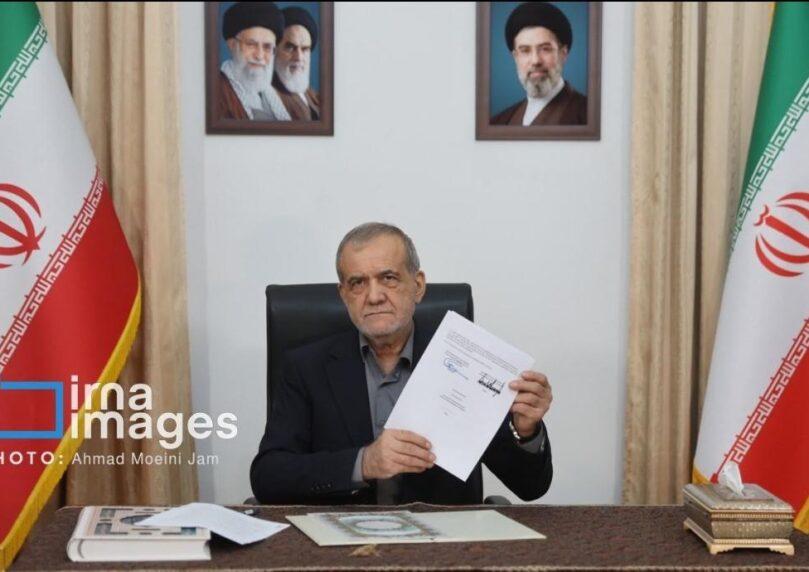
One of the most intriguing points in Amrani’s analysis concerns the internal power struggles within Iran. While President Masoud Pezeshkian was sent to sign the understandings, the Revolutionary Guards and Supreme Leader Khamenei are keeping their distance to avoid being seen as compromising. “They want to pin responsibility on him for things the Revolutionary Guards and the Supreme Leader don’t want to take on themselves,” Amrani says. “They’re sending him to sign, and like with Ahmadinejad back in the day, in a few years they’ll just say ‘he signed it, not us.'”
 2+
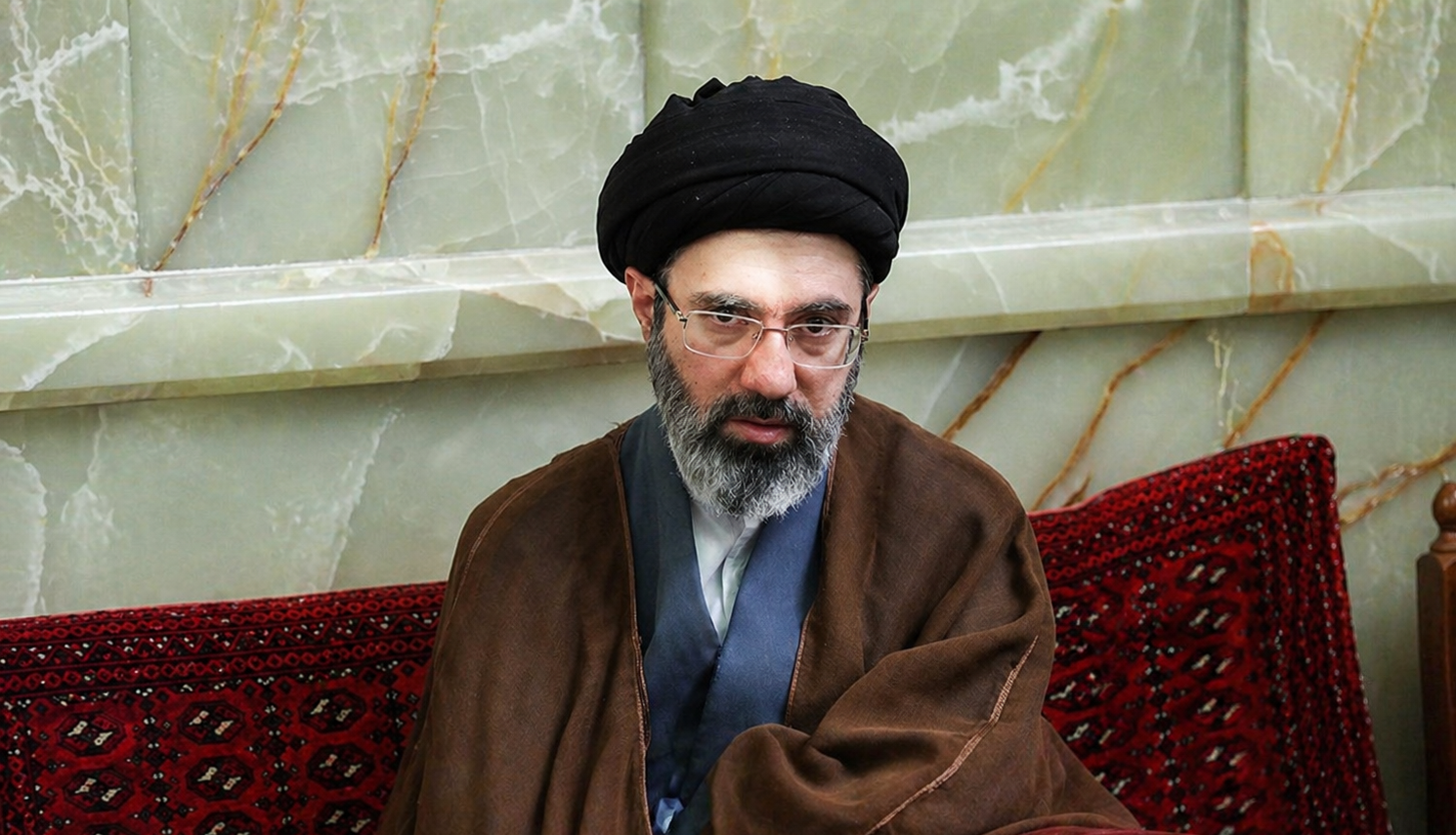
On the other side stands the “hard core” of regime supporters unwilling to hear about compromises. According to Amrani, these are supporters demanding “revenge for the killing of the leader.” This gap forces the regime to play a double game: signing memorandums of understanding to pump oxygen into the sputtering economy, alongside sweeping denials to the radical public at home.
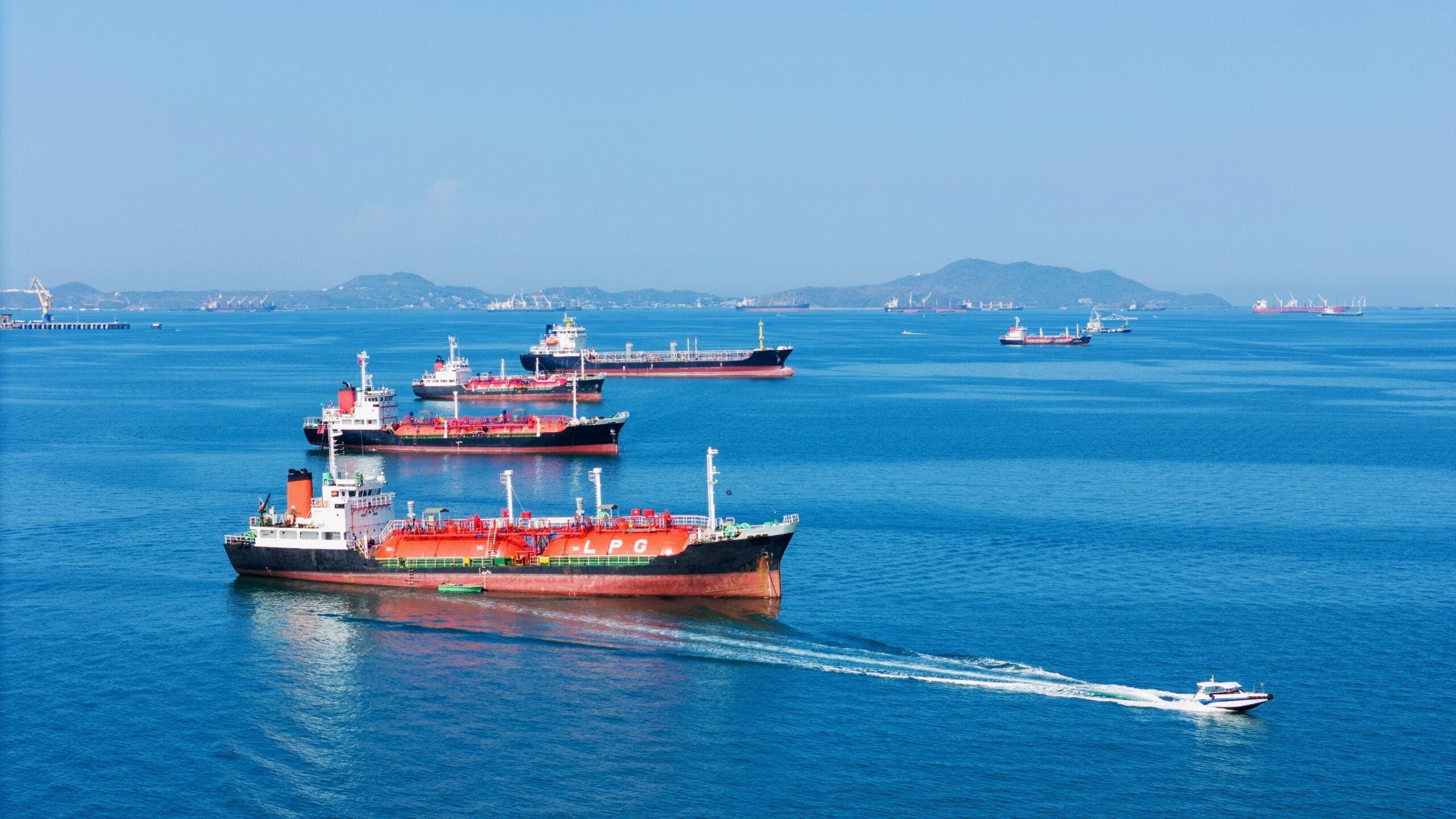
Regarding the Strait of Hormuz issue, Amrani identifies a familiar Iranian pattern of deliberate instability. Despite reports of the strait reopening, he argues the reality is more complex: “We’ve learned that even when there’s a ceasefire, it’s not exactly a ceasefire—there’s always a ceasefire with fire.” He estimates Iran will continue playing the fine line between blocking and opening the strait, all depending on how tough the American response is.
 2+
Despite the opening of talks in Switzerland, Amrani remains skeptical about the possibility of a historic final agreement. He argues both sides are coming to the table from tactical needs—the Americans need quiet ahead of midterm elections, and the Iranians desperately need dollars. “The Iranians won’t give up their last card, enriched uranium,” he concludes, “and the Americans know that at the end of the day, a final agreement won’t be signed.”