


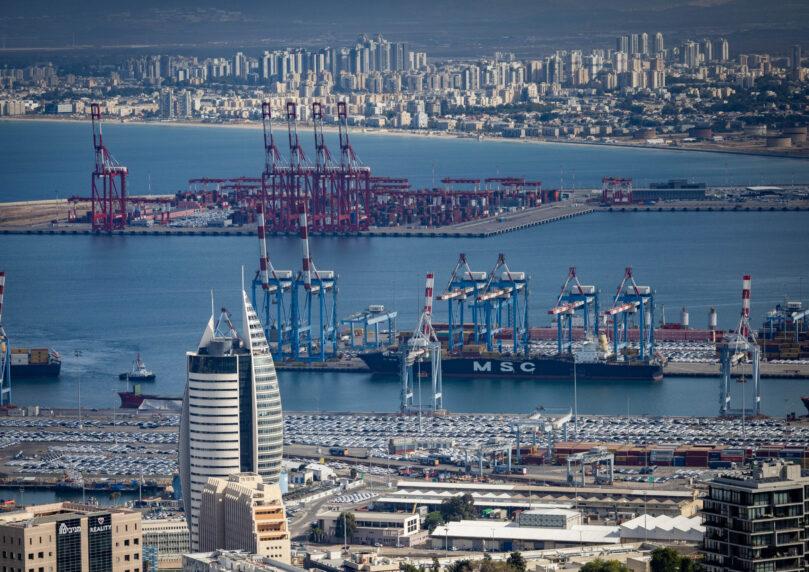

The war with Iran and fears of attacks on the Strait of Hormuz have shown just how vulnerable global supply chains are. One of the world’s busiest and most sensitive shipping routes can, in a moment of escalation, impact energy prices, fuel availability, and the economic stability of many nations. When a significant portion of global energy trade passes through a single maritime chokepoint, the world needs alternatives.
 4+
4+Not theoretical alternatives, but real, overland, controlled, and secure supply routes. Within this reality, the establishment of a new refinery port in Haifa Bay and the move to create an overland refinery corridor from the Gulf states to Europe through Israel are far more than an infrastructure project. They’re a strategic opportunity to position Israel in a new place on the regional and international energy map.
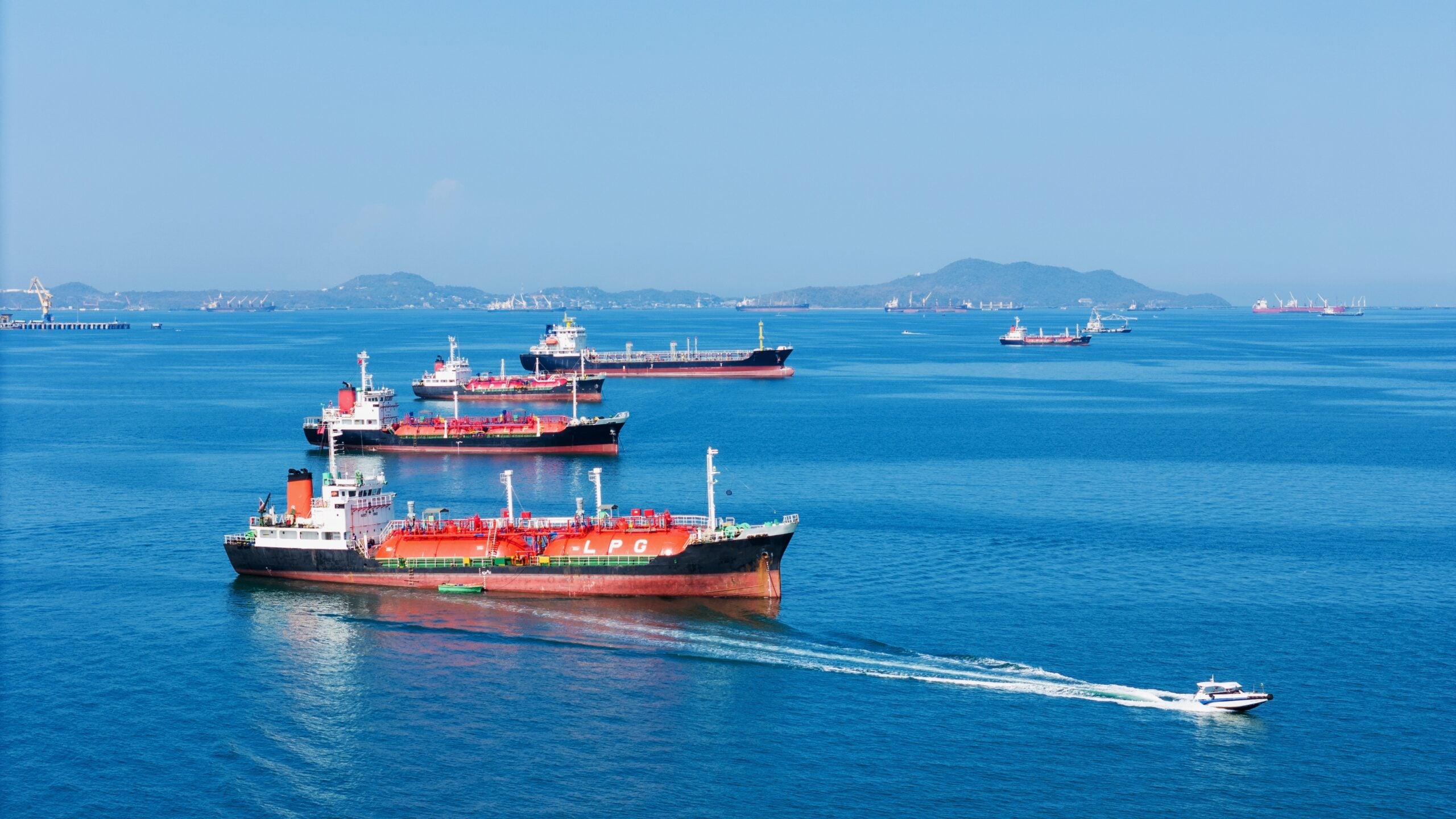
This is exactly where infrastructure becomes strategic leverage. An overland refinery corridor, with a planned length of about 1,500 kilometers, could enable continuous transport of refined fuels from the Persian Gulf to Israel, and from there to Europe. Instead of relying solely on threatened sea routes, an additional supply chain would be created—overland and logistical—connecting energy producers in the Gulf with markets in Europe, which have been grappling in recent years with persistent shortages of refined products, primarily diesel and jet fuel.
 4+
4+This is a move far broader than establishing a pipeline. It’s an entire regional energy system. At its core will stand Haifa Bay, expected to become a regional hub for refined products, with an advanced port, storage facilities, blending systems to adapt refined products to European standards, and international trading and distribution platforms. The significance is that Israel won’t just be a transit point, but an operational, logistical, and commercial center of international importance.
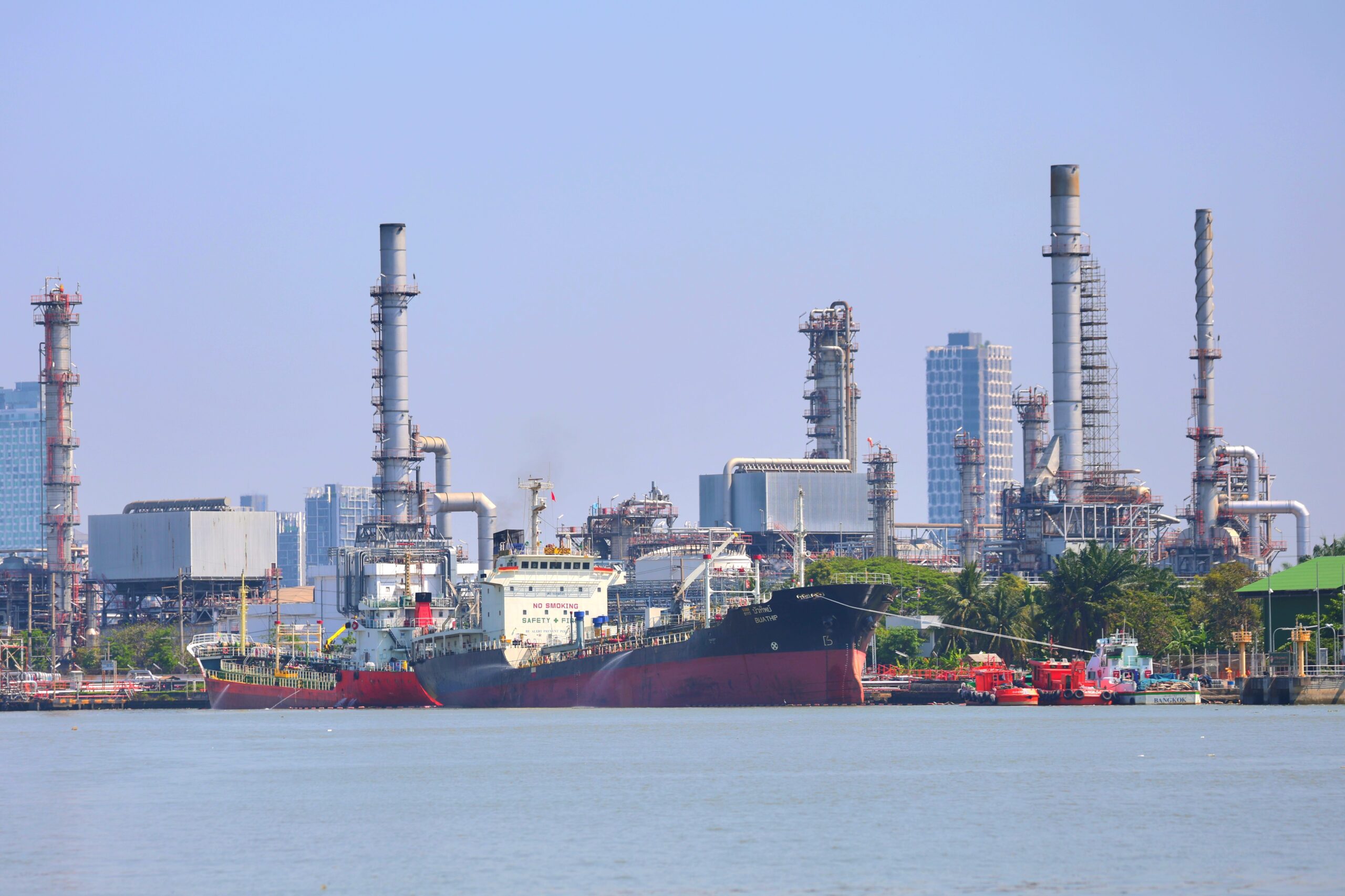
The new refinery port is a central component of this vision. It enables the reception of giant international tankers, unloading of diesel, gasoline, jet fuel, and heavy fuel oil using advanced systems, and channeling the refined products into the national distribution network and storage farms across the country. From there the energy reaches airports, power plants, transportation, industry, and all of Israel’s energy consumers. This creates a continuous, secured, and controlled supply chain that strengthens the functional continuity of the economy in routine times and emergencies.
 4+
4+The model under which the infrastructure will operate is no less important than the infrastructure itself. Operating the system under an Open Access model will enable equal access for a variety of suppliers and customers, increase competition, reduce barriers, and contribute to energy market stability. When national infrastructure is built in an open, efficient, and fair manner, it doesn’t serve just one entity or narrow interest, but the entire economy and the state’s ability to manage its energy security independently and responsibly.
For Israel, this is a double blessing. First, strengthening national energy security. The refinery port and overland corridor will increase the economy’s operational flexibility, strengthen reception and storage capacity, and enable better response to routine and emergency situations. Second, it’s a geo-strategic lever. Israel can transform from an end consumer to a central link in the energy chain between the Gulf and Europe.

The move also fits into a broader vision of regional and international connectivity, similar to the spirit of the IMEC initiative seeking to connect India, the Middle East, and Europe through trade corridors, infrastructure, and energy. Within this framework, Israel has the ability to become an anchor point: a country relatively small in area, but with a unique geographic location, advanced engineering capabilities, and proven experience in operating critical energy systems.
Energy Infrastructure Company (TASHA) brings to this project decades of experience in planning, establishing, and operating national fuel infrastructure. We operate hundreds of kilometers of pipelines, strategic storage facilities, and control systems that function continuously, in routine times and emergencies. The current challenge is even greater: not just to operate existing infrastructure, but to build a new regional system that connects energy security, competition, innovation, and international cooperation.
The refinery port and overland corridor are an opportunity to look far ahead. Not just at tomorrow morning’s need, but at Israel’s place in the coming decades. In a world where energy routes are becoming more vulnerable, whoever can offer a secure, stable, and efficient route holds a strategic asset of the first order.
This is the promise of the move: Israel can be not just a country that defends its own energy security, but a country that provides a regional energy solution. Not just a gateway for refined products, but a bridge between the Gulf and Europe. Not just a new port, but a foundation for Israel’s new status as a regional energy infrastructure power.