


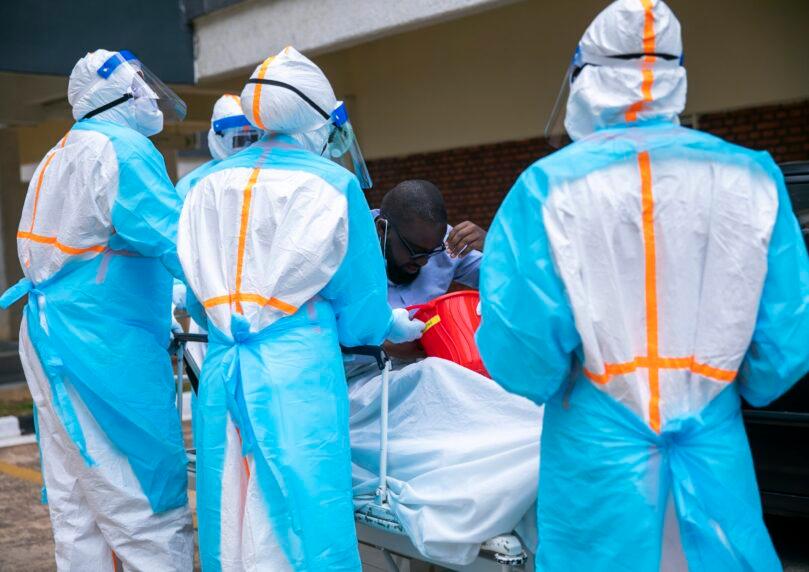

Israel’s Health Ministry reported a second suspected Ebola case in a person who recently returned from the Democratic Republic of Congo. The individual, who arrived in Israel two days ago, sought medical treatment after developing fever, headache, and diarrhea. At this stage, it’s only a suspected case—testing is underway and results are expected in the coming days.
The patient is being treated in isolation according to protocols for high-risk infectious diseases and has been transferred to Sheba Medical Center in Tel Hashomer, designated as one of the specialized centers for handling such suspected cases.

The Health Ministry is completing its epidemiological investigation to identify relevant contacts and examine possible connections between the cases. Once complete, the ministry will proactively reach out to individuals deemed relevant based on risk assessment. Contact tracing follows medical protocols to ensure targeted and accurate outreach to only those who need it.
Anyone who doesn’t receive contact from the Health Ministry is not required to take any action at this stage. The ministry emphasizes that Ebola is not airborne—transmission occurs through direct contact with a symptomatic patient or with blood, bodily fluids, or secretions.
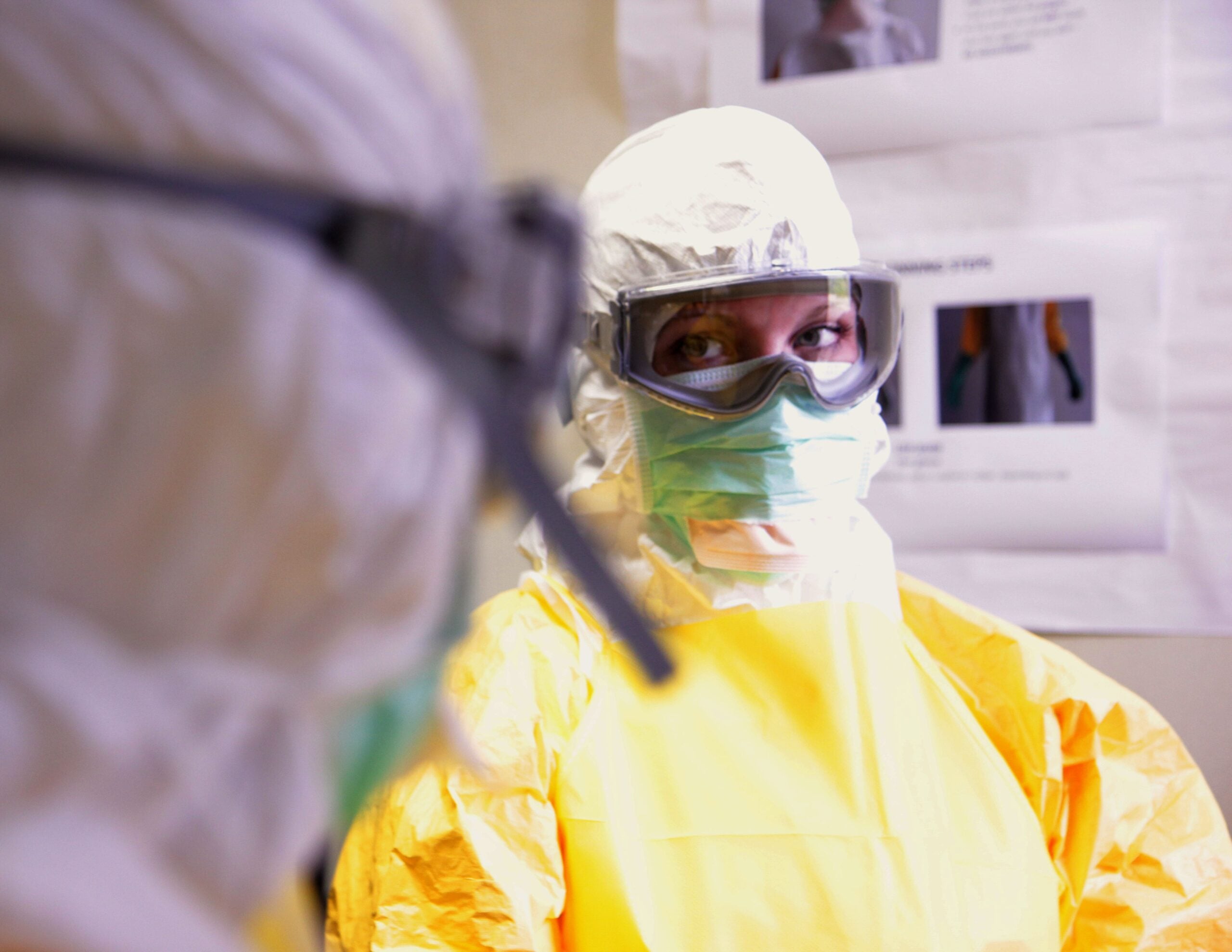
To investigate the suspected case, a sequence of laboratory tests is being conducted according to medical protocols standard in Israel and internationally. In recent months, since the Ebola outbreak in the Democratic Republic of Congo and Uganda, the Health Ministry has been continuously monitoring global developments and maintaining systematic preparedness to ensure the health system is optimally ready for any possible scenario.
As part of this preparedness, professional guidelines have been distributed to medical teams and relevant hospitals for handling suspected cases. Additionally, the ministry has completed procurement of protective equipment and specialized gear, established early detection mechanisms for travelers returning from outbreak areas, and set up a laboratory system for identifying Ebola cases.

The Health Ministry is again urging the public to avoid non-essential travel to areas with active Ebola outbreaks, primarily the Democratic Republic of Congo and Uganda. In case of travel to these areas, it’s recommended to receive personalized consultation at a travelers’ clinic, according to guidelines on the Health Ministry website.
Travelers who have returned from the Democratic Republic of Congo or Uganda—particularly from areas with active outbreaks—and develop fever or unusual symptoms within 21 days of their return are asked to stay home, avoid contact with others, and call the Health Ministry’s Kol Habriut hotline at *5400. It’s important to mention during the call that you were in an area with Ebola cases.
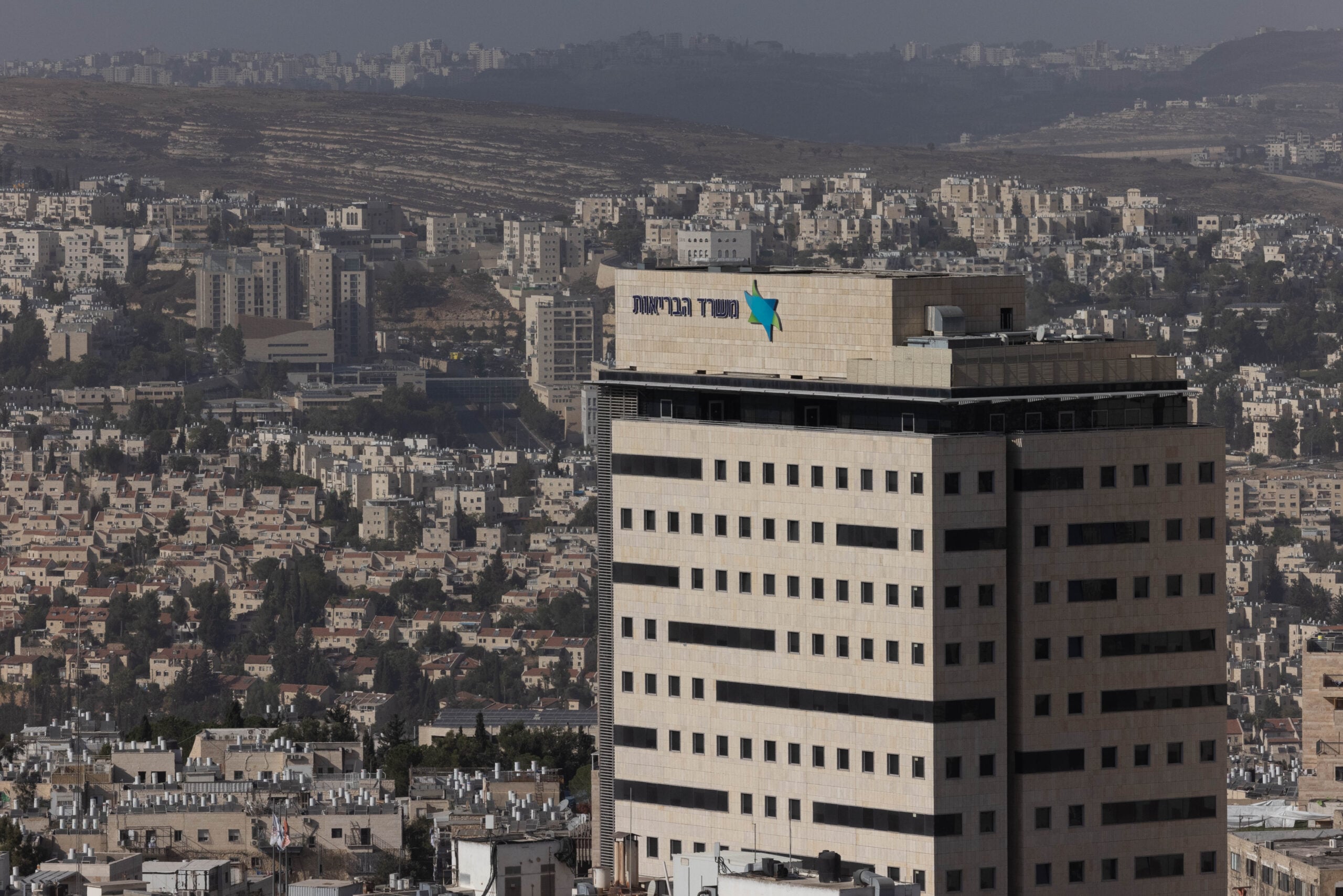
The Health Ministry stresses that as of now, these are only two suspected cases, and no confirmed Ebola case has been diagnosed in Israel. The ministry will continue to update the public and medical teams as needed.