


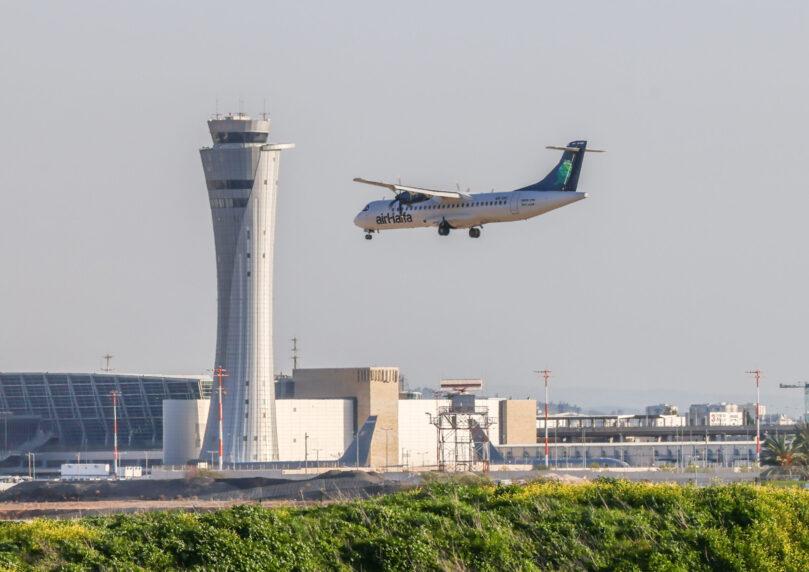

Despite steps being taken to ease the parking crisis at Ben Gurion Airport, aviation industry officials warn the crisis is far from resolved—and the consequences for travelers this summer could be dramatic. If no solution is found in the coming days, roughly 100,000 flight tickets could be pulled from the market.

 2+
2+As part of the effort to free up aircraft parking spaces, about 20 planes are expected to leave Ben Gurion tomorrow (Sunday) and be transferred to other bases. The move is designed to ease the unusual congestion at the airport, but industry sources and Israel Airports Authority officials say it’s only a partial solution. According to estimates, operating the planned summer flight schedule without cancellations requires about 80 aircraft parking spots. Even after tomorrow’s planned aircraft relocation, the number of available parking spaces is expected to reach only about 65—a gap of roughly 15 spots still missing from the system.
Because of this, the Israel Airports Authority is expected to hold a critical discussion and situation assessment tomorrow, examining the possibility of reducing summer flight operations. One option on the table is directing Israeli and foreign airlines to cut back their planned activity—a move that could lead to the cancellation of roughly 100,000 tickets already planned for the busy season.
 2+
2+Still, industry sources estimate the final decision may be delayed several more days to allow all possible alternatives to be exhausted and to try to find a solution that avoids harming passengers and airlines. Meanwhile, Transportation Minister Miri Regev is working with all relevant parties to expand the aircraft evacuation from Ben Gurion and transfer additional planes to Air Force bases. The goal is to clear as many parking areas as possible for active aircraft and enable the airport to handle the expected summer congestion.
 2+
2+The issue takes on added urgency now, as more foreign airlines prepare to resume flights to Israel and passenger traffic at Ben Gurion continues to recover. Industry officials warn that without a significant addition of aircraft parking spaces, it will be very difficult to absorb the expected growth in traffic and operate the full flight schedule planned for summer 2026. For now, all eyes in the aviation industry are on tomorrow’s discussions. The decisions made in the coming days could determine whether the approaching summer passes without major disruptions or brings a wave of cancellations affecting tens of thousands of passengers.