


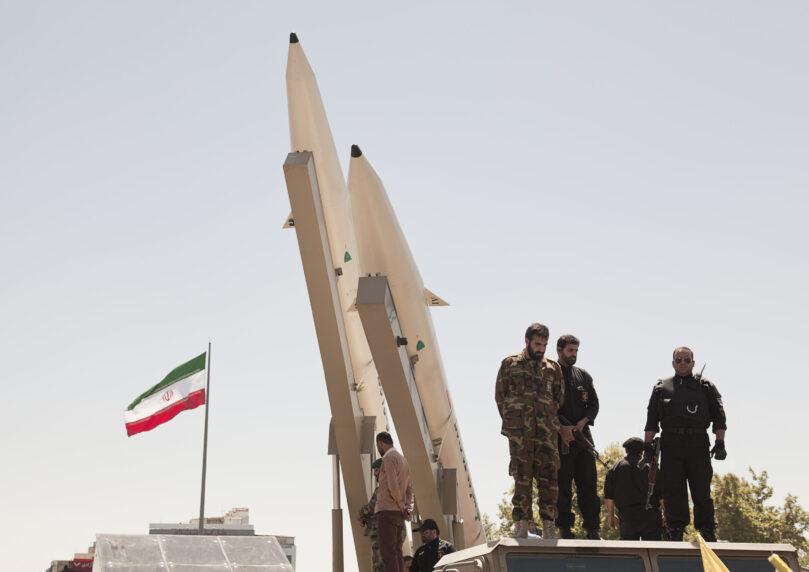

Iran’s Revolutionary Guards have built a network of secret cells on Iraqi soil designed to strike Gulf states hosting American forces, Reuters reported today (Friday), citing eight Iraqi sources. The cells allow Iran to maintain strike capability while bypassing known militia networks—avoiding the trail that would trigger retaliation.


 2+
The network consists of three or four cells, each with about 10 elite Shiite fighters. The fighters were recruited from the Islamic Resistance in Iraq but operate outside its command structure, reporting directly to the Revolutionary Guards. Between April 20 and May 17, these cells launched at least seven drone attacks from desert areas near Basra and Samawah.
Targets and Bases
Sources said the strikes targeted several sites, including Ali al-Salem Air Base in Kuwait, which hosts American forces, and a military terminal at Kuwait International Airport. Additional strikes against Saudi Arabia and the United Arab Emirates were intercepted, and their specific targets weren’t reported. Evidence of the attacks comes from a combination of human intelligence, communications intercepts, and field findings.
 2+
Experts say the move reflects Iran’s position after the war, which severely damaged its regional alliance network—from Hamas’s collapse in Gaza to Hezbollah’s battering in Lebanon to the fall of Assad’s regime in Syria last December, which cut vital supply routes. “The new groups appear smaller, more ideological and zealous, and tightly controlled,” explained Jassem al-Bahadli, a retired Iraqi general.
Challenge for Iraq’s New Government
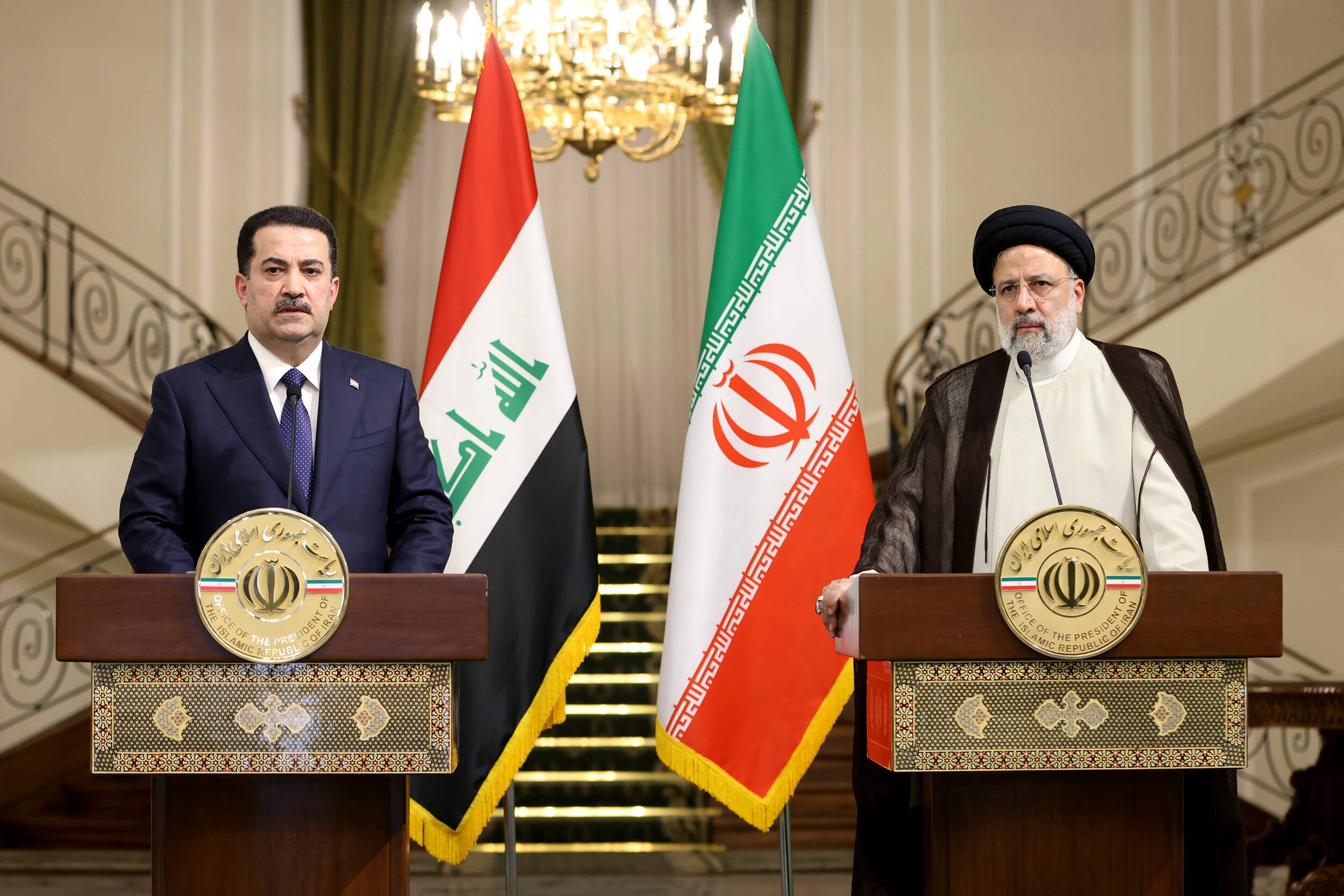
The cells pose a serious challenge for Iraq’s new Prime Minister Ali al-Zaidi. While powerful Shiite militias like Asaib Ahl al-Haq have begun disarming to avoid escalation with the American administration, the new cells operating under direct Iranian sponsorship threaten to derail Baghdad’s efforts to repair relations with Gulf states.
 2+
The U.S. administration has repeated its demand that the Iraqi government dismantle all terror tools operating on its soil. Meanwhile, while the interim agreement signed this week between the U.S. and Iran addresses ending the war, Iranian officials made clear: Tehran’s support for “resistance groups” is not up for negotiation.