


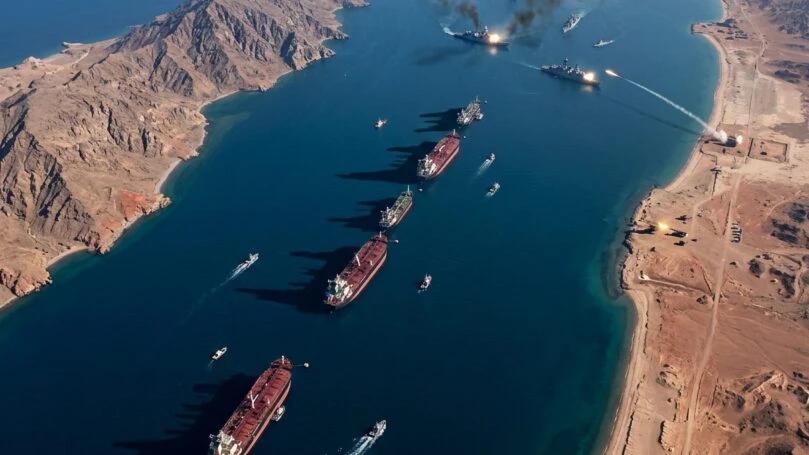

US Central Command announced this evening (Thursday) that its forces have concluded enforcement of the military blockade on Iranian maritime traffic. The decision, made following a presidential directive, marks a fundamental shift in US operational policy in the region, as the purpose of the American naval presence now shifts from active enforcement to monitoring the parties’ compliance with the agreement.

 4+
4+In CENTCOM’s official statement, it was reported that “American forces have lifted the blockade on all maritime traffic entering and exiting Iranian ports and coastal areas.” The Command further emphasized that effective today, “American forces are not detaining the passage of vessels to or from Iranian ports in the Arabian Gulf and the Gulf of Oman.”
Alongside the decision to halt the blockade, it was clarified that the United States is not withdrawing entirely from the region. Central Command noted that “our major Navy ships will remain in the general area to ensure that all aspects of the agreement are fully maintained, observed, and acted upon.”
 4+
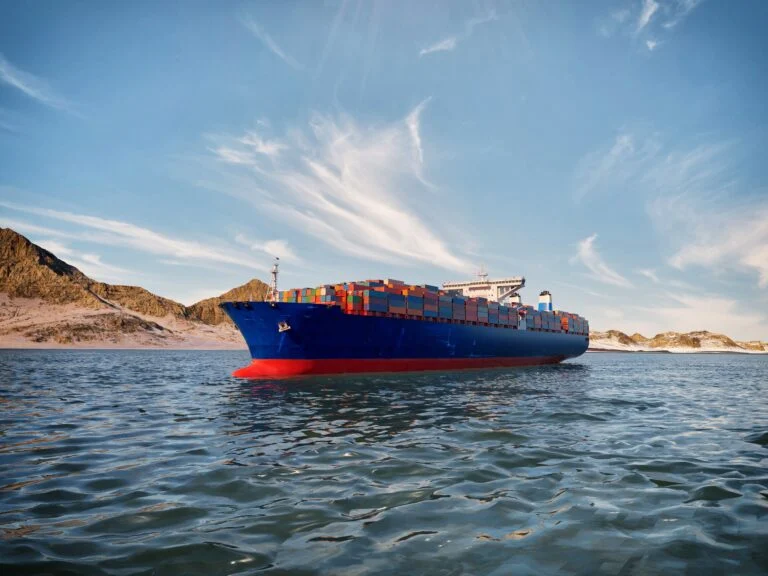
4+The lifting of the naval blockade represents a significant step in relations between the United States and Iran and comes against the backdrop of new understandings between the sides. Military enforcement efforts, which previously included detaining and preventing the passage of ships in key shipping lanes in the region, were halted as part of the implementation of the signed Memorandum of Understandings (MoU).
The naval blockade, which was imposed following Iran’s closure of the Strait of Hormuz on February 28, 2026, exacted a heavy toll on the Iranian economy. According to American estimates and international sources, Iran suffered a direct loss of oil revenues amounting to approximately $400 to $500 million per day, leading to a cumulative loss of billions of dollars by May 2026.
 4+
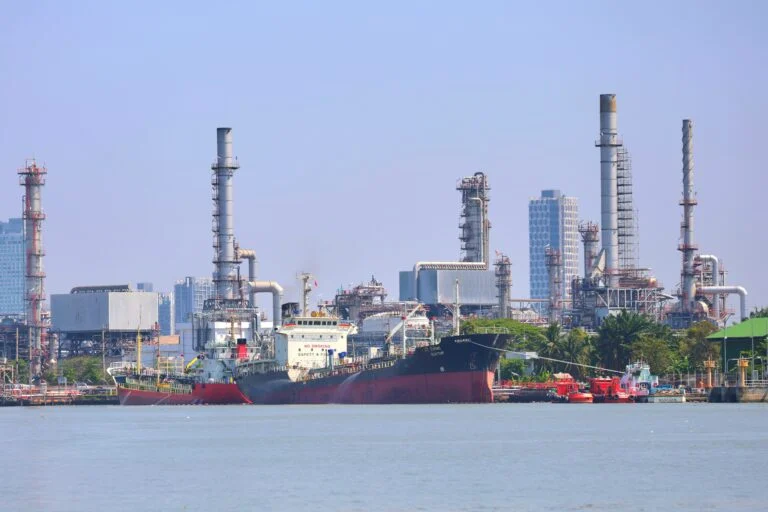
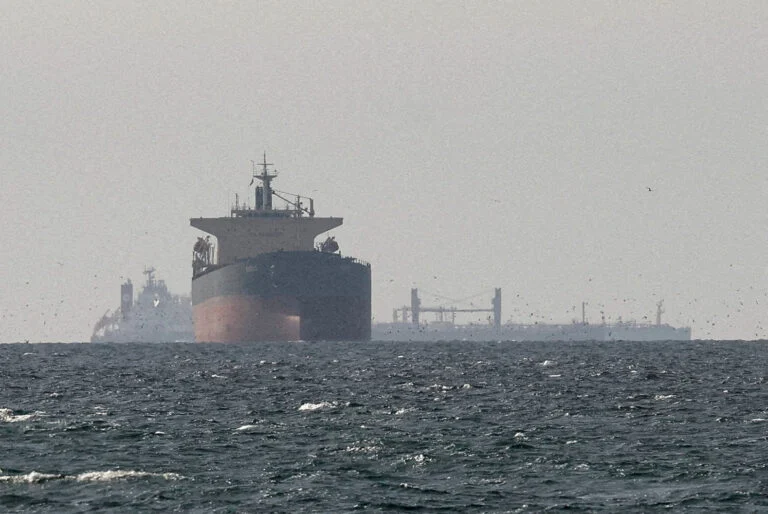
4+Since oil accounts for roughly 25% to 40% of government revenue, the blockade dealt a severe economic blow that led to a 10% to 15% contraction in Gross Domestic Product (GDP). In addition to the direct impact on exports, dozens of tankers were stranded, leading to the shutdown of oil infrastructure. This occurred alongside skyrocketing inflation, the collapse of the Rial’s value, and severe damage to hundreds of thousands of jobs in the energy and logistics industries—pressures that ultimately contributed to accelerating the negotiations that led to the June agreement.
As stated, the United States and Iran signed the Memorandum of Understandings tonight, which was published earlier in the day, according to Iranian Foreign Ministry Spokesman Esmaeil Baghaei. Despite assessments that an official signing ceremony would take place in Switzerland, the signing was apparently conducted digitally. The 60-day negotiation phase will begin only after a portion of Iran’s frozen assets are unfrozen.
 4+
4+Prior to the signing, the White House published the full text of the Memorandum of Understandings signed between the United States and the Islamic Republic of Iran. The document, which includes 14 clauses, establishes that an immediate and permanent ceasefire will take place between the parties across all fronts—including Lebanon—and that negotiations for a permanent agreement will open within 60 days.
 4+
4+Additionally, the MoU includes an American commitment to lift sanctions and provide extensive economic relief, alongside a renewed and vague Iranian declaration that it will not develop nuclear weapons. Furthermore, and contrary to American denials: the document also includes an economic reconstruction plan valued at at least $300 billion to be granted to Iran.