


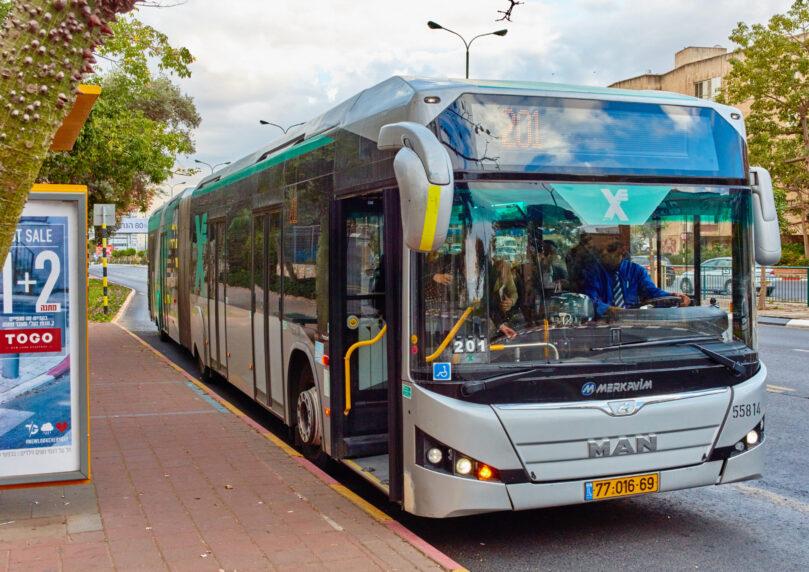

Millions of public transit riders in Israel won’t be paying more in the coming year. The Ministry of Transport and Road Safety announced Thursday it’s postponing the public transit fare update that was set to take effect July 1.

 2+
2+The decision means the price hike planned under the automatic fare adjustment mechanism won’t happen for now. The move was coordinated between the Ministry of Transport and Road Safety and the Finance Ministry, and will affect millions of daily riders who use buses, trains, light rail, and other public transit across the country.
The price freeze comes after a prolonged period of rising prices across the economy. In recent years, public transit fares have been updated multiple times following the existing indexation mechanism. For many riders—especially families, students, workers, and seniors who rely on public transit regularly—the savings could add up to hundreds of shekels a year.
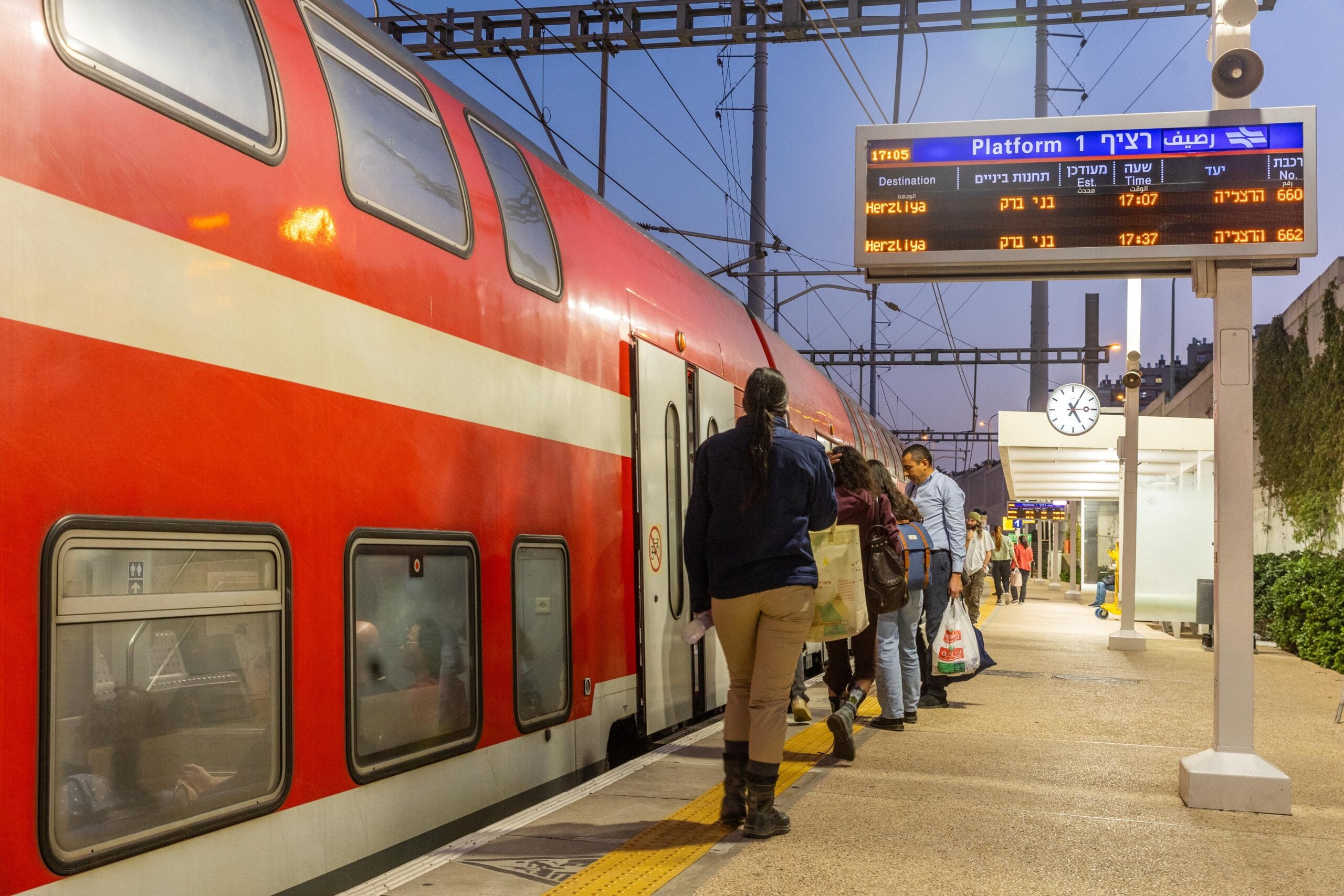 2+
2+But beyond postponing the immediate hike, the Transportation Ministry is eyeing a broader goal: changing the price adjustment mechanism itself. Currently, public transit fares are indexed to various economic indicators, so increases in operating costs or relevant indices can trigger automatic fare updates. The Transportation Ministry is working with the Finance Ministry to examine canceling the automatic indexation mechanism, aiming to prevent a situation where fares rise periodically without a dedicated government decision.
If the move is advanced and approved, it could change how public transit fares are set in Israel in the coming years and give riders much greater certainty about travel costs.
Alongside the price freeze, the government continues advancing public transit discount reforms that provide various populations with discounts and benefits on travel. The Ministry of Transport and Road Safety says the goal is to keep public transit accessible and available to the general public while continuing to invest in infrastructure and service expansion.
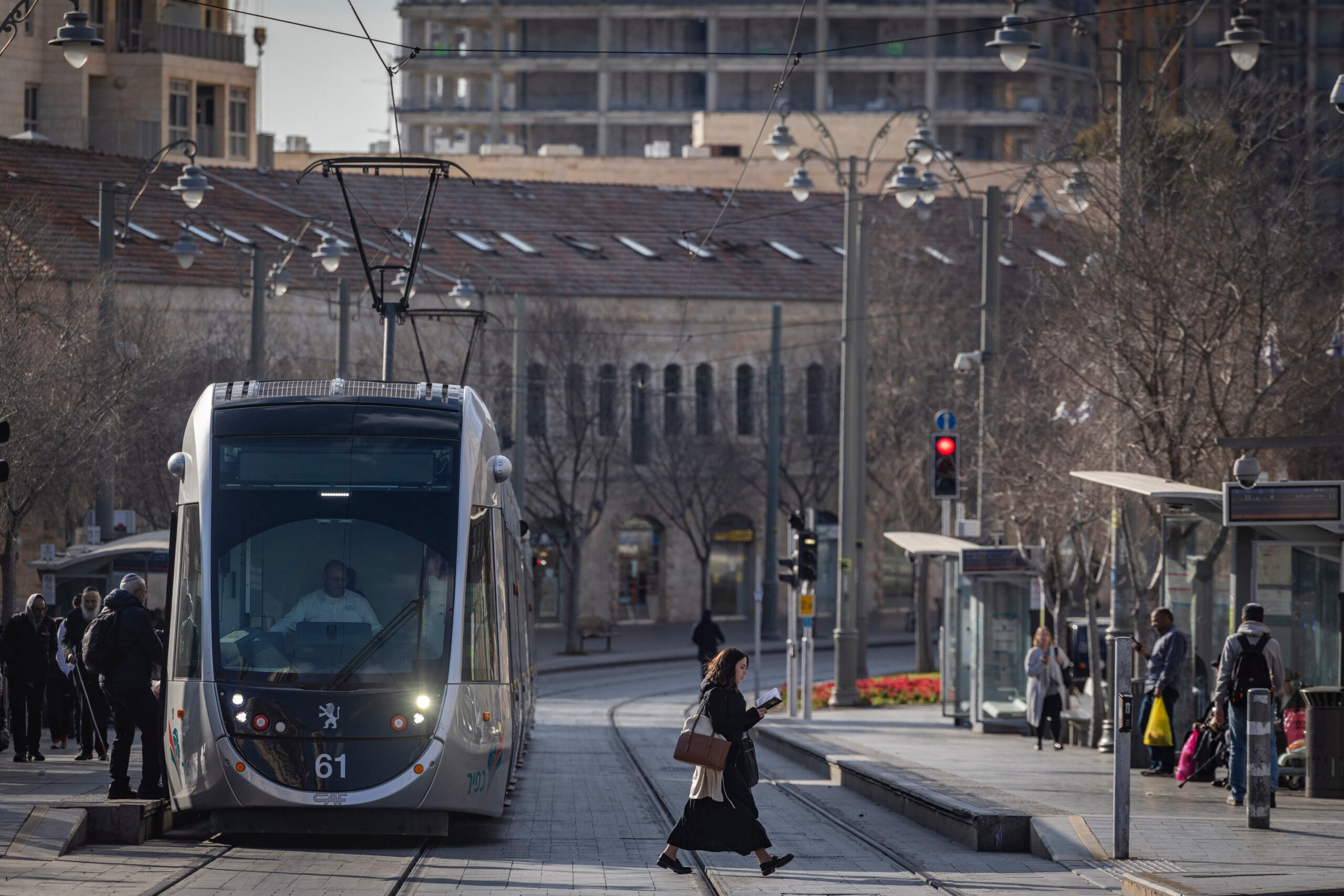 2+
2+Now, after publishing the draft for public comment, the move is expected to go through the required procedures before taking effect officially. If nothing changes, public transit riders will continue paying the same fares at least through the end of 2026.