


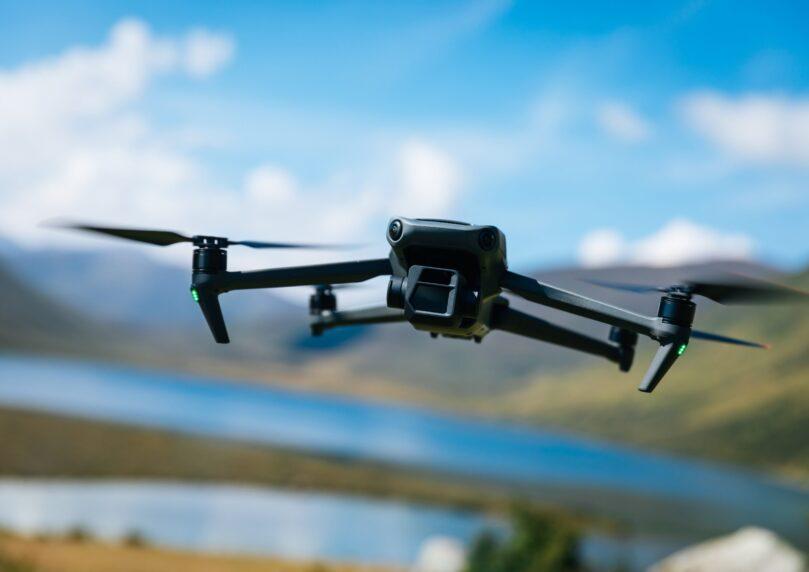

Ukraine has begun integrating artificial intelligence networks as part of a technological revolution to defeat Russian ‘Shahed’ drones. In the early stages of the war, Ukraine relied on heavy machine guns, electronic warfare, and missiles. Last August, the military started deploying human-guided interceptor drones. Drone manufacturer SkyFall reports dozens of AI-guided attacks since November, out of thousands of interceptions, according to a report published Wednesday in The New York Times.

 3+
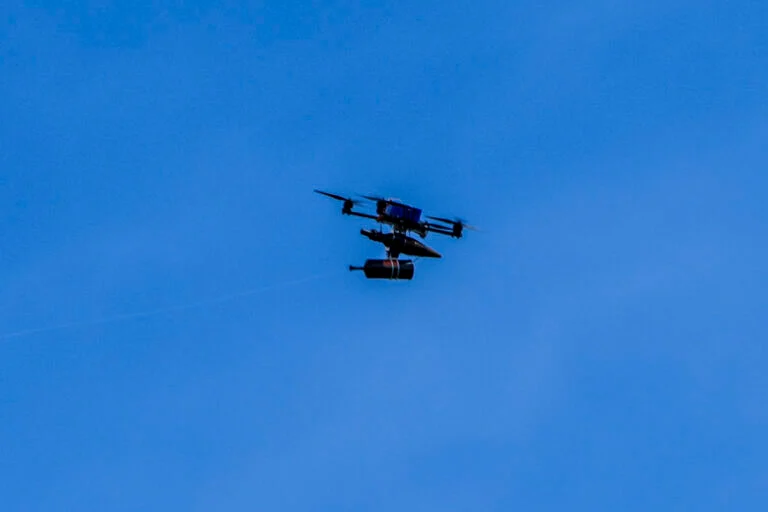
3+The technology includes interceptor drones and ground vehicles equipped with machine guns to identify FPV drones. The systems were trained on more than 10,000 interception videos provided by companies collaborating with Brave1. In a test in a pine forest in central Ukraine, the P1-Sun Long drone identified a replica of a Russian drone before the operator did, marked it with a green square on the screen, and guided the operator to lock onto it and destroy it.
The need for the technology is twofold: military and strategic. Ukraine suffers from manpower shortages and uses these drones as an alternative to expensive missile systems. Ukraine is offering the drones as an alternative to the measures used by the U.S. and Israel against Iran.
 3+
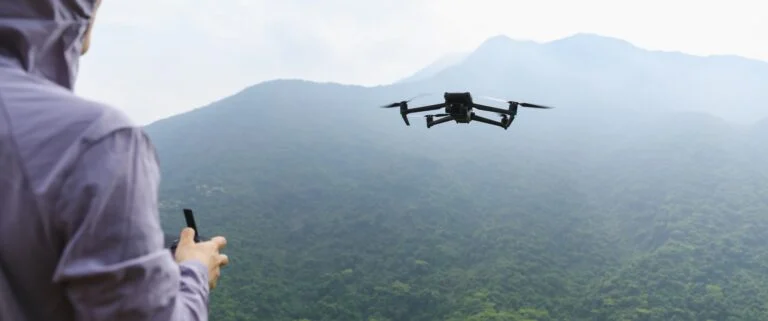
3+President Zelensky is trying to leverage the technology to secure Western defense systems and sign security deals with Gulf states. Ukraine aspires to become a defense exporter. In a speech at the UN in September, Zelensky warned that once the technology becomes cheap and accessible, it will spread rapidly to cartels and terrorist groups. This is a global threat from which no one is protected.
According to experts, the central challenge is the human factor and the ethical dilemma. The work requires skilled operators working 24/7. Training the system requires enormous effort due to a shortage of dummy targets for practice. The forest tests included identifying ground targets like a green minibus and sensitive experiments with humans.
 3+
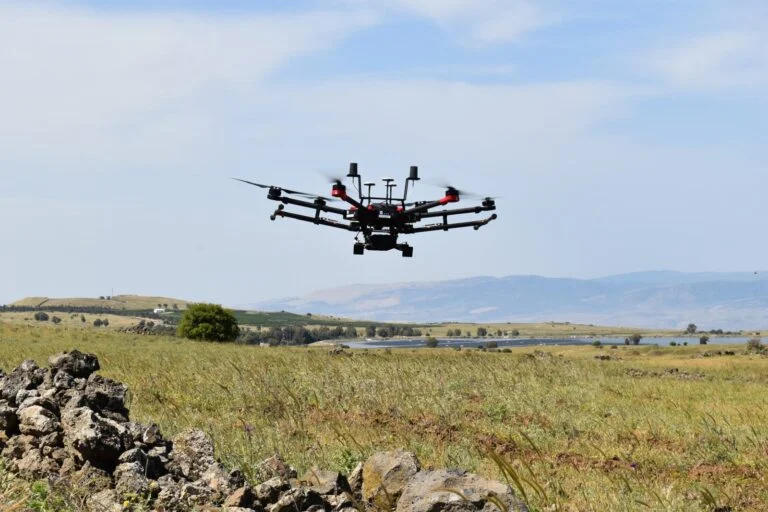
3+The system identified and locked onto a team member nicknamed “Forest.” SkyFall’s development team watched the results on screen. The developers ate sandwiches and cookies. The developers emphasize that the barrier is ethical only. The technology to carry out an autonomous attack without human touch exists. MaXon’s system automates about 95% of the interception process and requires nothing more than operator approval to execute the kill.
SkyFall can produce 50,000 interceptor drones per month. The biggest challenge is training skilled pilots. Developing large-scale autonomous systems is critical to Ukraine’s defense and its aspiration to become a defense exporter.
 3+
3+The systems allow one pilot to oversee multiple missions simultaneously instead of one mission. This helps Ukraine’s reduced military. The war is advancing faster than human ability to regulate it. Zelensky declared: “It’s only a matter of time—not much time—before drones fight drones and attack infrastructure or target people themselves.”