




The global debate over using artificial intelligence in combat took a sharp turn today (Wednesday) after official court documents filed in the United States revealed that Grok, an AI system developed by Elon Musk’s xAI, was used by the War Department during military operations against Iran.
According to a declaration filed by Cameron Stanley, head of digital and artificial intelligence at the Pentagon, the system played a central role in supporting operational activity. Using the system, more than 2,000 munitions were launched at roughly 2,000 different targets within just 96 hours, he said. Stanley emphasized that the system’s continued operation is “a matter of paramount importance to national security” for the United States.
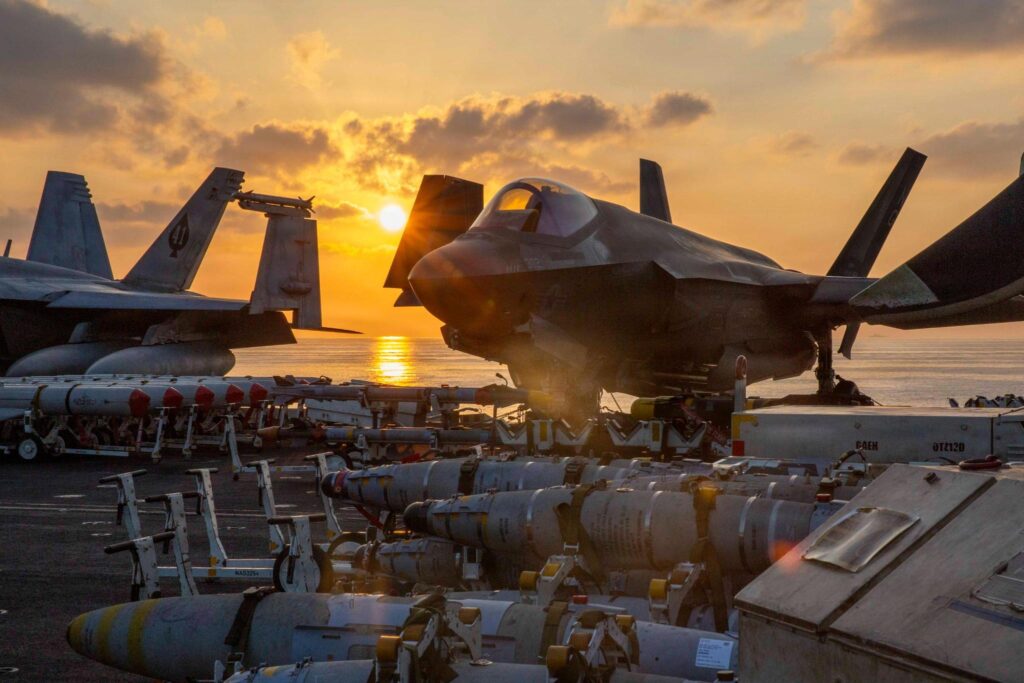

The document was filed as part of legal proceedings unrelated to the Iran war—a lawsuit against xAI claiming its data centers pollute residential areas. Still, the detailed reference to military use of the system provided a rare glimpse into how advanced AI tools are now integrated into American security systems.
The Pentagon claims Grok is one of only four AI models currently capable of supporting national security missions, and one of just three that can operate in highly classified environments. According to defense officials, the system helps analyze massive amounts of information quickly and enables decision-makers to get a broad, updated picture of the situation.

The disclosure comes amid sharp criticism of AI use in warfare. According to the report, American researchers are examining a strike carried out at a girls’ school in the Iranian city of Minab, where at least 175 people were killed, most of them children. Human rights organizations and military analysts say it’s one of the most serious civilian casualty incidents since the campaign against Iran began.
Experts have raised the possibility that integrating AI systems into target selection, combined with human errors in checking intelligence data and operational maps, may have contributed to failures that led to civilian casualties. The Pentagon stresses that the systems don’t make autonomous strike decisions, but rather assist in collecting, analyzing and presenting information for human decision-makers.
A central part of the American military AI apparatus is based on the “Maven” intelligence system, which analyzes massive amounts of visual and geographic information and helps identify points of interest for intelligence agencies. According to the documents, Grok was also integrated into this system as part of a dedicated product package developed for government agencies.

Meanwhile, a fierce political dispute is underway in the United States over using AI in combat. Democratic lawmakers are advancing bills designed to limit the use of such systems in situations involving decisions about human life. One proposal would require that the final decision to use lethal force always remain with a human commander, and would prohibit AI use in sensitive areas like nuclear weapons and autonomous weapons systems.
Proponents of continued system development argue that AI provides a significant advantage in identifying threats, processing intelligence and accelerating decision-making during war. Critics warn against growing reliance on algorithms in processes where a single mistake could cost human lives.