


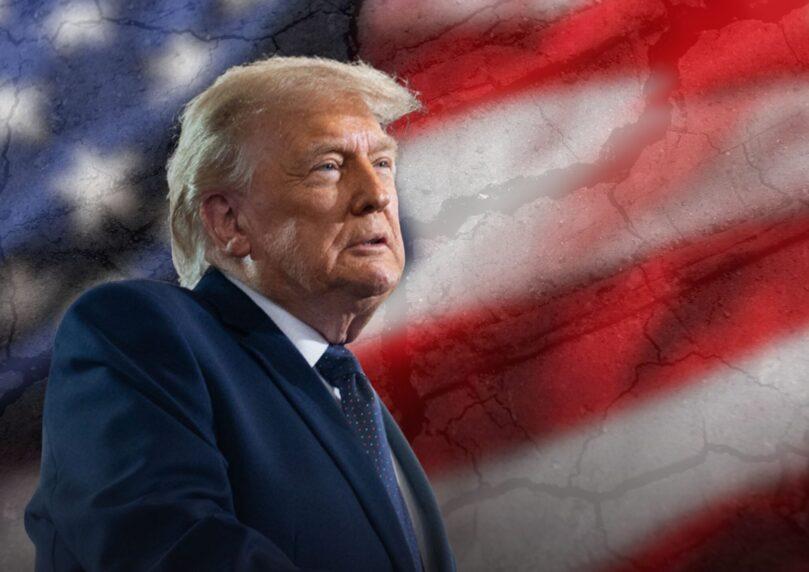

An unprecedented scandal is rocking the administration in Washington after the discovery that highly classified conversations held in the secure Situation Room were recorded and leaked to the New York Times. While Trump seethes over the exposure of details about the war with Iran, senior officials are anxious—they realize every sensitive word spoken in closed rooms could soon appear in an embarrassing new book. The Justice Department’s prolonged silence and inability to locate the leakers raises a troubling question: Does the president still have control over what happens inside the White House, or is the administration paralyzed by hostile forces from within? This was reported today (Tuesday) in the New York Post.
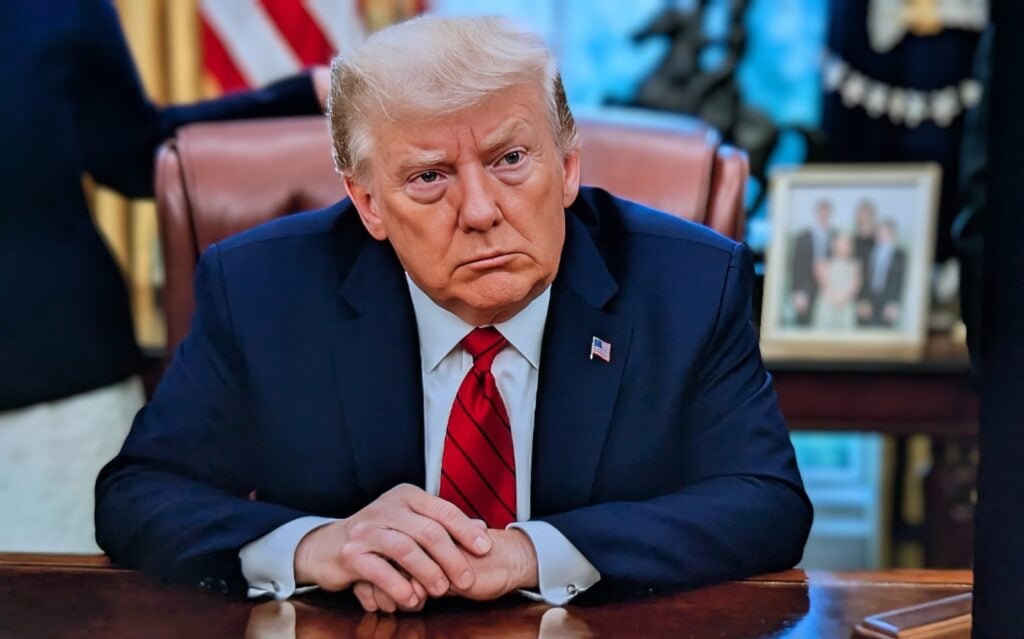
According to the reports, the information is based on three key Situation Room meetings. The first took place on July 17, 2025, with Vice President JD Vance, Chief of Staff Susie Wiles, and White House Counsel David Warrington in attendance. In that meeting, the situation was described as “a huge problem,” with the “Epstein files” affair also on the table—evidence of the administration’s attempts to navigate between internal political crises and external security crises.
The meetings dealing with Iran exposed embarrassing quotes from senior security officials. CIA Director John Ratcliffe called Netanyahu’s plan for “rapid regime change in Tehran” a “farce,” while Secretary of State Marco Rubio was quoted saying, “In other words, it’s bullshit.” Even Chairman of the Joint Chiefs of Staff General Dan Cain questioned the Israeli plans, telling Trump: “Sir, this is standard procedure for the Israelis. They’re selling an illusion.”
American commentator Michael Goodwin criticized the administration’s handling: “A situation where details about strategy vis-à-vis Iran are leaking demands a criminal investigation. The fact that not a word has been heard from the Justice Department so far, despite senior officials like Kash Patel being present at the meetings, is a stunning failure.”
According to Goodwin, the White House’s restraint may stem from a desire not to boost sales of the book “Regime Change,” but in doing so it abandons national security and delivers “a punch in the eye” to the president. He emphasizes that the book is published by Simon & Schuster alongside overtly anti-Trump books, indicating a clear bias against the administration.

The affair marks an escalation in tensions between the Trump administration and major U.S. media outlets. Goodwin emphasizes that the New York Times’ focus on Netanyahu’s war plans serves a narrative claiming Israel “misled” Trump—a narrative Goodwin condemns as having antisemitic undertones.
Beyond the immediate damage to national security, commentators warn the current crisis threatens the very stability of the administration. The loss of ability to maintain secrecy in the Situation Room raises hard questions about the president’s ability to control his own professional ranks.
In Washington, there are fears that the combination of daily leaks, the image of a chaotic administration, and the absence of an official investigation is turning the administration into a “lame duck.” If the administration fails to locate the leakers and restore trust with the security establishment and U.S. allies, the cumulative political damage could paralyze the president’s decision-making ability and irreversibly undermine his public standing.
The publications began back in April, when an article was published under the headline “How Trump Dragged the U.S. into War with Iran.” The article described in minute detail the meetings between Netanyahu and Trump. The administration, oddly, did not deny any of the quotes or details—leading to assessments that the leakers are at the highest levels. The current situation exposes the deep polarization within the American security and government systems, where professional ranks feel comfortable leaking classified materials to serve a media narrative against the president.