


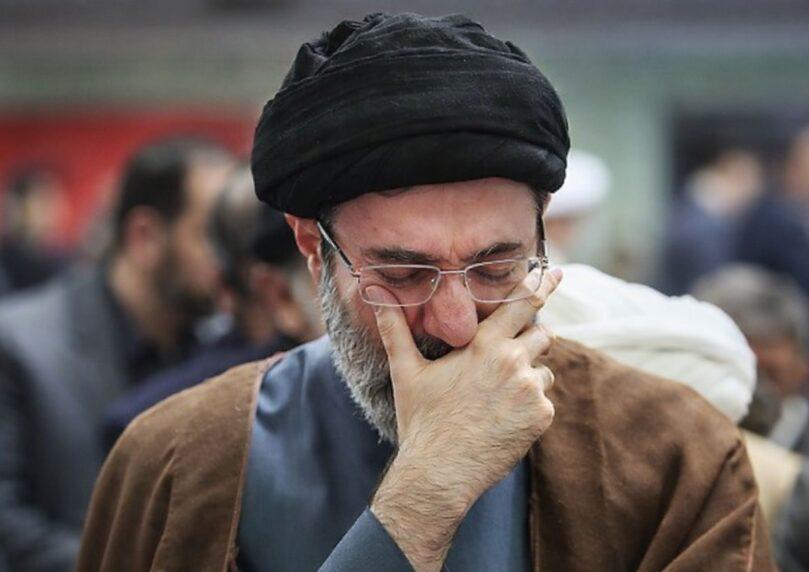

Iran is in the midst of a sensitive transition at the top of its power structure, and the regime is responding with a sweeping symbolic campaign aimed at ensuring the revolution’s continuity under the leadership of Mojtaba Khamenei. The government is presenting the transfer of power as a harmonious passing of a “sacred trust,” but international experts warn this is a survival move by a regime that fears internal instability and is trying to frame obedience as a supreme religious and national value.

Iran’s political establishment is projecting a message of strength and control. A series of symbolic posts on the social media platform X, published by Iran’s foreign minister and other senior officials, emphasizes the regime’s commitment to the principles of the revolution under the leadership of the new Supreme Leader, Mojtaba Khamenei. This online activity, accompanied by religious imagery and theories about the “sanctity of power,” is designed to silence any sparks of opposition or doubts about the legitimacy of the leadership transition in the country, Fox News reported today (Wednesday).
The messages published this week, led by a post from Kazem Gharibabadi, the Iranian Deputy Foreign Minister for Legal and International Affairs, are not coincidental. They are part of Iran’s coordinated strategy to present the transfer of power as a spiritual mandate, not a fragile political process.
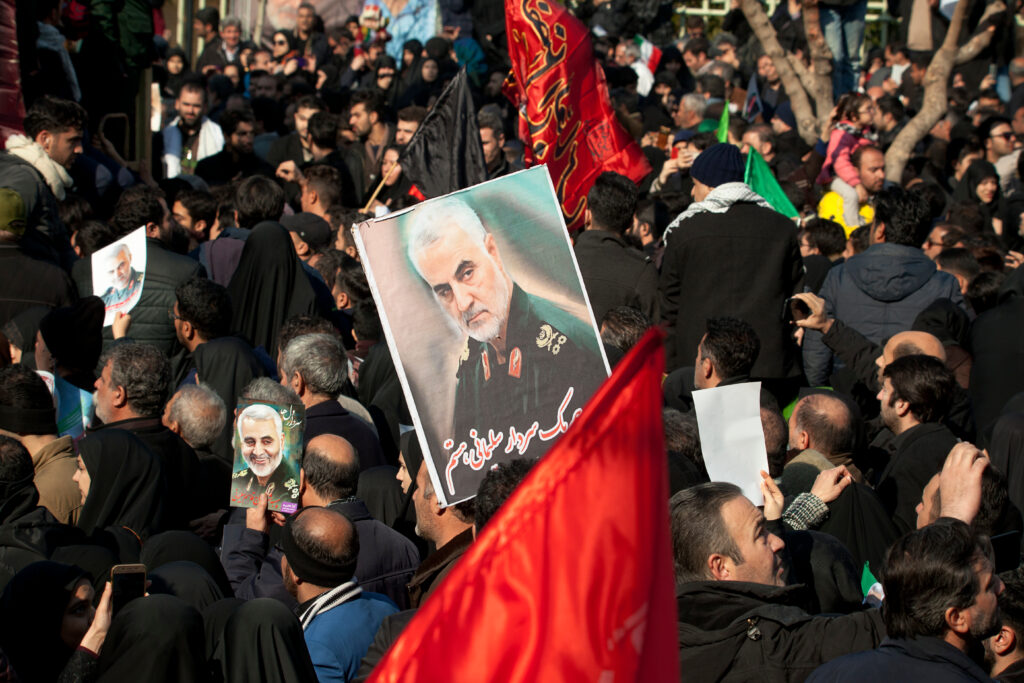
Dr. Mohammad Omar, an expert on counterterrorism and director of the Research Initiative on Antisemitism, analyzes the phenomenon. According to him, in Iran, succession is a process that requires glorification and sanctification to survive: “Succession must be mythologized. It must be sanctified. A regime that feels vulnerable turns to its deepest symbols.”
According to Omar, the Iranian move transforms the concept of obedience into an act of emotional identification: “The message asks Iranians to understand the political transition as the continuation of a sacred trust, not as a contested transfer of power. It shows a regime trying to make obedience feel like mourning—and mourning feel like loyalty.”
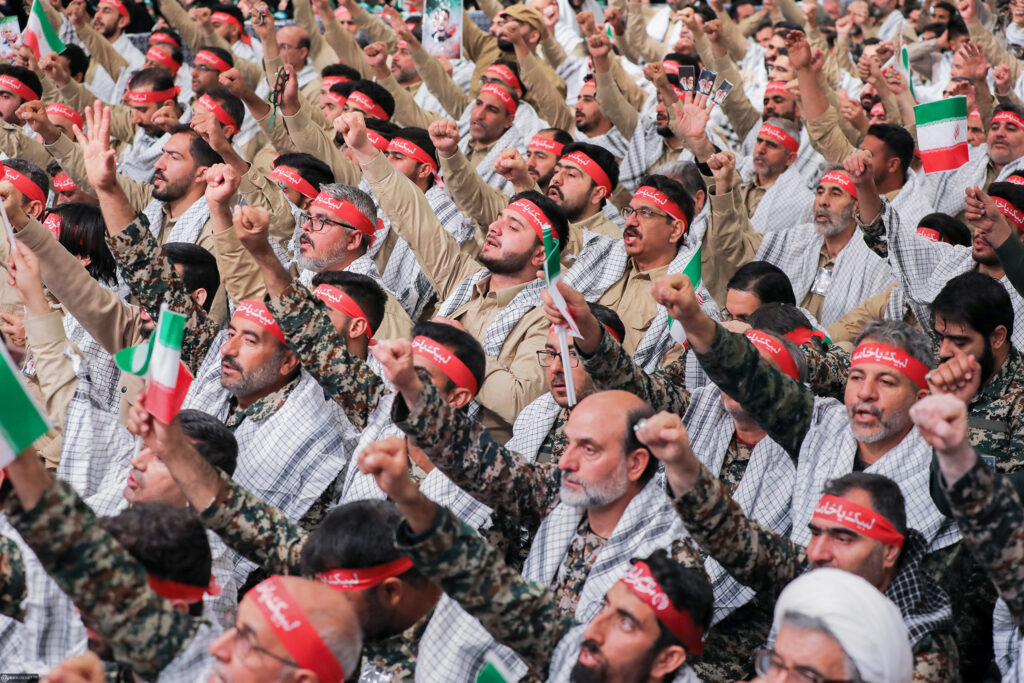
The attempt to weave Mojtaba Khamenei’s image into the legacy of the revolution is designed to grant him immediate legitimacy among Iranian target audiences. The regime is exploiting feelings of identification with the revolutionary past to prevent challenges to its authority in the present.
Iran’s leadership is facing one of the most complex periods since the establishment of the Islamic Republic. Mojtaba Khamenei’s rise is taking place against a backdrop of heavy external pressures, a crippled economy, and constant fear of internal social unrest.
In recent times, the Iranian regime has worked systematically to fortify Mojtaba’s position, pushing aside other power figures and concentrating authority around the office of the ‘Supreme Leader’, while conducting an extensive campaign designed to embed in public consciousness that any challenge to the new leadership is not just a violation of law, but a betrayal of the core principles of Shia Islam and the state.
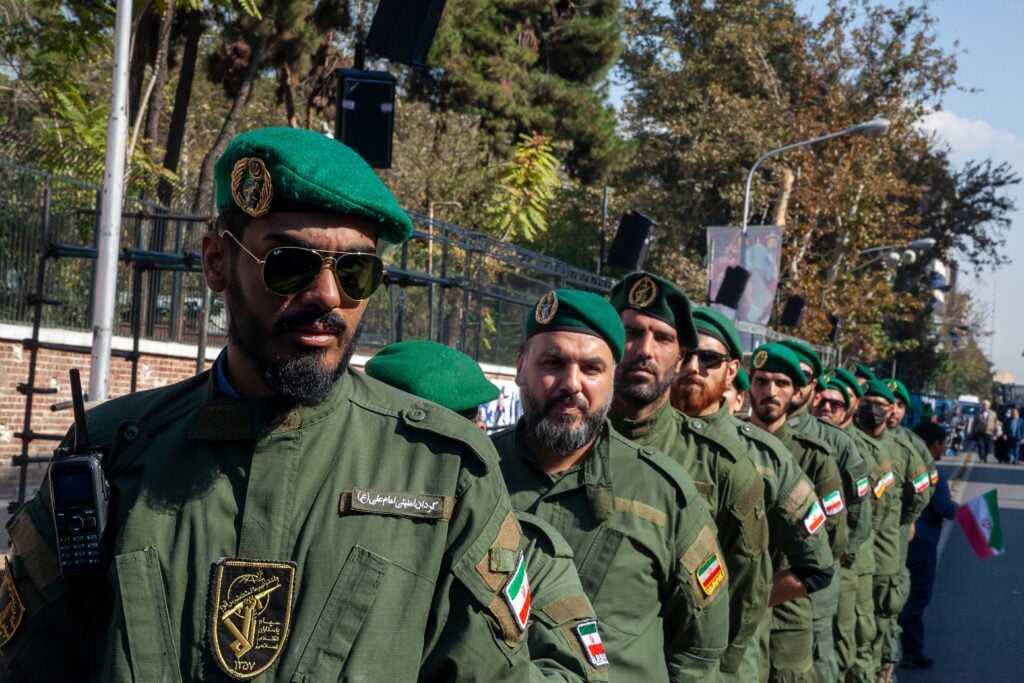
According to experts, the attempt to link “mourning” with “loyalty” is a psychological tactic of authoritarian regimes. By turning the day of the power transfer or the first year of leadership into days of remembrance and solidarity, the regime builds an emotional defensive wall around Mojtaba. The question is whether the Iranian public, fed up with disappointments from the government and economic hardships, will buy this narrative, or whether the attempt to “sanctify” the succession will be interpreted as weakness by a regime that fears the future.
Iran’s symbolic campaign signals to the world that the country is preparing for a new era, based on fear and sophisticated consciousness engineering. The need for frequent declarations about the “sanctity of power” may indicate the internal erosion taking place in Tehran behind the scenes.