



The memorandum of understanding taking shape between Washington and Tehran is drawing criticism and mixed reactions across the international arena. While Iran appears to be celebrating its achievements, questions are mounting in the Western world and Middle East about the deal’s details. Ret. Lt. Col. Amit Yagur said Wednesday on Tal Meir’s “Israel This Morning” that criticism is being heard even in France over the fact that core security issues—chief among them dealing with Iranian missiles—were not included in the current agreement, creating a sense of dissatisfaction among U.S. allies.
In Lebanon, tension is running high ahead of the official release of the memorandum text. Middle East analyst Yoni Ben Menachem reported that Lebanese media are exercising restraint and relying mainly on reports from Al-Arabiya and Israeli media. The fear in Lebanon and Israel is of an Iranian attempt to link the deal with parallel negotiations over the future of southern Lebanon, while pressuring the American administration to back off from the demand to push Hezbollah operatives north of the Litani River.
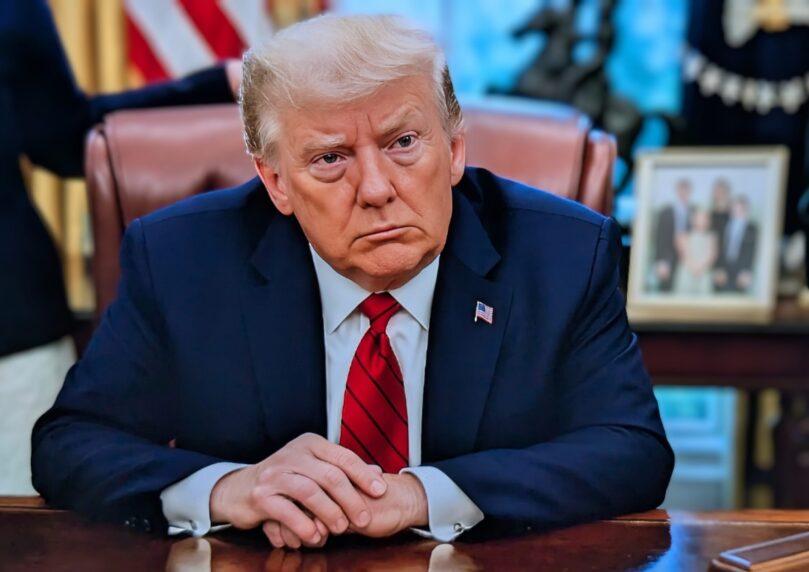
On the U.S. political scene, President Trump’s move is drawing sharp reactions from various circles. Ben Menachem noted that on the Israeli street and in parts of the world, direct comparisons are already being made between Trump and Barack Obama, under the nickname “Donald Hussein Trump.” Yagur added that this comparison, dubbed “Obama 2,” is an especially sensitive subject for the president, who is now operating under a “framework agreement” model reminiscent of the approach toward Gaza—raising question marks among his American base.
Parallel to advancing the deal, Trump’s meetings with Gulf leaders are stirring a storm of perception. Yagur emphasized the significance of Trump’s meeting with the Emir of Qatar, especially against the backdrop of an American report that exposed the depth of Qatari penetration into the U.S. education system. According to him, these events, together with the session alongside Pakistani representatives—a country that led nuclear moves similar to Iran’s in the past—constitute weak points in the current administration’s international messaging.

International criticism is also focusing on the double standard attributed to the American administration. Ben Menachem responded to Trump’s moralizing toward Israel regarding civilian casualties in Lebanon, recalling the history of U.S. military strikes on civilians during the wars in Afghanistan and Iraq. According to him, the president’s words are particularly infuriating given that the IDF insists on evacuation warnings, unlike practices seen in other global confrontations led by Washington.
In conclusion, the world is closely watching the tight timeline, with this coming Friday marked as the target date for closing the gaps in the memorandum of understanding. Questions surrounding the 60-day period set for “fine-tuning” the language, and the fear of what Ben Menachem calls “collapse and surrender to Iran,” continue to occupy the international system. Experts estimate that the battle over public perception—both inside the U.S. and with its allies around the world—will be decisive in the coming days.