


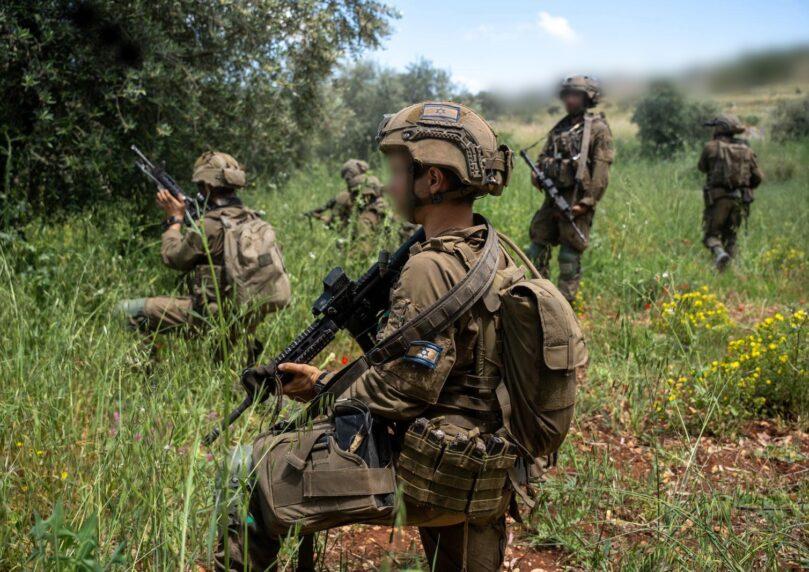

Despite the memorandum of understanding signed between Iran and the United States regarding a ceasefire, the Lebanese arena remains tense and complex. Despite the agreement, rocket fire toward Israeli territory continues, while the IDF is currently refraining from proactive counter-terrorism strikes deep inside Lebanon. The situation on the ground raises questions about the freedom of action for forces operating in the south of the country, as the political and military leadership must balance international agreements against the operational need to protect troops in the field and residents of the north.
Our military correspondent, Hallel Bitton Rosen, reported a significant change in combat conditions for ground forces. According to Bitton Rosen, the fighters no longer enjoy the same protective envelope that existed until a few days ago. “Right now our fighters aren’t getting the protection they received until two days ago, they don’t have the ability to use proactive fire,” Bitton Rosen explains. He adds that this poses a real danger to the forces: “The moment you take away a fighter’s ability to use fire on the battlefield, you take away his best protection.”

The operational shift is reflected in a move from proactive attack on terror threats, to response only in cases of definite identification. While in the past two months some 1,300 terrorists were eliminated thanks to opening fire on any suspicious movement, now only individual terrorists identified as armed near the forces are approved for elimination. Bitton Rosen notes that officers in the field are comparing the current situation to “Black Friday” in Rafah, and warn of similar interim periods. “They (Hezbollah) don’t respect the paper the agreement is signed on, they don’t see themselves as a party to this agreement,” he emphasizes.
Our diplomatic correspondent Tamir Morag points to developments in the diplomatic arena with the American administration. Morag quoted U.S. Ambassador Mike Huckabee, who clarified that Israel does not need Iranian approval to defend itself. According to him, President Donald Trump understands that the IDF will continue to operate against Hezbollah in Lebanon if necessary. Trump assessed in conversations that “the agreement between the U.S. and Iran can survive even a minor war in Lebanon,” despite pressure to reduce activity.
In this context, Finance Minister Bezalel Smotrich clarified last night on the Patriots program that the government does not intend to withdraw from the area in the near future: “As long as Hezbollah is not disarmed—we will stay in southern Lebanon.” According to Smotrich, there is no intention to carry out a withdrawal from southern Lebanon in the coming days or at all, until full operational objectives are achieved.