


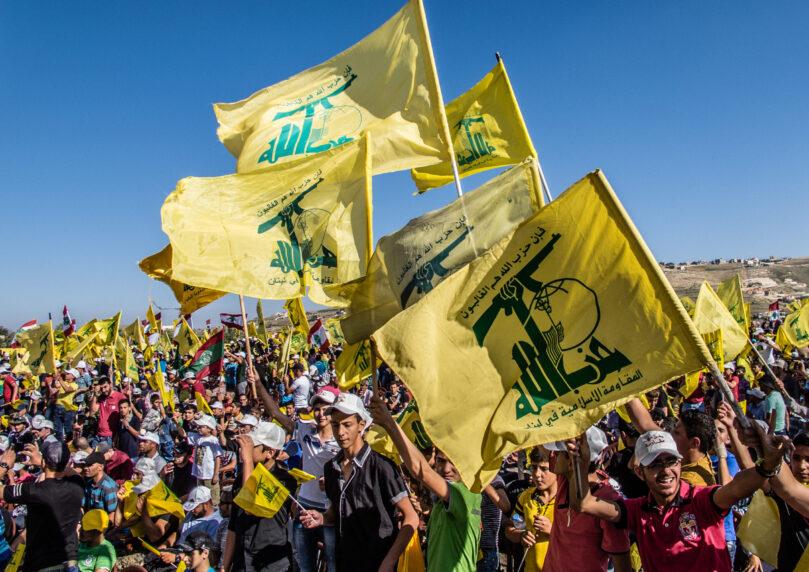

After Iran and the United States signed the memorandum of understanding for a ceasefire, many questions still hang over Lebanon about its implications, and it’s unclear how the deal will actually affect the country. Yet despite the uncertainty, politicians across Lebanon’s political spectrum have already rushed to respond to the agreement.
Hezbollah senior official Mahmoud Qamati declared in an interview that as long as the IDF operates in southern Lebanon, the organization will continue fighting, and predictably presented the ceasefire as “a victory for Hezbollah and Iran.” Meanwhile, Hezbollah’s opponents in Lebanon believe it’s a bad deal, arguing that extending the ceasefire to the Lebanese arena will only deepen the organization’s entrenchment.
From their perspective, this will strengthen the narrative that Iran is the one protecting Lebanon and achieving political gains for it. No less importantly, they say such a move also presents Lebanon as a weak client state that doesn’t manage its own affairs and depends on decisions made outside its borders.

The government in Beirut has already paid a political price for holding meetings with Israeli representatives—a move Hezbollah defines as “treason.” Despite the criticism, Lebanese Prime Minister Nawaf Salam continues to stick with negotiations with Israel in Washington.
Yesterday, after the Lebanese government’s session, Information Minister Paul Morcos declared on behalf of the prime minister: “We will intensify efforts, in the negotiations taking place in Washington, to ensure Israel’s complete withdrawal from our lands and the release of our prisoners.”

Lebanese President Joseph Aoun has been delivering tough messages against Iran for months, but yesterday he spoke by phone with Iranian Foreign Minister Abbas Araghchi and congratulated him on the ceasefire achieved. In a statement to the media, Aoun declared: “We hope that recent developments will end Lebanon’s suffering and the occupation of its lands.”
This week we also published an investigation into the depth of Hezbollah’s infiltration of the Lebanese army, and against this backdrop, Mahmoud Qamati’s additional statement yesterday sounds less surprising. According to him, if the IDF withdraws from all territories in southern Lebanon, Hezbollah will have no problem withdrawing from the area and transferring control to the Lebanese army.
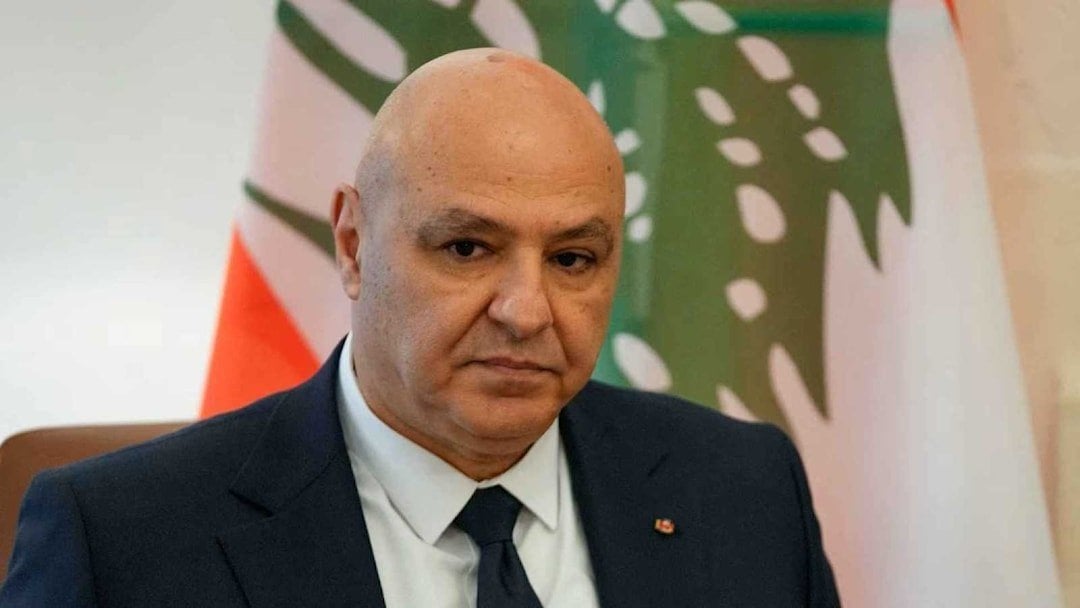
He declared: “We will liberate the lands and the Lebanese army will enter, deploy in the area and take control—we have no objection whatsoever.” In Israel, some see the agreement between Iran and the United States as a loss. But that feeling doesn’t exist only in Israel.
In Lebanon too, in the camp that tried in recent months to challenge Hezbollah and weaken its influence, they see this agreement as a severe blow that gives Iran and Hezbollah a significant psychological achievement.