


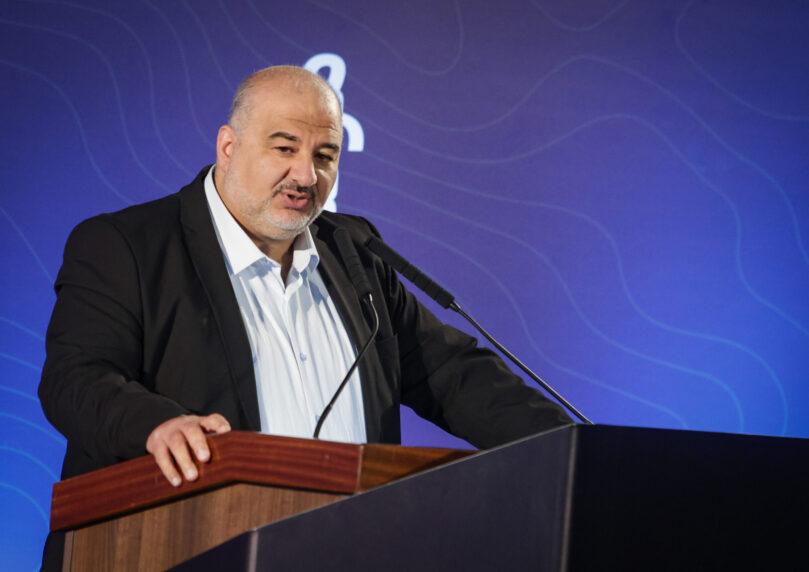

While Israel’s Arab public has spent months pushing for political unity and a single joint list that would include all four Arab parties and restore real power in the Knesset, Mansour Abbas, chairman of Ra’am, keeps dragging his feet, making conditions, and preparing himself an “escape route” to become Israel’s next kingmaker.
Why? Because Abbas doesn’t actually want unity. He wants control and money. He prefers to run alone rather than within a joint list framework. In a real joint list—with seat allocation, joint campaigning and coalition discipline—he would no longer be “the sole leader.” He might find himself in slot 2 or 3, or even lower. Abbas would rather be the head of 4-5 of “his” mandates than a secondary player in 12-15 joint mandates. This isn’t public interest; this is his own personal interest.
Mansour Abbas is not the “moderate voice” he tries to sell to Jews. He’s an opportunistic politician who found a niche—being the “responsible” Arab willing to sit with Jewish governments—and he guards that niche at all costs, even if it comes at the expense of his people’s unity and power. He doesn’t want a real joint list because it would force him to give up some power, some ideology, and some of his political options. The Arab public wants unity. Abbas wants to remain the “king” of pragmatism. So what does Mansour Abbas really want?
The Muslim Brotherhood’s Tamkeen Method: Penetrating Democracy and Seizing Control from Within
Ra’am is the political arm of the Southern Branch of the Islamic Movement in Israel. This is not a secular party and not a ‘Palestinian-nationalist’ one. It is Islamist-conservative. Mansour Abbas’s strategy represents one of the pillars of the Muslim Brotherhood’s worldview. This is the stage of political empowerment and consolidation, where the movement seeks to achieve effective control of government institutions and society to implement its vision—an Islamic state based on Sharia law. Unlike extremist currents calling for immediate violent revolution, the Muslim Brotherhood, inspired by founder Hassan al-Banna, developed a gradual and sophisticated approach: building broad roots in society through education, Dawah (spreading Islam), community organizing, and establishing influence networks, followed by systematic penetration of state institutions.
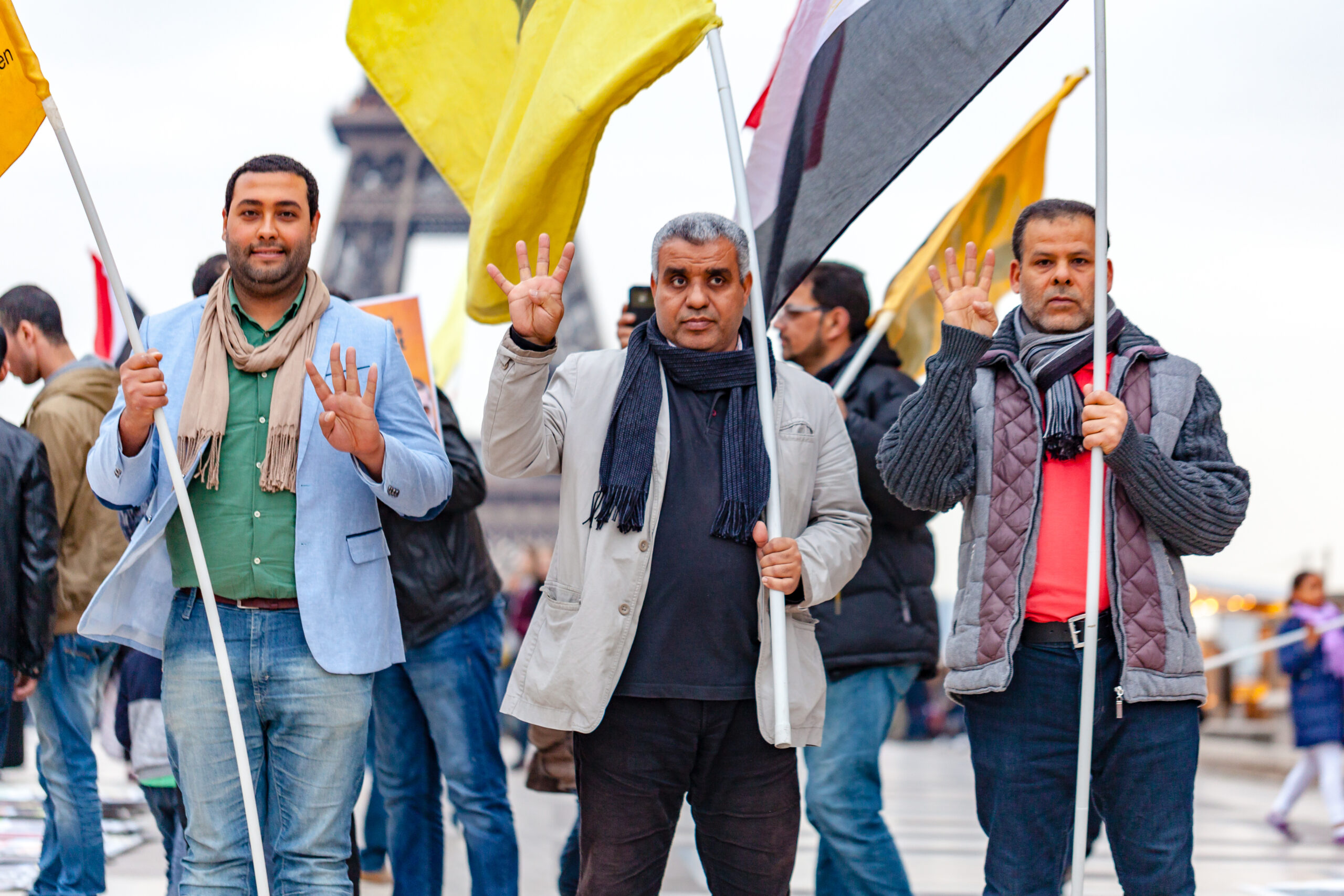
The method is based on exploiting democratic tools themselves. Instead of trying to topple the regime through frontal force, they penetrate it through free elections, parliamentary participation, joining coalitions, and gaining public legitimacy. Once there’s a foothold in institutions, a process of structural changes begins: influence over the education system, appointments of Islamists in all branches, legislative changes, control of religious and judicial bodies, and creation of a parallel society where Islamic norms become dominant. Ultimately, the goal is Tamkeen—full empowerment that will enable the transformation of government and social orders in an Islamic direction.
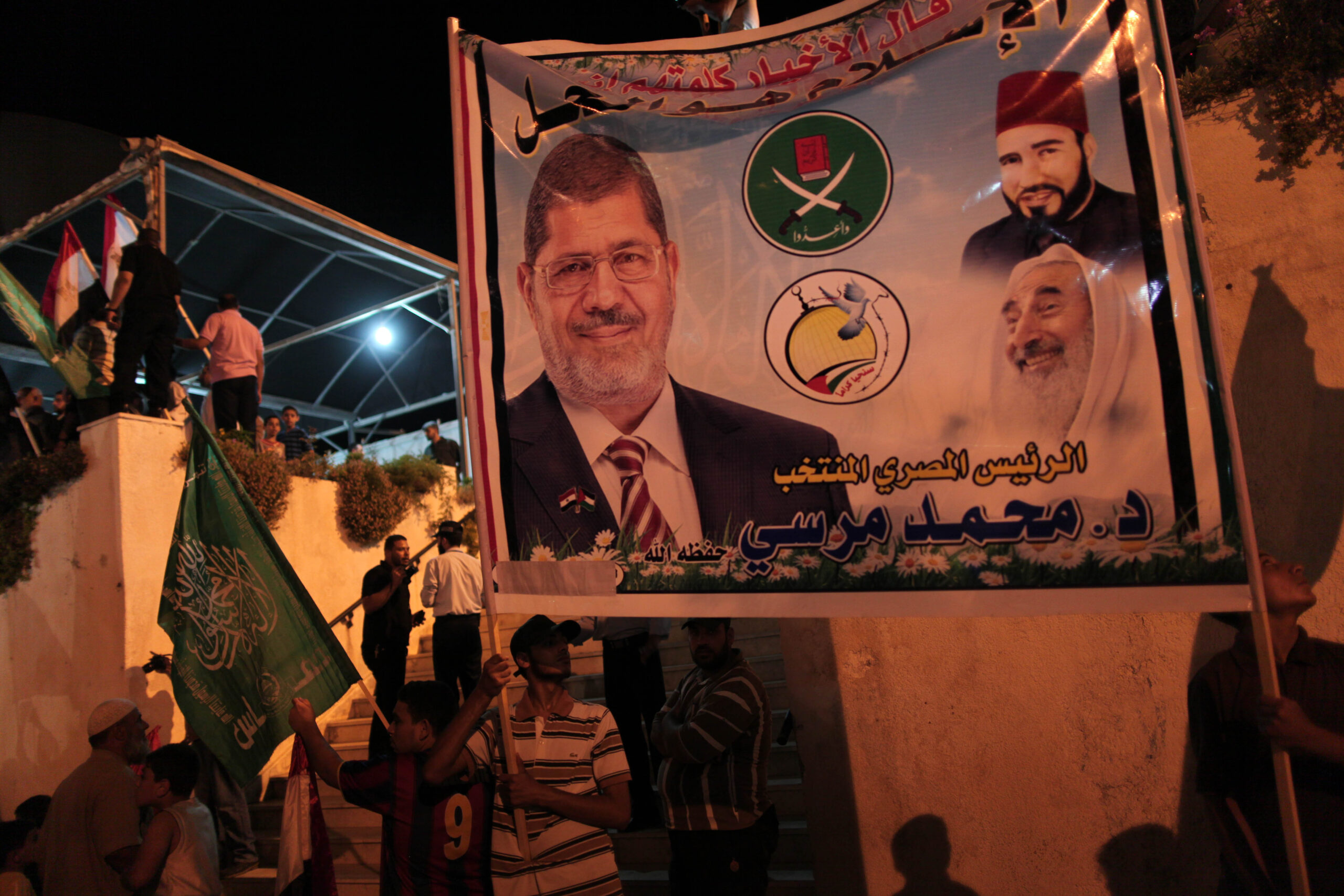
For example, in Egypt, the method was clearly demonstrated. After the fall of Mubarak’s regime in 2011, the Muslim Brotherhood exploited the democratic window, won a significant majority in parliament, and in the presidential election with Mohamed Morsi. They immediately began attempts to change the constitution, expand their influence over the judiciary and military, and embed Islamic values in state institutions. Only a wave of broad popular opposition, backed by military intervention when army commander and Defense Minister Abdel Fattah el-Sisi deposed the sitting president and arrested him, stopped the process before Tamkeen was completed.
Here in Israel, Mansour Abbas and the Ra’am party, emerging from the Southern Islamic Movement, represent a clear attempt to implement the same tamkeen method. The Southern Islamic Movement carries deep ideological baggage connected to the Muslim Brotherhood, even if in a more pragmatic version. Abbas and his supporters have participated in the Israeli political system since the 1990s, been elected to the Knesset, and reached a peak in 2021 when they joined the government coalition—a move presented as pragmatism and integration.
Recently, following President Trump’s decisions to impose sanctions on the Muslim Brotherhood in America and elsewhere, amid political pressures and threats to the legality of their activities, Abbas announced severing religious ties and transforming the party into “completely civil.” This is, of course, a distinctly tactical move. The goal is penetration into Israeli government arms—the Knesset, appointments, joining coalitions, decision-making centers, and budgets—to exploit Israeli democracy.
Under the guise of genuine concern for the rights of Israel’s Arabs and improving their economic and social situation, they are building a political power base that can serve in the future for deeper structural changes: growing influence over the Arab education system, demands for recognition of collective rights that undermine the Jewish character of the state, and influence on sensitive issues like the Temple Mount and the Israeli-Arab conflict.
Exploiting democracy this way is not legitimate. Real democracy is not just a technical mechanism of elections and coalitions; it is based on shared commitment to core values—equality before the law, individual freedom, rule of law, and the national identity of the state. When ideological forces that see democracy as merely a temporary tool penetrate its institutions and use it to accumulate power, they turn it against itself. The European experience clearly teaches that ignoring the danger or granting legitimacy leads to a divided society, gradual erosion of democratic values, and the rise of forces seeking to replace the governing order.
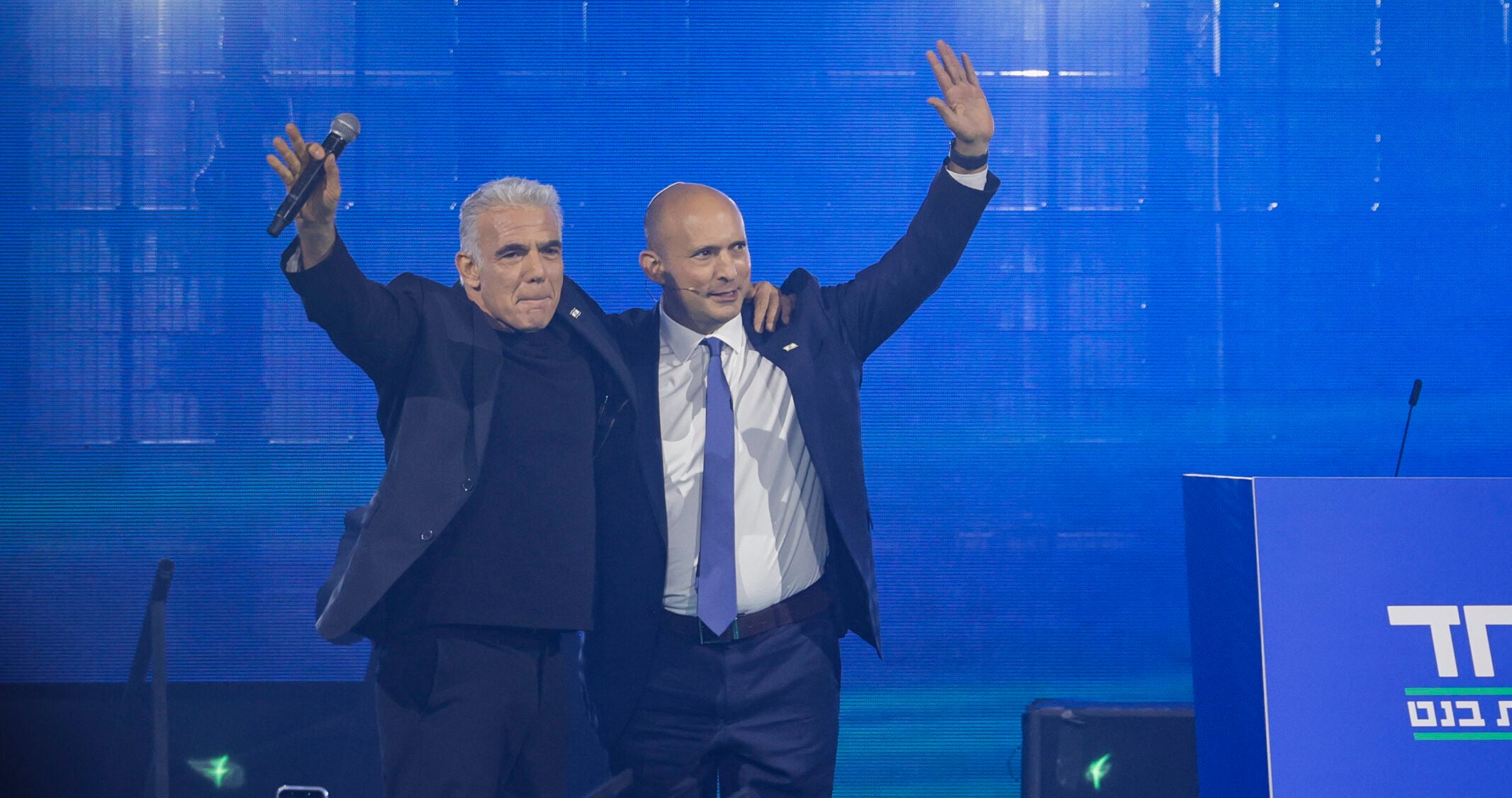
Now, as we approach the next elections, if the right-wing bloc struggles to reach at least 65 mandates, the same spectacle from the Bennett-Lapid government is set to return. Only this time it will be bigger, more expensive, and more dangerous. In fact, the left is already starting to organize. It knows it won’t reach 61 without Arab help. And the only help remaining in the political arena is Mansour Abbas. So the familiar dances begin again: suddenly Abbas is “the sane voice in the Arab sector,” suddenly “you can talk to him,” and suddenly all his demands—budgets, appointments, legitimizing unrecognized villages, influence over the Temple Mount, autonomy in education—become “legitimate demands.”
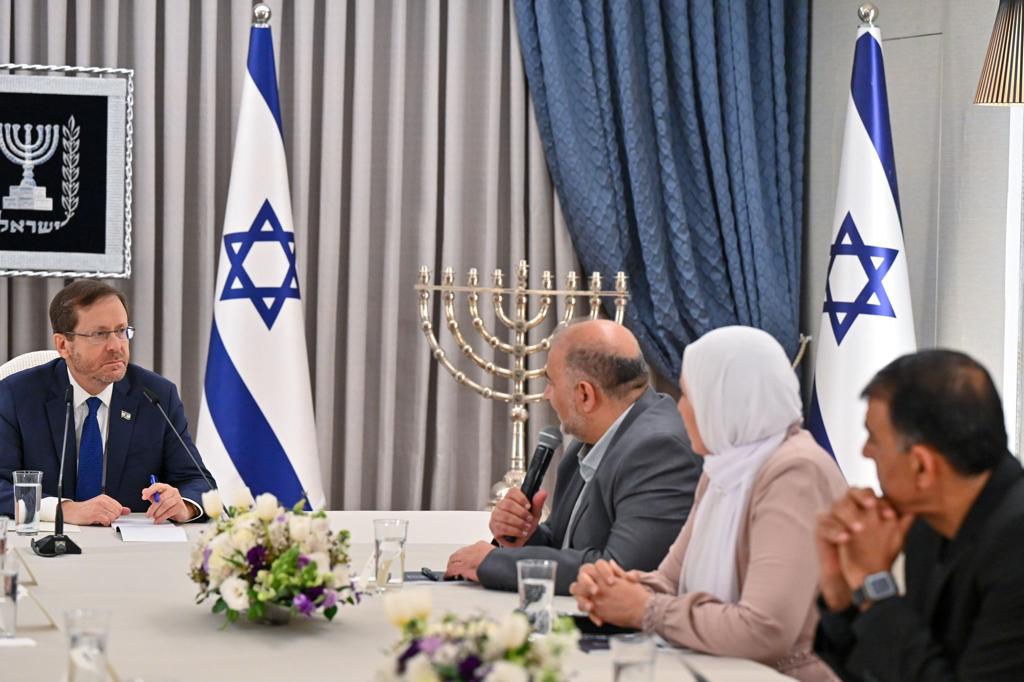
Remember, if the right fails to assemble a stable coalition in the next elections, don’t be surprised to see the familiar pictures again: Abbas sitting with Eisenkot or Bennett, and Yair Golan signing agreements with a smirk. Because he knows—this time it won’t be just another few billion shekels. This time, it will be another significant step forward on the path to becoming the decisive factor in Israel, on the road to changing the character of the only Jewish state in the world. And the left? It will keep calling it a “partnership.” Because when you need a Knesset seat, even “values” can be sold.