



The United States has been running a large-scale covert operation since early May to keep Gulf oil flowing to international markets—using a method typically associated with Iran, Reuters reported today (Tuesday).
The U.S. military is overseeing dozens of ship-to-ship oil transfers in open water outside the Strait of Hormuz. The operation uses maritime and aerial drones, helicopters, and other surveillance assets to escort convoys of tankers to rendezvous points off the coast of Fujairah in the United Arab Emirates and near the port of Sohar in Oman.
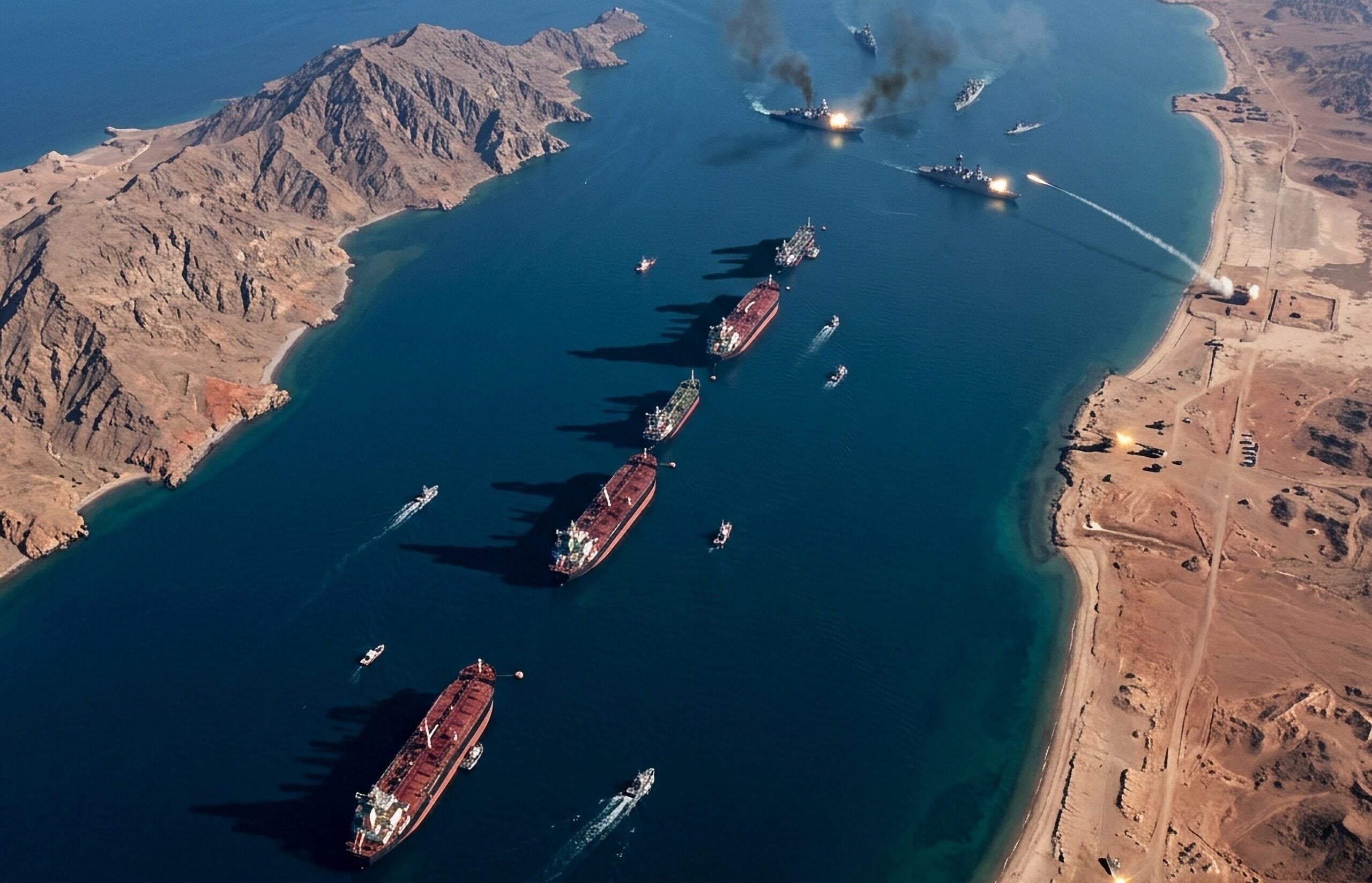
According to satellite tracking data reviewed in the investigation, at least 92 ships have been involved in the operation since it began in early May. Images captured on June 11 showed 17 pairs of vessels simultaneously conducting oil transfers at sea.
The investigation notes that an American Apache helicopter shot down by Iran on June 9—an incident that later triggered U.S. retaliatory strikes—was participating in a mission related to the operation. However, its exact role in the oil transfers could not be determined.
According to sources familiar with the details, tankers participating in the operation follow unusual protocols: they sail at fixed intervals, turn off identification transponders, and dim their lights while transiting the area. After exiting the Strait of Hormuz, they pull alongside supertankers and transfer cargo over 24 to 40 hours.
Reuters estimates that the maritime network has moved at least 90 million barrels of crude oil and refined products since early May. Still, that’s a relatively small amount compared to normal traffic through the Strait of Hormuz before the crisis, which stood at around 20 million barrels per day.
According to the report, the move is designed to cope with Iran’s closure of the Strait of Hormuz following the war between Iran and Israel. The closure of the strait, through which roughly one-fifth of global oil consumption normally passes, sent shockwaves through world energy markets.
Security officials and shipping industry sources warn that while the method allows oil exports to continue, it carries significant risks. Among other things, turning off identification transponders and sailing at night without lights increase the risk of maritime collisions, alongside fears of Iranian attacks on vessels participating in the operation.
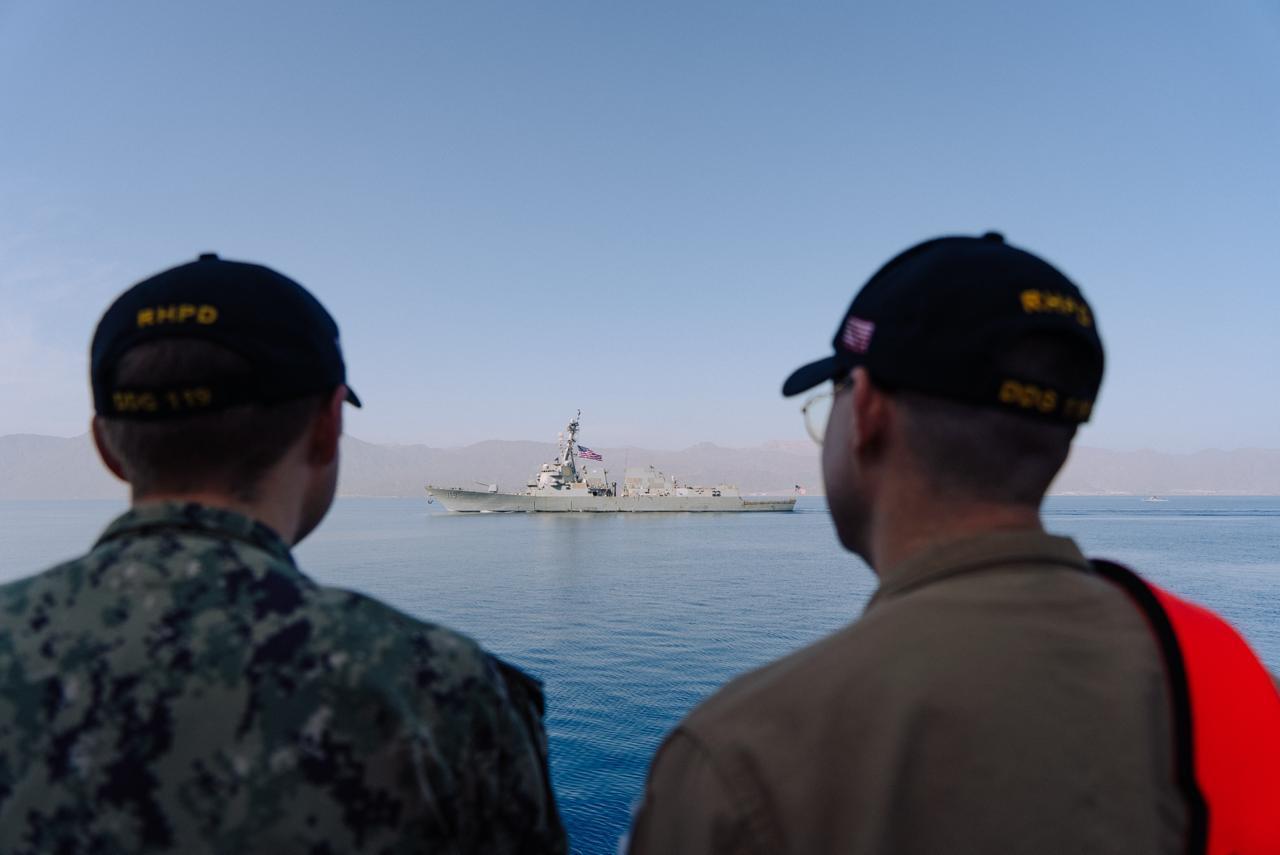
According to sources, the United States is not providing direct naval escort to the ships, but rather supplies them with intelligence, aerial surveillance, and compliance checks. Vessels are required to undergo a comprehensive approval process with U.S. Navy officials in Bahrain before receiving clearance to participate in the transfer system.