


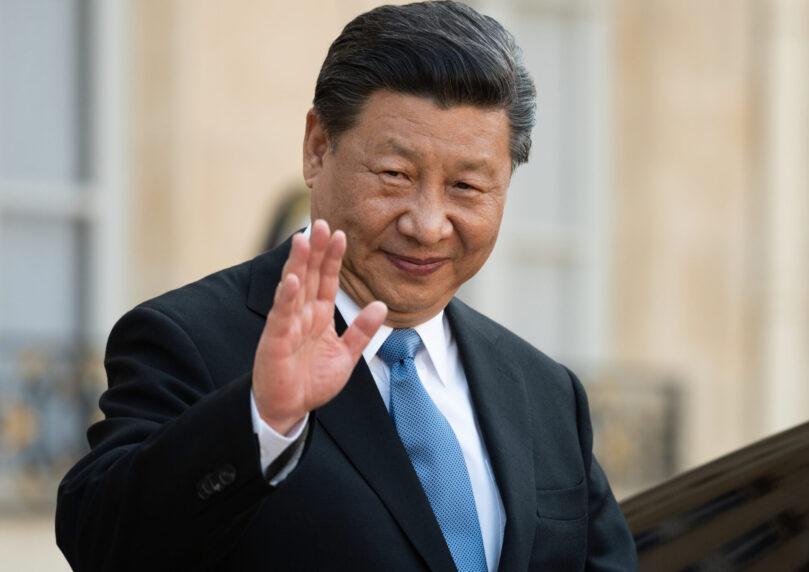

After hours of confusion and uncertainty, it’s time to make sense of the situation: What exactly did President Donald Trump agree to? The current deal focuses on two lean principles: the Strait of Hormuz must remain open to free navigation, and Iran cannot obtain nuclear weapons. Trump insists on repeating these commitments at every opportunity, while pushing to reopen shipping lanes at any cost.
The central question is why Trump was so eager for this limited deal, forcing us to avoid interference even at the cost of harm to soldiers. Why did Vice President J.D. Vance, an opponent of wars, move to the front of the stage while Secretary of State Marco Rubio was pushed back? No one can provide a convincing explanation for this obsession, beyond superficial excuses like the World Cup, birthdays, midterm elections, and the lot of it.
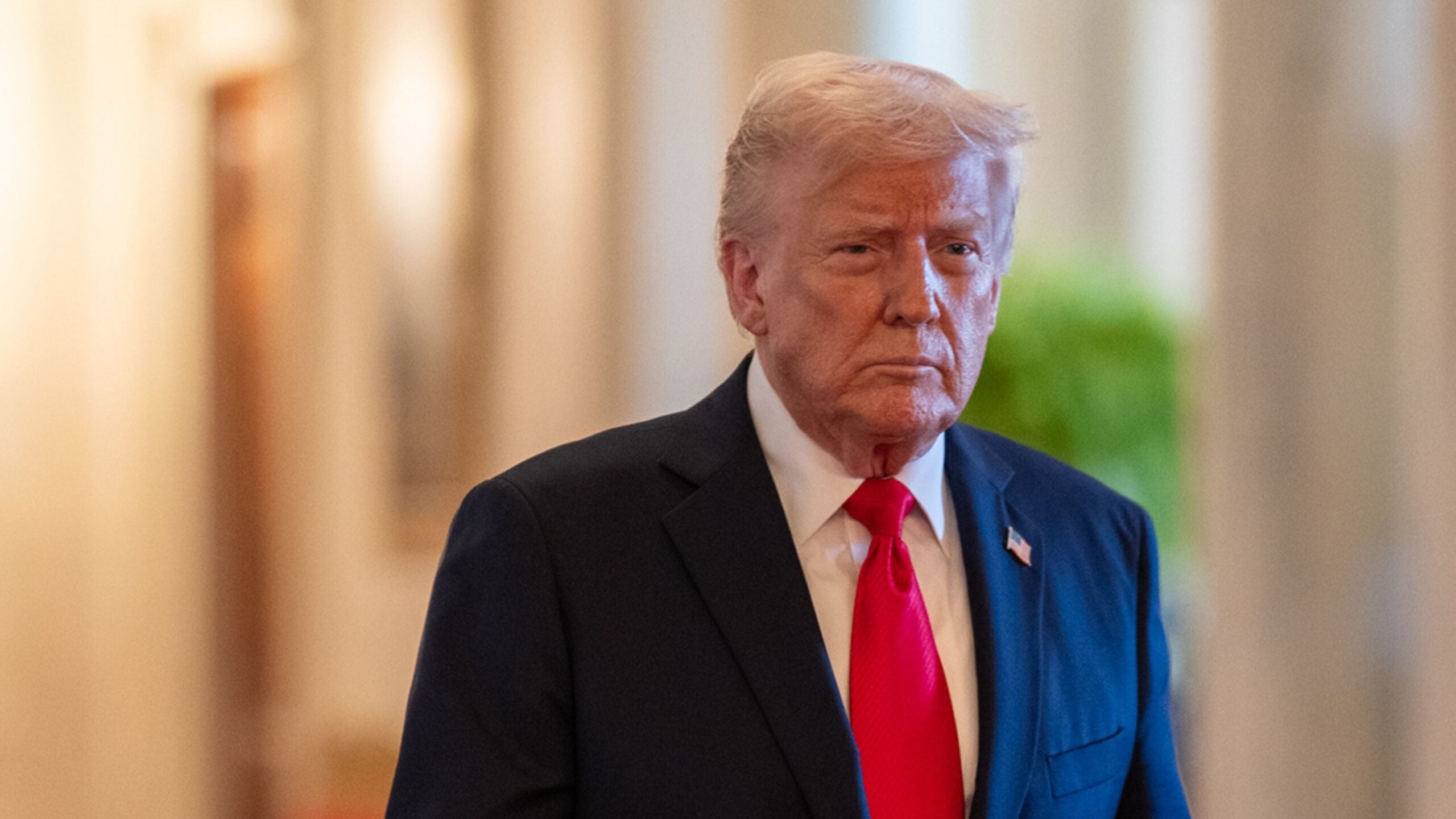
What Does Trump Plan to Do With Iran During the 60-Day Ceasefire?
The answers appear to lie in what happened in Beijing during last month’s visit (May 2026). Trump arrived in China after nine years of disconnect from President Xi, and after a year of economic and political struggle designed to curtail Chinese hegemony. He even postponed the visit by a month due to the Iran operation, trying to arrive in China from a position of strength.
But Trump arrived at the visit weaker than he planned. He hoped to arrive as the victor in Iran to force China into oversight mechanisms on trade, agreements on rare metals and artificial intelligence, that would guarantee him control of the global economy. The Chinese, for their part, didn’t cooperate and threatened military escalation against Taiwan over the U.S. halting of cheap Iranian oil supplies.
As superpowers do, the negotiations didn’t go up in flames but ended in massive deals, like the sale of 200 Boeing aircraft to China. However, the joint statement was short and included only one sentence: “The Strait of Hormuz must remain open to free navigation and Iran must not have nuclear weapons.” This is precisely the principle underlying Trump’s current deal with Iran.
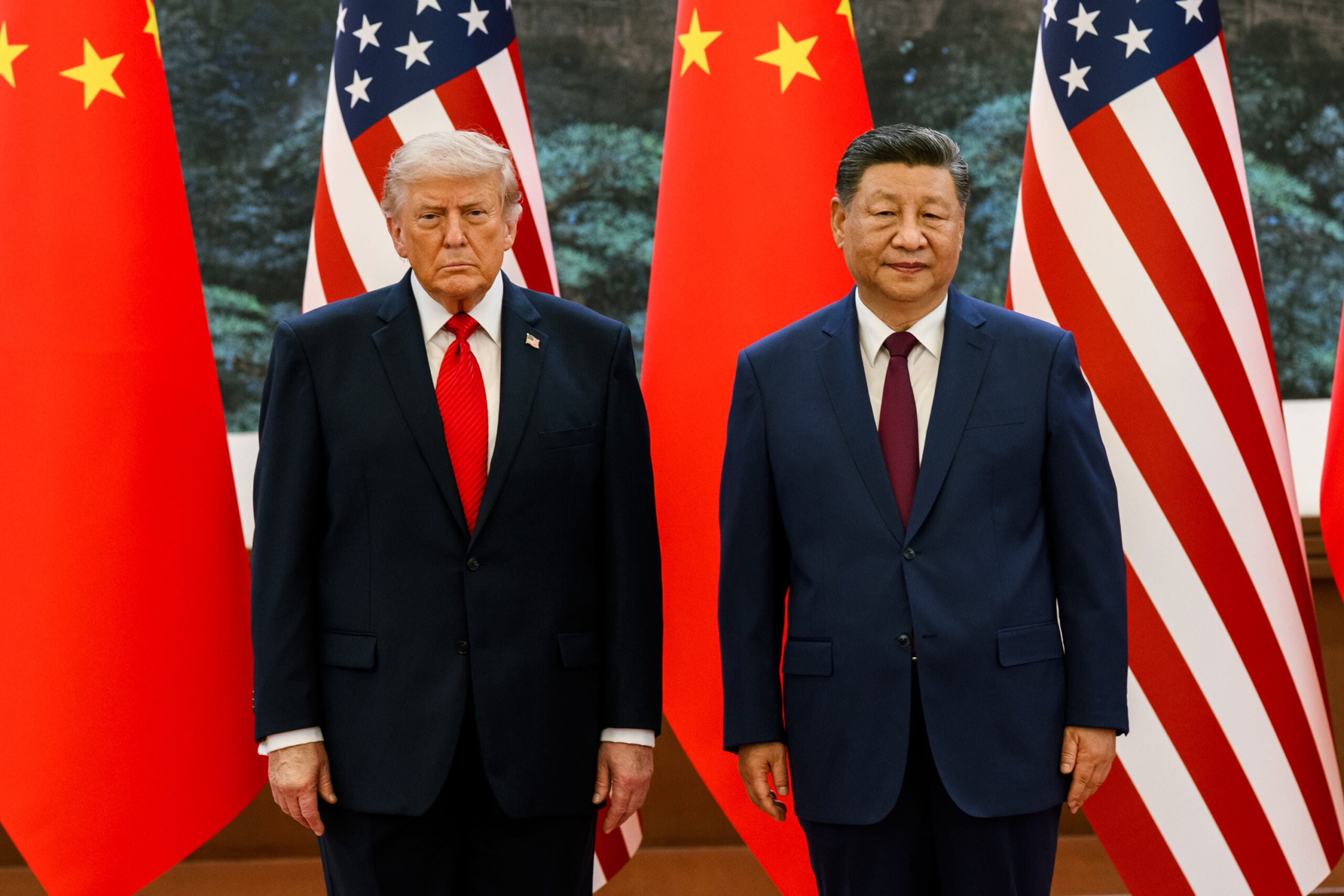
Trump operates as a businessman pursuing a new world order. After encountering Chinese stubbornness, he was forced to settle for a formula of “oil in exchange for a non-nuclear Iran.” To secure the signature, he was willing to do anything: restrain Israel, turn Qatar and Pakistan into mediators, and put J.D. Vance at the forefront—someone trusted by the Iranians and Pakistanis.
If this shrewd analysis is correct, Iran isn’t really at the top of Trump’s concerns. He’ll use the 60-day ceasefire to complete his part of the deal with the Chinese. After that, Israel, America’s faithful ally, will return to its central position, and Trump will try to prove he succeeded in blocking Iran’s nuclear program his own way.
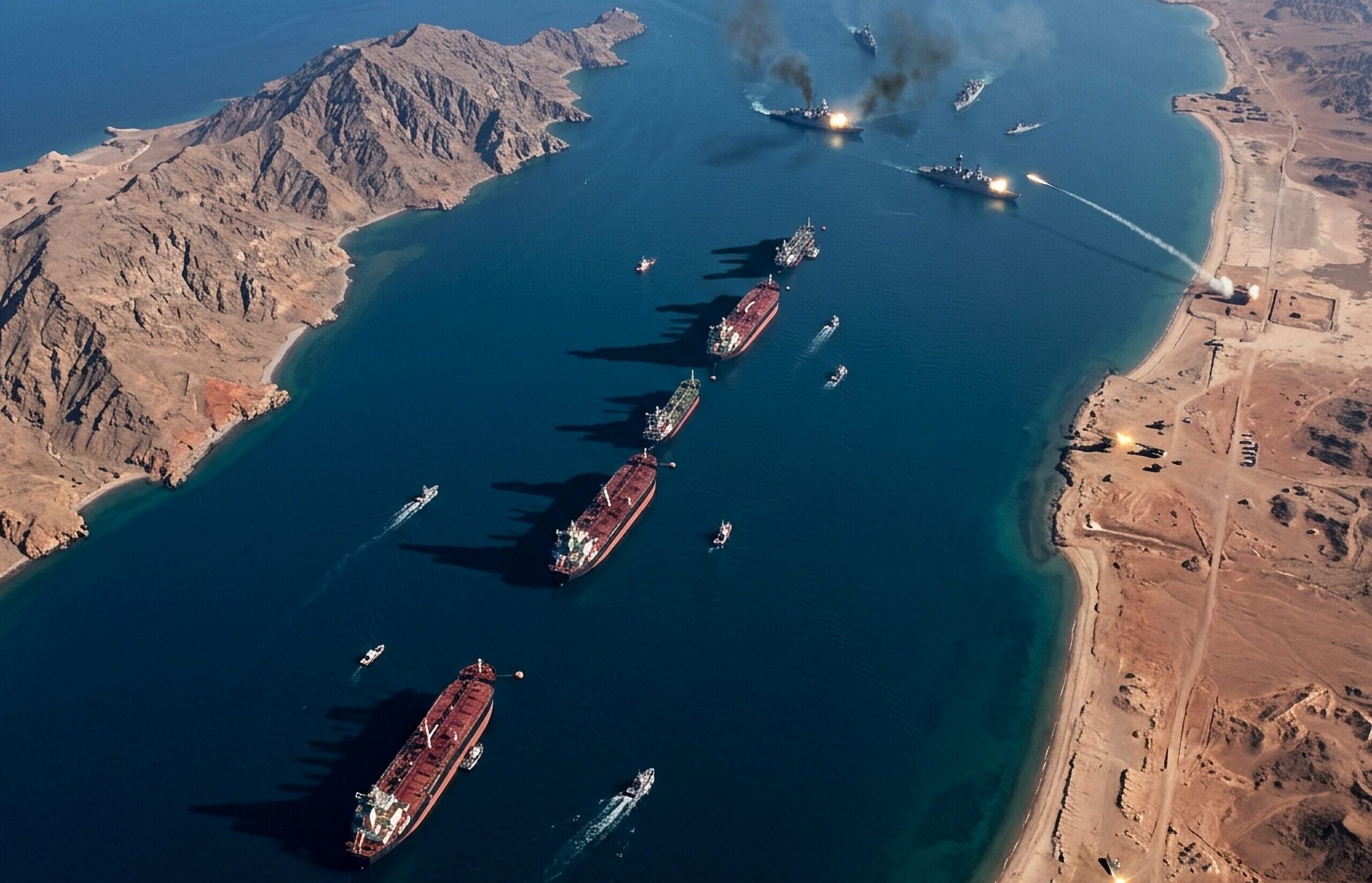
If the nuclear deal doesn’t work out, Trump may leave Israel the “dirty work.” Just as he dismantled the headquarters in Kiryat Gat after feeling deceived by Turkey and Qatar and returned Gaza’s management to us, he’ll do the same regarding Iran. Starting next week, we’ll begin to understand where the president is really headed.