


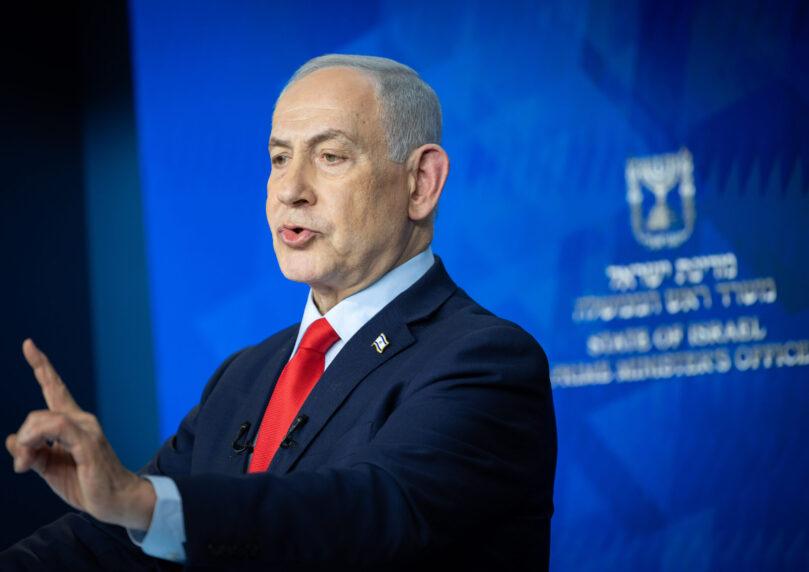

The Israeli left has shed its skin and replaced its leaders this term, but the real battle for shaping the country is now shifting to the right bloc. Netanyahu has identified a critical group of mandates in the center of the map—voters who have never voted for the right but see him as the most suitable leader. Creating a new political force that declares loyalty to the bloc is the only key to breaking through the glass ceiling and achieving a decisive majority.
The next two moves that will complete the political map ahead of elections, after the left has dealt its cards, will be a facelift for the Likud list and the establishment of a new center-right party that declares, “we’re joining a government led by Netanyahu.” The right likes to say it doesn’t interfere with how the left divides its mandates. And indeed, it’s been a long and fascinating process to watch the formation of the left’s new party map—a process that lasted more than two years.
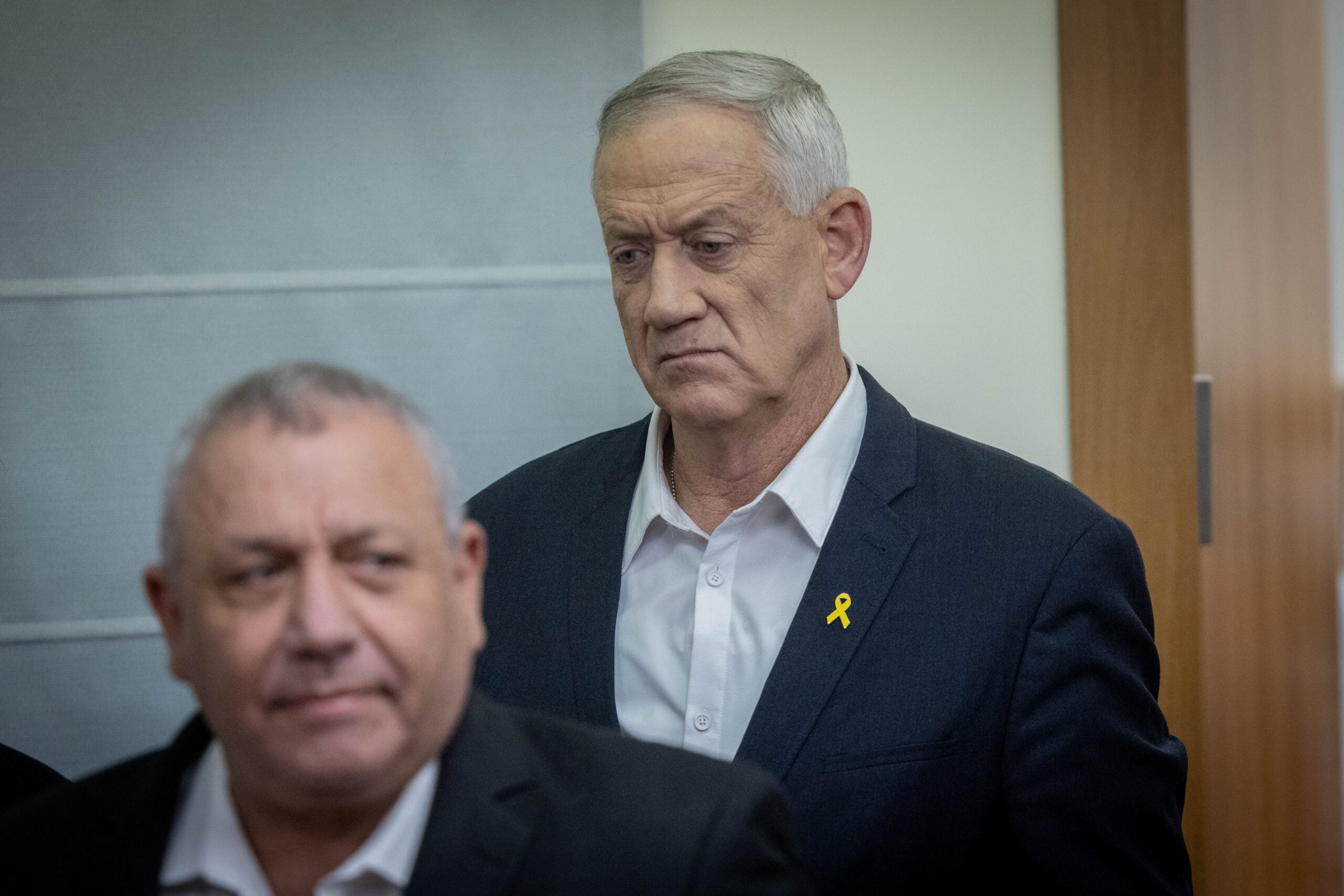
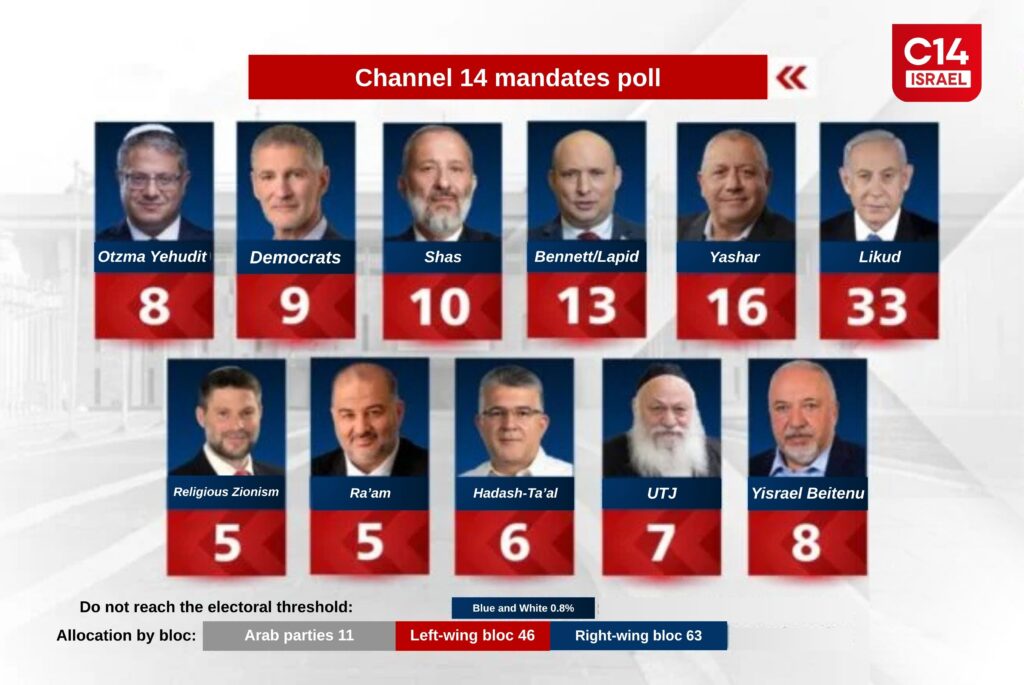
Like a snake shedding its skin, the left has replaced nearly all its parties and their leaders. It ousted Benny Gantz, Yair Lapid, and Merav Michaeli; eliminated the National Unity party, Yesh Atid, and Labor; and established in their place “Yachad,” “Yashar,” and the Democrats with Naftali Bennett, Gadi Eisenkot, and Yair Golan. Like a soccer team that dropped a league, or a company that went bankrupt, they replaced the CEO, management, and players, did new branding, and are returning to the market in an attempt to win again.
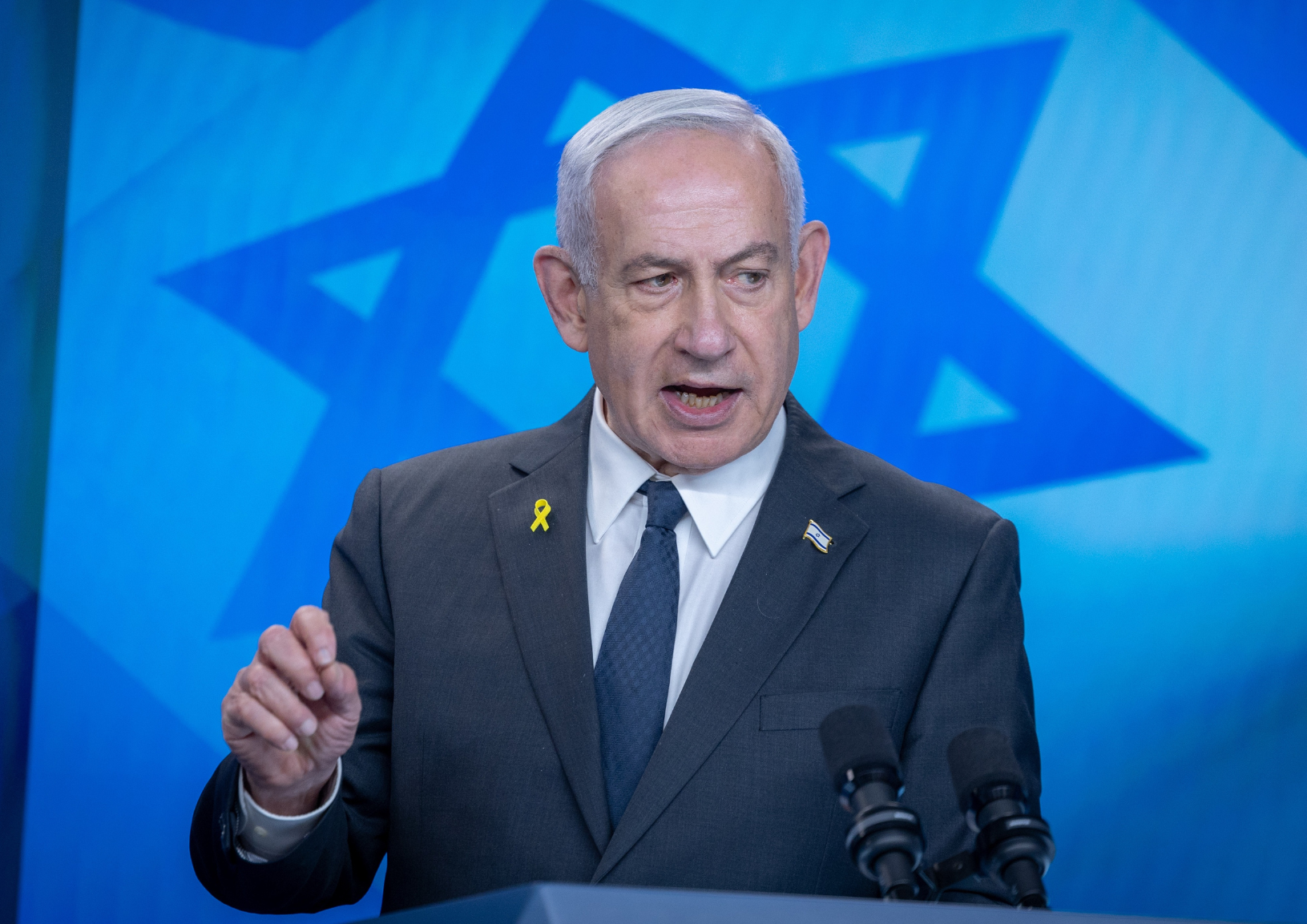
But the next two moves that will shape the political map are about to happen on the right: a Likud facelift and a new center-right party. In Likud, Netanyahu understands that the current list—shaped from opposition stars in 2021—isn’t relevant for 2027. The method (primaries) no longer works either, and he’s pushing to create an attractive list through reserved slots or an organizing committee. Likud is the party with the highest voter loyalty in Israel.
In the end, the vast majority of Likudniks always come home, but to win decisively requires bringing in another 5 seats. The success level of Netanyahu’s move will also impact the second and more intriguing move: Will a center-right party emerge, and who is its target audience? In the center of the political map, a political paradox is playing out. Since summer 2024, the beeper attacks and “Rising Lion,” and after Gantz and Eisenkot’s departure, a group of about 5-7 seats of disillusioned voters has formed in the center of the map.
These are voters who have never voted for the right, who see Netanyahu as the most suitable prime minister for this time (according to suitability data), but have no party to choose—and the current Likud isn’t an option for them right now. At the same time, many claimants to the crown have been circulating in that same zone for two years, courting those same voters but failing to gain traction: Yoaz Hendel, Gilad Erdan, Dedi Shimchi, Yuli Edelstein, Ayelet Shaked, and many extra-parliamentary organizations that emerged after the protests and the war.

The reason this supply and demand don’t meet is simple: these voters want a center-right security-oriented, Zionist, values-based party whose leaders will explicitly declare: “We’re joining the right bloc led by Netanyahu.” But all those contenders and organizations can’t make that declaration. They’re still in the paradigm of forcing a change of government as the swing vote, in complete opposition to the wishes of those potential voters. These moves will decide the elections decisively.
The right bloc in my polls currently has between 63-65 seats. There’s an argument that to carry out significant reforms, a more decisive majority is needed. A center-right party that will be a partner in a future coalition can bring the entire camp to a stable and strong coalition of 68-70 seats, which would completely change the face of the political map in the coming years and the ability to govern effectively.