


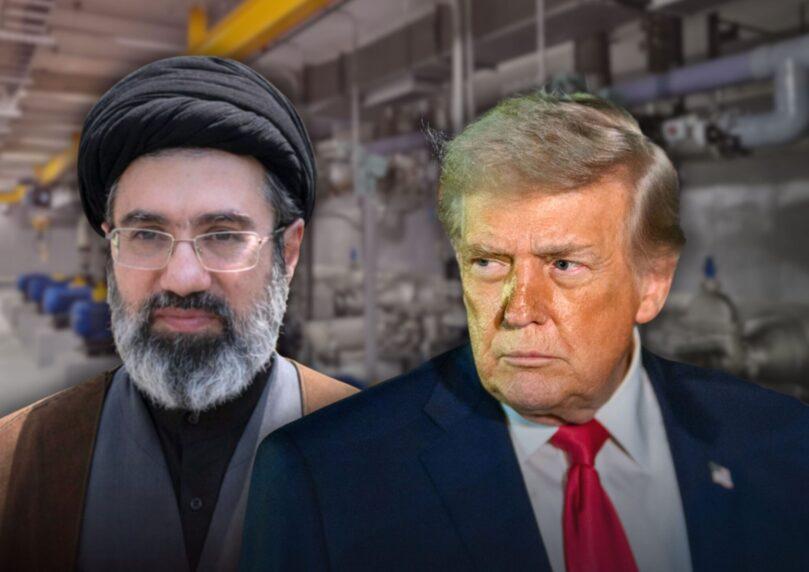

Despite early reports of the Irani and U.S. delegations departing, a senior diplomatic source confirmed to CNN this morning (Thursday) that negotiations between the sides are ongoing. This com


 3+
3+es despite the dramatic rise in tension and fears that the overnight strikes would complicate the deal under consideration.
Following up on this, and contrary to yesterday’s reports claiming the Qatari delegation had left Tehran, Reuters reported that the Qatari delegation did indeed leave Iran, but only did so in the early morning hours. Iranian sources further added that negotiations are continuing over an “initial agreement” and a mechanism for unfreezing frozen funds.
According to the source, the senior Qatari and Iranian officials sat at the negotiating table and held intensive talks throughout the entire night until the final moments before their departure.
 3+
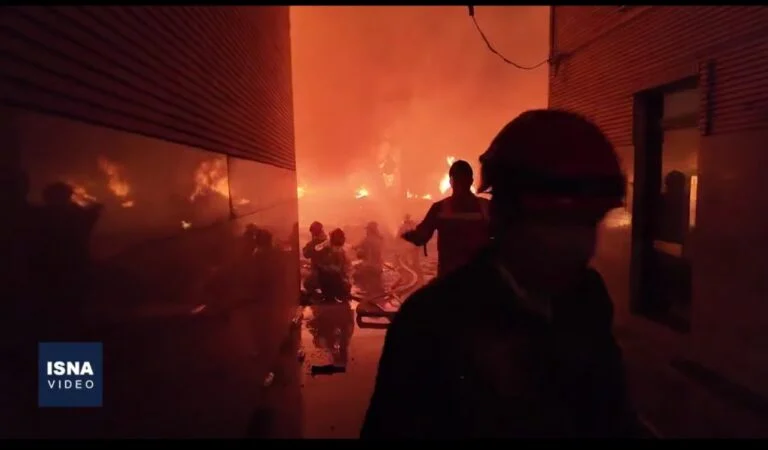
3+CENTCOM released an official statement overnight confirming that its forces completed a series of powerful self-defense strikes across Iran yesterday evening. The Pentagon defines the strikes as a lethal and direct response to Iran’s ongoing and unjustified aggression, particularly following the downing of a US military Apache helicopter earlier this week.
The current action, which constitutes the second consecutive wave of strikes, has put the Persian Gulf on high alert. It is accompanied by sharp warnings from the White House and the Pentagon, making it clear that American forces are prepared for rapid escalation if Tehran does not sign an agreement to end the crisis.
 3+
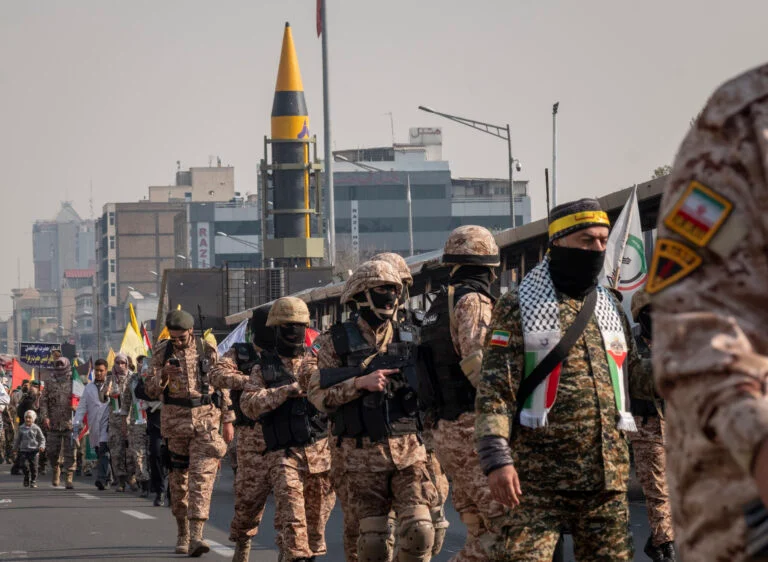
3+According to the Central Command report, combined forces from the Marine Corps, Air Force, and Navy utilized precision munitions against multiple military targets inside Iranian territory. The operation dealt a severe blow to the operational capabilities of the Islamic Revolutionary Guard Corps (IRGC) and their surveillance capabilities in airspace and maritime zones.
The main targets destroyed in this wave of strikes include:
-
Military surveillance capabilities and radar systems: Detection and observation facilities used by Iran to track Western forces.
-
Communication systems: Communication and coordination infrastructure belonging to the Iranian military.
-
Air defense sites: Missile batteries and interception systems that posed a direct threat to US forces and international commercial vessels sailing in regional waters.
 3+
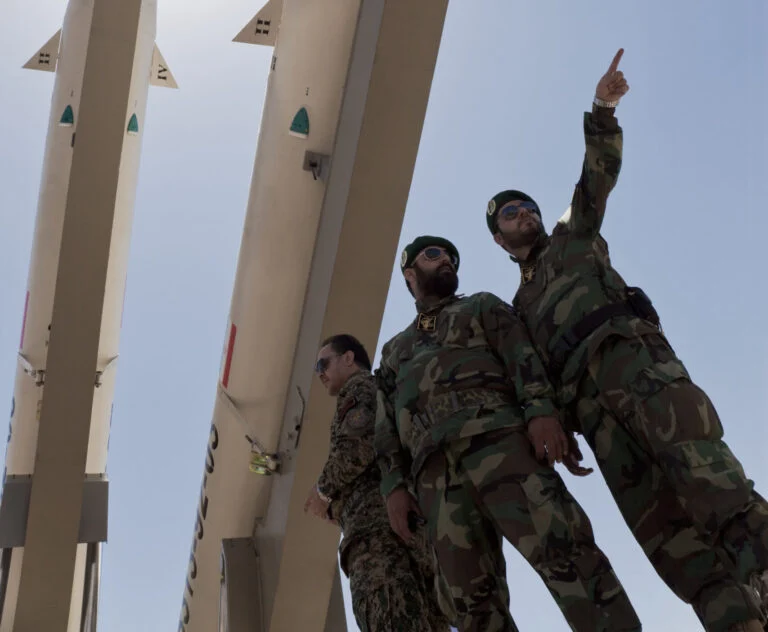
3+IRGC | photo by: Shtterstock
According to information provided by President Donald Trump to Fox News, the combined operation included the massive launch of 49 Tomahawk missiles alongside the deployment of fighter jets. The strikes heavily struck strategic assets located approximately 65 kilometers outside the capital, Tehran, as well as along Iran’s southwestern coast bordering the Persian Gulf. Trump described these strikes as particularly “brutal” and “violent,” and sent a harsh warning to Iran’s political and military leadership: “We will bomb the hell out of them tomorrow,” if the regime does not hurry to sign an agreement.
Meanwhile, the Revolutionary Guard claims to have launched heavy barrages of ballistic missiles and swarms of kamikaze drones toward 18 US military targets and naval assets deployed across the Middle East. According to reports on state media in Tehran, the retaliatory strikes targeted, among others, the Ali Al Salem and Ahmad al-Jaber airbases in Kuwait, the US Fifth Fleet Headquarters and the Shaikh Isa Air Base in Bahrain, alongside a targeted missile strike against the US Muwaffaq Salti Air Base in Azraq, Jordan, where Pentagon forces operate. Explosions were heard in Kuwait and Bahrain, and alarms were activated.