


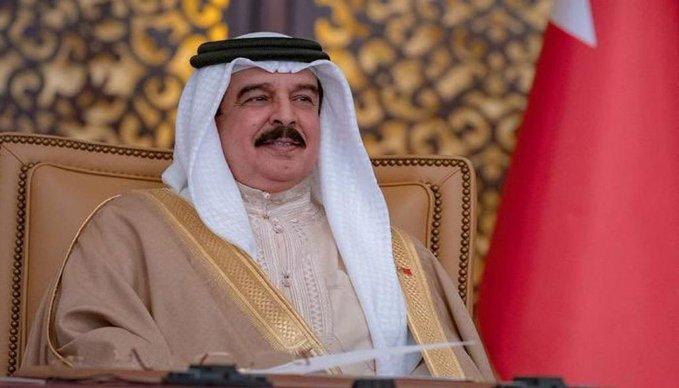

Air raid sirens warning of aerial attack sounded across Bahrain overnight Wednesday into Thursday, shortly after U.S. Central Command launched a massive wave of strikes inside Iran, with heavy American B-2 bombers spotted in Bahraini skies heading to their targets.

 2+
2+The sirens in Bahrain don’t operate in a vacuum. They’re a direct result of CENTCOMs announcement that the military began launching additional self-defense strikes under direct orders from President Donald Trump, in response to “Iran’s ongoing aggression.” Fox News confirmed that American bombers already hit targets inside Iran, including loud explosions heard in Tehran, blasts in Sinik and Minab, and activation of air defense systems on Qeshm Island.
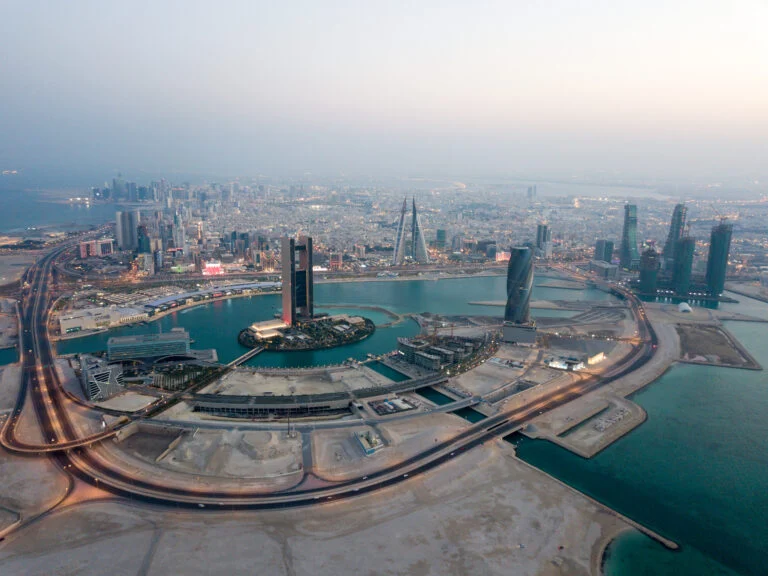
Bahrain has become the most sensitive focal point in the Gulf for several key reasons, chief among them hosting U.S. Navy headquarters. The sophisticated B-2 stealth bombers spotted in its skies tonight illustrate that the country serves as a central logistical and operational hub in the American campaign. Bahrain’s proximity to the naval combat zone amplifies the danger. Iran’s Mehr news agency already reported armed clashes in the Strait of Hormuz between Revolutionary Guard forces and American ships that came under fire.
 2+
2+According to The Wall Street Journal, Pentagon and administration officials defined the current military operation as “coercive diplomacy”—deploying massive firepower to force Tehran into concessions on its nuclear program and return to the negotiating table. War Minister Pete Hegseth, who arrived at Central Command headquarters in Florida, made clear that “tonight’s strikes against Iran will be clear and powerful,” after President Trump convened a Situation Room meeting and declared the U.S. would strike “very hard.”
In response to Western pressure, Iran pulled out its economic “doomsday weapon” and officially announced: “Starting now, due to the lack of security in the region, the Strait of Hormuz is closed to all types of vessels, including oil tankers and commercial ships.” The Iranian regime made clear that any ship attempting to pass through the strait will be attacked immediately.
 2+
2+Yemen’s foreign minister rushed to respond and condemned the American move, warning that this escalation endangers international peace and will drag devastating consequences across the entire Middle East. Meanwhile, the U.S. Embassy in Iraq issued an unusual Level 4 travel alert and warned of immediate closure of airspace in the region.
Now, on one side, the Iranian regime—through Parliament Speaker Qalibaf and President Pezeshkian—is sending a tough message that Iran “will not surrender” and will respond immediately. On the other side, Politico reports that Trump’s circle is trying to calm things down and clarifying that the president wants to keep the confrontation “below the threshold of all-out war” to allow for a diplomatic solution.