


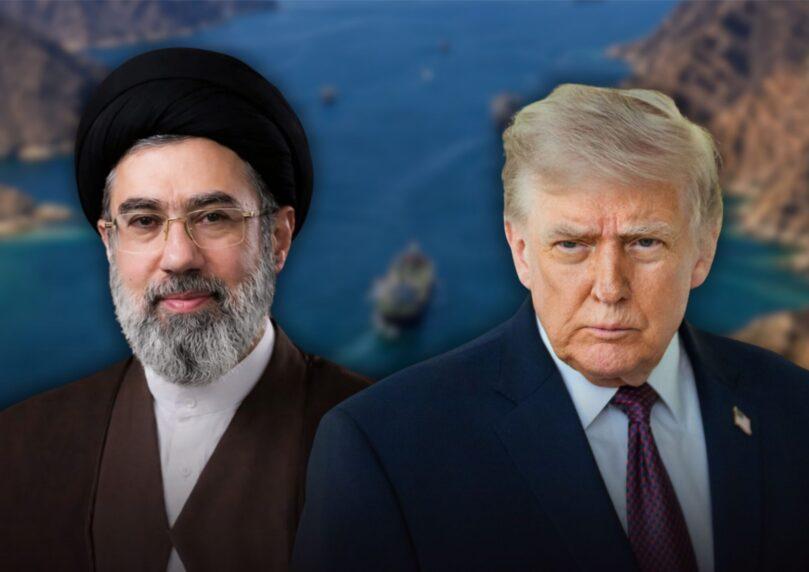

Classified details emerging from secret negotiating channels between the United States and Iran reveal the countries are on the verge of finalizing a framework for a historic nuclear agreement. The disclosure comes just days after White House envoys visited the Oak Ridge National Laboratory in Tennessee to prepare for neutralizing 11 tons of enriched uranium. However, the talks have reached a critical test point following recent events, including missile exchanges between Israel and Iran and the American strike in the Islamic Republic, the New York Times reported today (Wednesday).
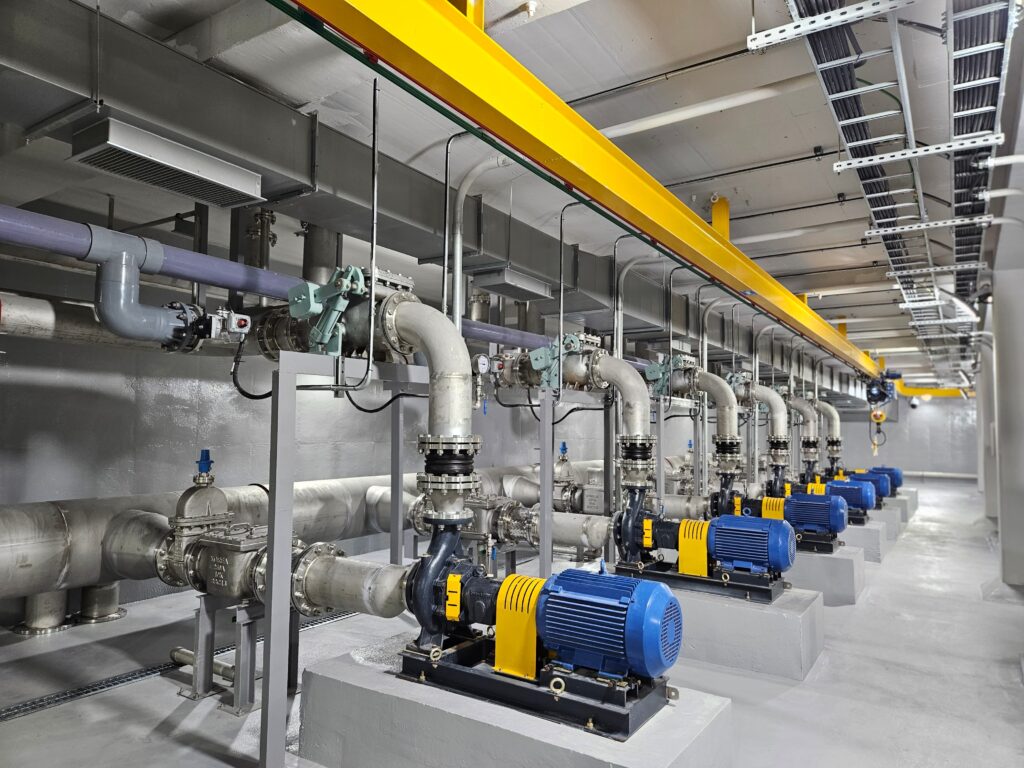
The secret contact between Washington and Tehran reveals a framework significantly tougher than the 2015 nuclear deal. Four core points currently on the negotiating table include: Long-term suspension of uranium enrichment—the United States initially demanded a complete halt to enrichment for 20 years. The Iranians proposed 10 years, but diplomats estimate the compromise will settle on 15 years. Trump recently hinted he would accept a compromise if it involves “real suspension.”
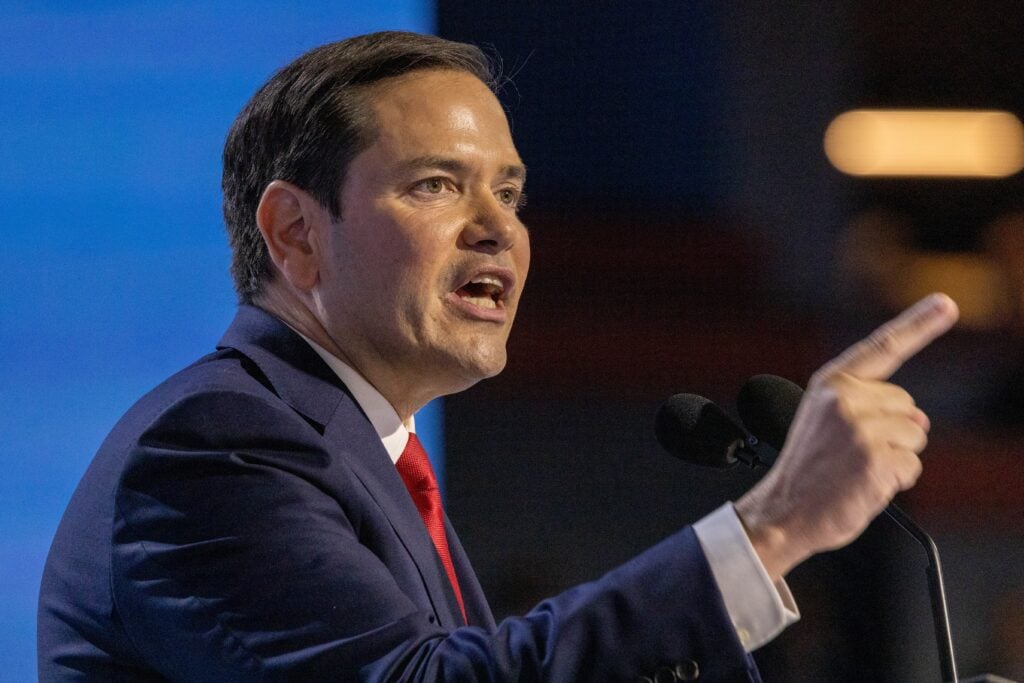
Additionally, the White House is demanding to take all 11 tons of uranium in Iran’s possession in cooperation with the International Atomic Energy Agency. Secretary of State Marco Rubio made clear the deal must include all stockpiles, not just weapons-grade enriched fuel. Trump addressed this in an NBC interview, saying: “We’re going to take it out and destroy it, whether that’s done on site or we take it out of the country.”
Furthermore, Washington is demanding the complete dismantling of facilities at Natanz, Fordow and Isfahan, which were severely damaged last year in Operation Midnight Hammer. Iran agrees to dismantle two but insists on keeping one facility operational as a symbol of its “right to enrich.” The final condition is an American demand to allow international inspectors entry at any time and any place, including Revolutionary Guard military bases that have been closed to them until now.
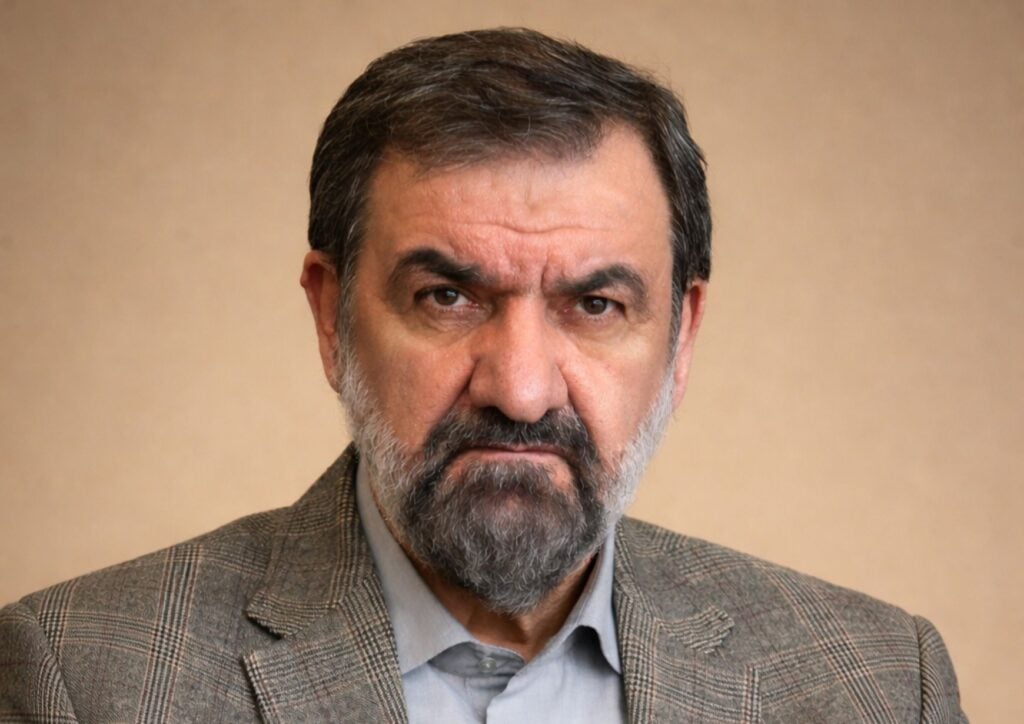
Alongside the technical provisions, the main obstacle in the talks remains economic—the timeline for releasing $25 billion in frozen Iranian assets. General Mohsen Rezaee, military adviser to Iran’s ‘Supreme Leader’, made clear the military’s position in a CNN interview, stating that without the transfer of funds, no deal will be signed.
Negotiations are advancing more slowly than Trump hoped. Senior administration officials, including Vice President J.D. Vance, estimated several times in recent weeks that the deal would be signed within days, but Iranian generals delayed their response and demanded first the unfreezing of funds, while the Americans insist on transferring them only as “progress payments” corresponding to implementation of deal phases—led by the opening of the Strait of Hormuz, which has been almost completely blocked for 101 days.
The secret communication channel between Iranian Foreign Minister Araghchi and American envoy Witkoff proved critical early this week. During the severe missile exchanges between Iran and Israel on Sunday and Monday, Witkoff used the direct connection to convey tough messages to Tehran urging it to stop the escalation. These conversations led to Iran’s declaration of a ceasefire, and following that Trump applied heavy phone pressure on Israeli Prime Minister Benjamin Netanyahu, aiming to cancel a planned IDF retaliatory strike inside Iran.
During these conversations with Netanyahu, Trump argued that additional Israeli strikes on energy and military infrastructure in Tehran would torpedo efforts to get Iran to give up its nuclear fuel stockpile. Just days earlier, in a recorded NBC interview, Trump referred to Iran’s new leadership and said: “They’re strong. They’re proud, but they’re going to have to make a deal because they have no choice.”
The geopolitical significance of the emerging framework is an enormous political and economic gamble by both sides. The Trump administration assumes, similar to the Obama administration 11 years ago, that Iran’s severe economic distress under the naval blockade and economic sanctions—which prevent it from selling oil globally and freeze its assets—will overcome the regime’s religious ideology.

However, the history of confrontation proves that hawkish elements within the Revolutionary Guards view resistance to the United States as the core of the Islamic Revolution, regardless of economic cost. As of now, the White House plan to begin detailed mechanical talks in Switzerland in mid-June stands under a big question mark. Iranian military commanders believe that downing American aircraft and closing the Strait of Hormuz give them significant leverage, and the recent mutual strikes could prove that the military echelon in Tehran wants to preserve the “nuclear threshold state” as its only guarantee of survival.