


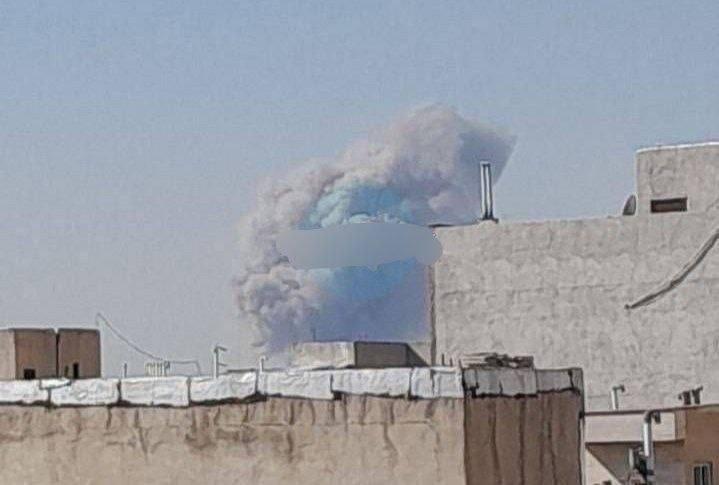

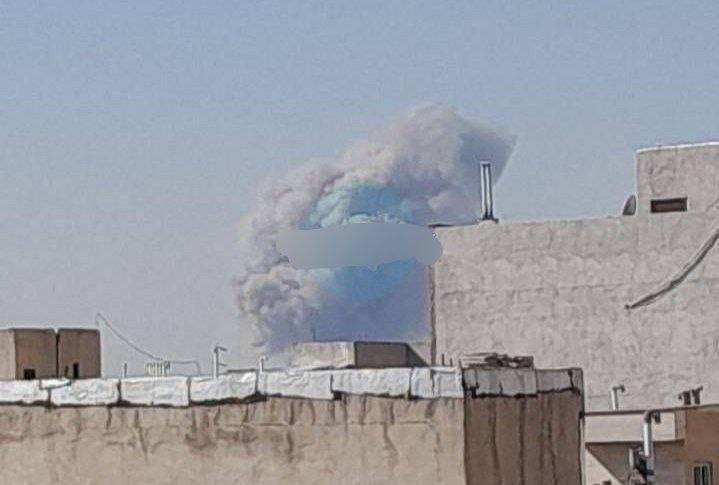
Israeli forces began a wave of direct strikes on Iranian soil overnight (between Sunday and Monday). The attack, which was executed following the missile barrages recently launched toward Israel, is accompanied by foreign reports of powerful explosions heard simultaneously in five major cities across the region. According to an Arabic report, Mehrabad Airport was bombed in Tehran. According to reports, the White House stated that “the United States was not involved in the Israeli strikes in Iran.”


 5+
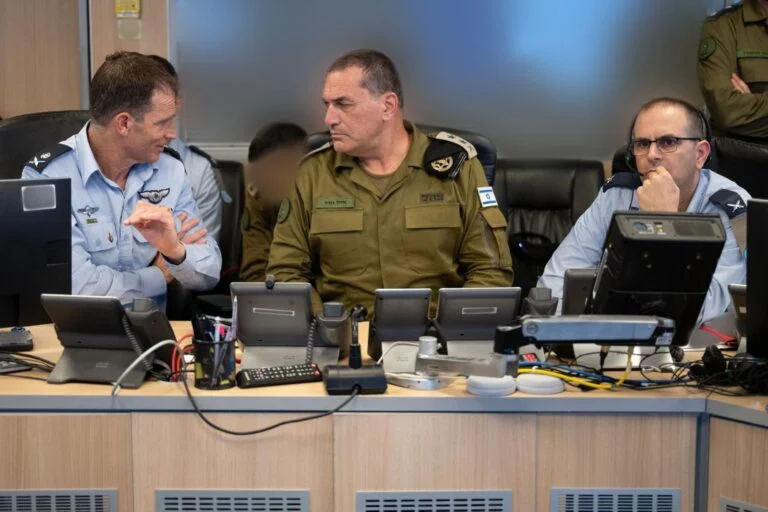
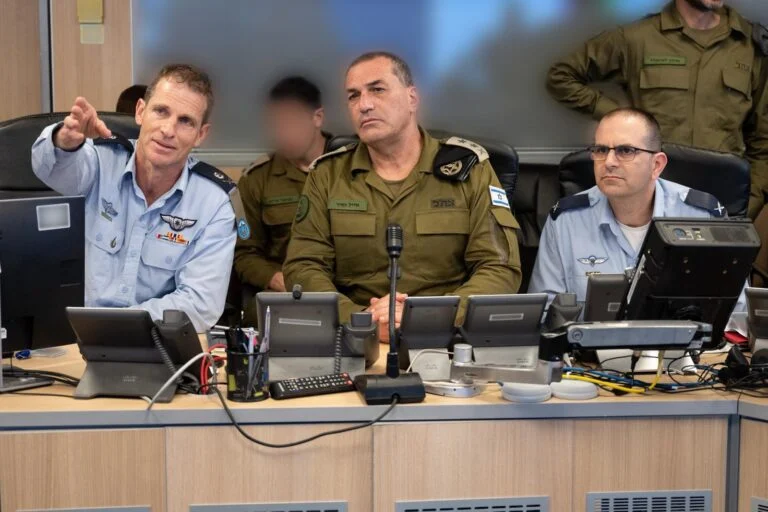
5+The IDF stated that “The Chief of Staff, Eyal Zamir, and senior IDF officials have held ongoing situational assessments over the past few hours and are commanding the IDF strikes in Iran from the Air Force bunker. The IDF is alert and ready for continued action in all sectors against whoever threatens the State of Israel.”
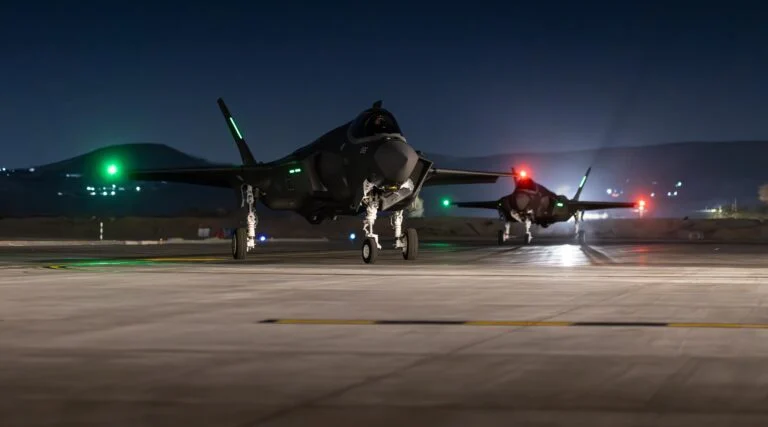
The Air Force’s military activity deep within Iran began following the aggression and missile fire carried out toward the State of Israel. Simultaneously with the IDF announcement, reports began flowing from Arabic sources regarding strikes and explosions heard concurrently in several countries and major cities across the Middle East.
 5+
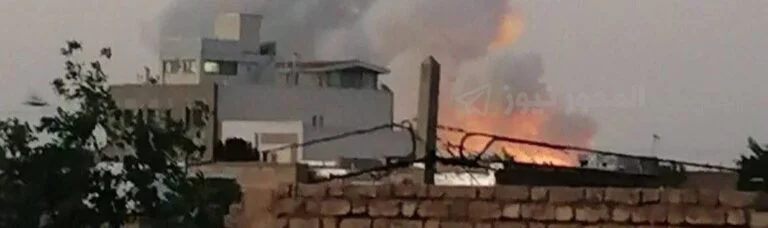
5+According to these reports, the sounds of powerful explosions simultaneously shook the following cities: in Iran – Tehran, Kermanshah, and Tabriz. In Iraq, there are also reports of a strike in Baghdad. In Iran, they have begun showing the extent of the damage caused by the latest wave of strikes, although information regarding the specific locations hit deep inside the country remains limited at this stage. According to updated data, the airstrike was carried out by Israeli fighter jets, which operated and passed through Iraqi airspace, from where they launched advanced long-range munitions and precision missiles at the Iranian targets.
As stated, the strike was carried out after a wave of launches from Iran toward northern communities, with Tehran claiming the fire was due to the “crossing of a red line”—a massive Israeli airstrike in the heart of the Dahiyeh district in Beirut, which served as a direct response to continuous violations of the ceasefire agreement by the Hezbollah terror organization.
 5+
5+At the same time, political sources reveal that U.S. President Donald Trump spoke directly with Netanyahu immediately after the attack and applied aggressive pressure on him to prevent an Israeli military response.
Trump made it clear that since “the missiles did not hit anyone,” an Israeli response could completely destroy American diplomatic efforts and the chance of reaching a comprehensive deal with Iran. According to reports, Netanyahu expressed firm opposition to the American stance but “partially agreed” to wait and hold back, at this stage, an immediate and public military response.
 5+
5+The heavy American pressure on decision-makers in Jerusalem escalated overnight when United States President Donald Trump chose to deliver sharp and unequivocal messages in public media interviews. In a special interview he granted to the Financial Times immediately following his conversation with the Prime Minister, Trump took a hard line, declaring: “I am the one who decides, Netanyahu does not decide. Netanyahu will have no choice but to accept a deal with Iran.”
The American president did not stop there, and in an additional interview with Fox News, he expressed prominent dissatisfaction with Israel’s military conduct in recent days, directly criticizing the breaking of the ceasefire in Lebanon: “The Israeli strikes in Beirut were not coordinated with us—I am not happy with them.”
 5+
5+Simultaneously with the pressure coming from Washington, senior officials in Tehran rushed to exploit the momentum, stating that, in their assessment, Trump is determined to end the war in the Middle East at almost any cost—a factor that dramatically increases the weight placed on the shoulders of the political status in Israel.
 5+
5+However, it should be noted that this public dissatisfaction could be a misleading move, as the Prime Minister and President Trump have previously used such steps in mutual coordination to mislead enemies and advance strategic processes. This is not the first time Trump has spoken out against Netanyahu in recent weeks. Just a few days ago, he confirmed that he had called the Prime Minister “crazy,” among other things, against the backdrop of the activity in Lebanon.