


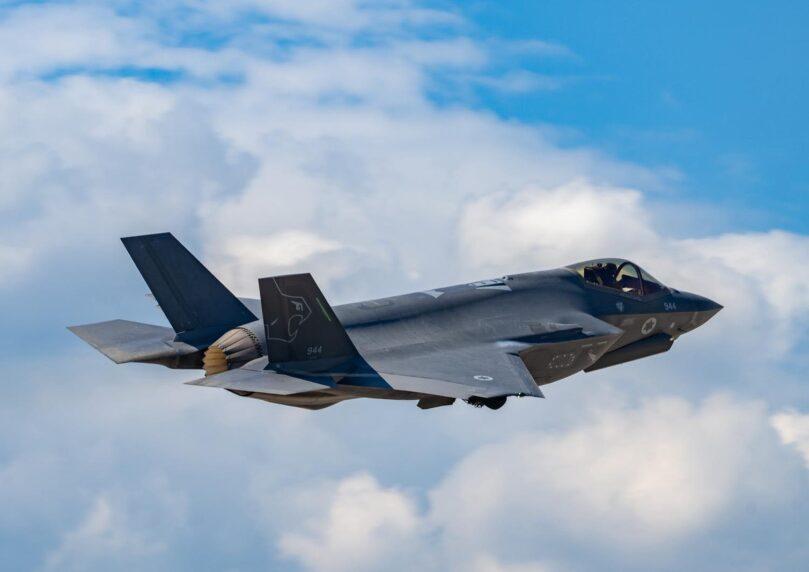

IDF’s strike today (Sunday) in Beirut’s Dahieh district is being viewed by Israel’s political and security establishment as a strategic achievement—not because of the damage inflicted on the target itself, but because of where it happened: the heart of Hezbollah’s stronghold, Channel 14’s political correspondent Tamir Morag reported.
According to Israeli assessments, Iran has been trying in recent years—and especially lately—to restrict Israeli freedom of action in Lebanon. Sources involved in the matter say Tehran exploited America’s desire to advance understandings and agreements with Iran to try to reduce the scope of Israeli strikes against Hezbollah. Still, the Dahieh strike is seen as a sign that there are limits to Iranian influence over how the campaign in Lebanon is conducted.
A political source told Channel 14 that “the goal is to establish a new equation: every Hezbollah attack on Israeli territory triggers a strike in Dahieh. Despite Iranian threats, the assessment is there will be no direct Iranian response to the strike.”
Israel estimates that Tehran understands direct escalation with Israel could trigger a significant response, so the likelihood of Iranian missile launches following the strike is low. Still, the security establishment continues monitoring developments and preparing for all scenarios.
In the background is ongoing tension over ceasefire terms in Lebanon. While Iran sought a full ceasefire that would significantly curtail Israeli activity, Israel sought to preserve broad freedom of action against Hezbollah. The result, according to assessments, is a system of rules that allows the IDF to continue operating against the organization with significant intensity, even if not without limitations.
According to figures presented in Israel, the IDF eliminated about 350 Hezbollah operatives in Lebanon in the past week alone—a number that represents, by the comparison offered, about half the number of operatives eliminated during the entire Second Lebanon War.