



The feverish talk about a political settlement in Lebanon sounds like a broken record replaying itself over decades. Once again American envoys are shuttling between Beirut, once again leaked drafts promise “international guarantees,” and once again it seems Israel is ready to buy temporary quiet at the price of strategic abandonment.
But before diving into the deal’s details, we need to ask one fundamental question: What’s the point of negotiations that don’t include the only party that actually controls the ground—Hezbollah?
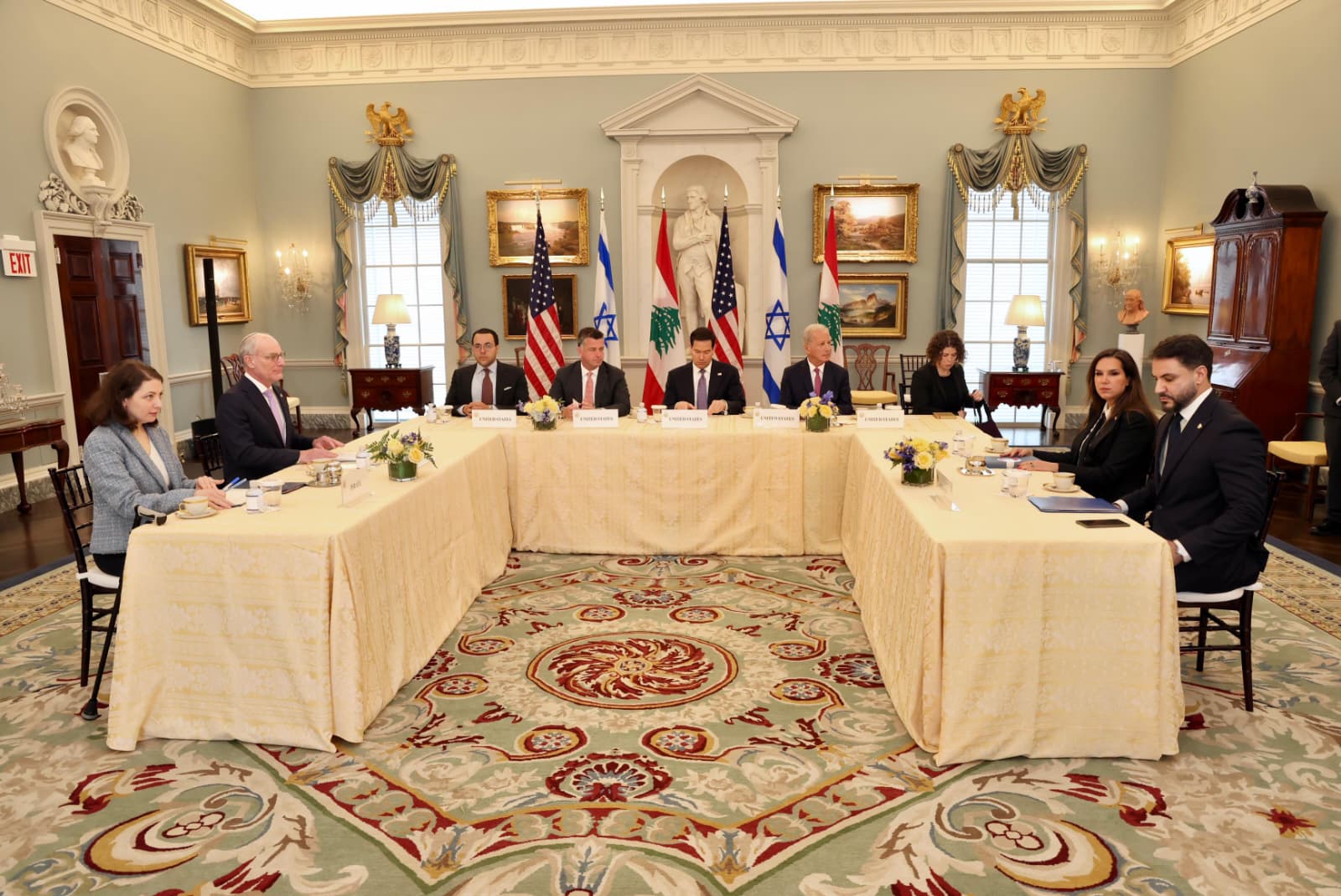
The engagement with Lebanon’s government is diplomatic farce. The attempt to portray Beirut’s government as a partner that can “enforce” Hezbollah’s disarmament is nothing less than delusion. Does anyone in the political echelon truly believe the Lebanese army—parts of which cooperate closely with Hezbollah—will launch a civil war to protect Israel’s border? Doubting Lebanon’s government sincerity and ability to confront the terror organization isn’t pessimism, it’s basic realism.
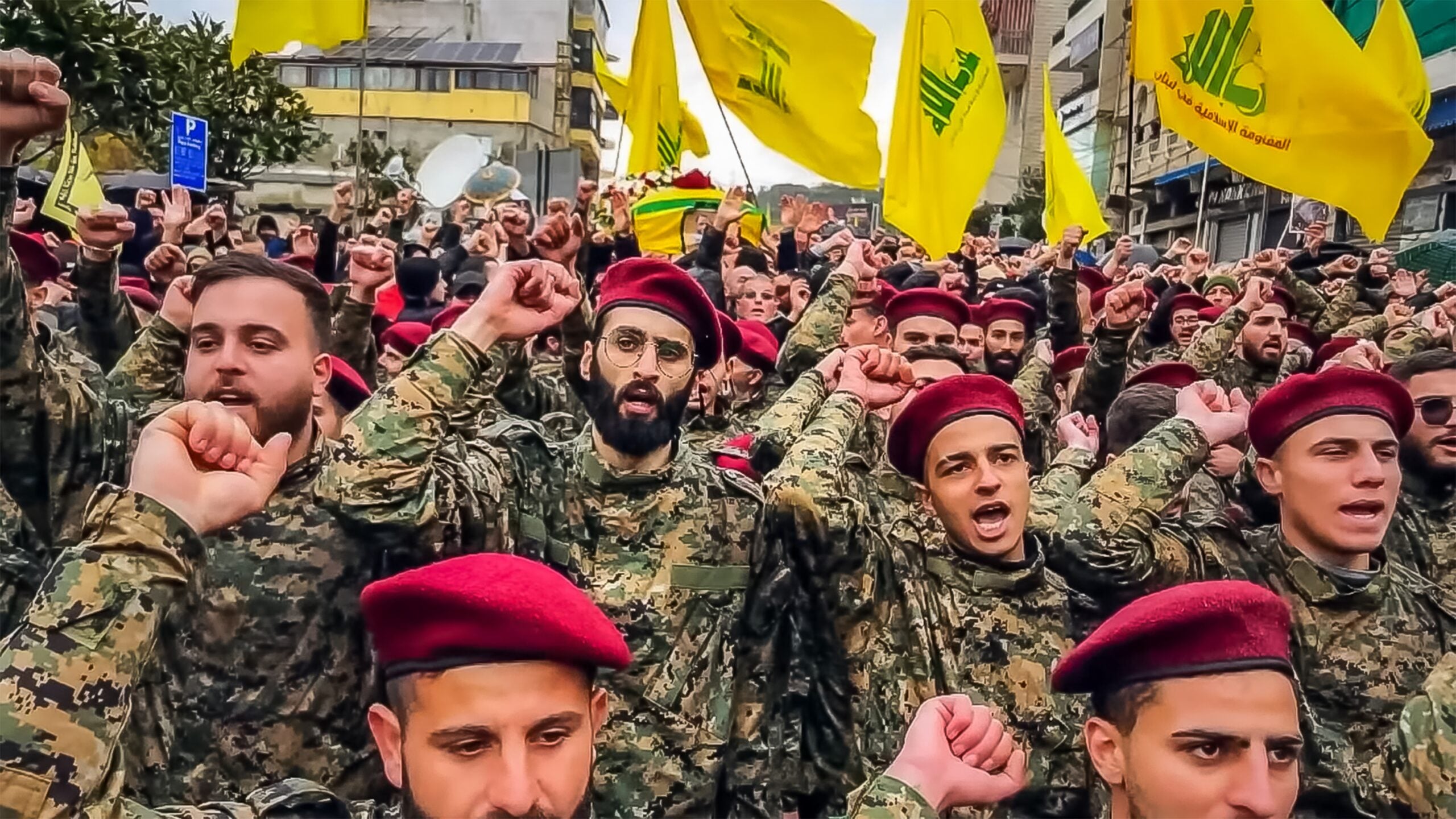
Disarming Hezbollah won’t be achieved by signing papers in Beirut; it will only be achieved through IDF firepower, systematic infrastructure destruction, and determined military action that doesn’t stop because of diplomatic pressure.
Yet within the justified criticism, we can’t ignore one central and surprising bright spot—one that marks a historic turning point in Israeli security doctrine.
Unlike every agreement Israel has signed with its neighbors since its founding—from the peace accords with Egypt, through the Oslo Accords, to the withdrawals from Lebanon and Gaza—the current agreement does not include an Israeli withdrawal from territory. This represents a dramatic paradigm shift.
For years we were raised on the formula of “land for quiet,” a concept that shattered again and again against the bleeding reality on the ground. Here we’re seeing adoption of a different doctrine, one that characterized Donald Trump’s years as U.S. president: Israel holds its territorial assets and doesn’t give them up for empty promises.
We saw this model take shape in Gaza, where Israel makes clear it’s staying in strategic points, and we’re seeing it now in Lebanon. This is an unusual innovation—Israel is no longer rushing to “pay” with territory to get a signature from the other side.
What we must insist on is that this bright spot doesn’t become a fig leaf covering failure of the central objective. Holding territory is an important tool, but it’s not a substitute for victory. If Israel’s government settles for “non-withdrawal” but leaves Hezbollah as an armed and threatening neighbor across the fence, it’s only postponing the end. The agreement with Lebanon’s government must not be a “Solomon’s agreement” where we get the territory but lose the security.
The path to long-term quiet in the north runs through crushing Hezbollah to dust, not through the diplomatic corridors of a powerless Lebanese government.