


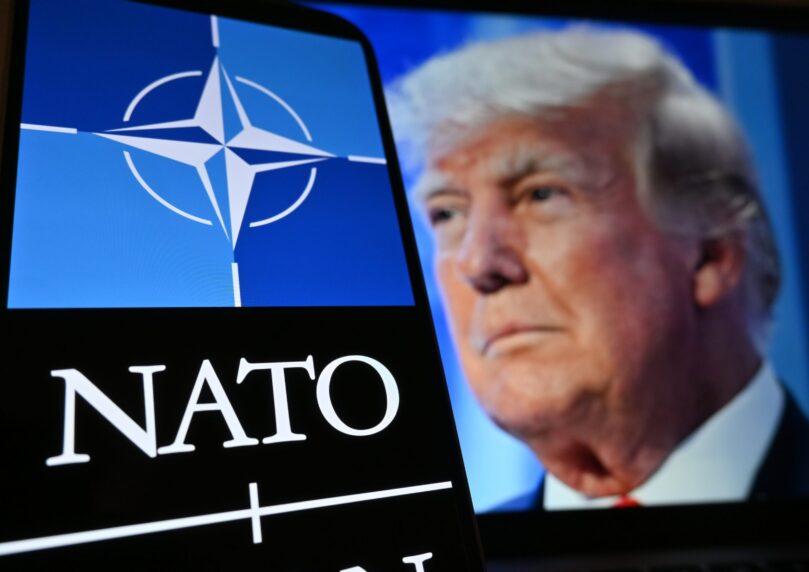

The United States is preparing to slash its military presence in Europe—and it’s happening faster than early estimates suggested. President Donald Trump is making good on his threats, advancing the withdrawal of American forces step by step. The Pentagon will present concrete plans to NATO in the coming weeks detailing which military capabilities and forces will be cut from the continent.
A senior U.S. Defense Department official confirmed the details in an interview with the German newspaper Welt am Sonntag. According to the official, the changes will be incorporated at NATO’s upcoming conference in June, where member states determine which forces they’ll commit to the alliance. The American cuts will be translated into practical work plans in the coming weeks.
Europe in a Constant State of Anxiety
The American move comes at a sensitive time for Europeans. A Russian drone recently struck the Romanian border city of Galați—an incident that badly shook the continent’s self-confidence and raised serious questions about its defense capabilities.
The New York Times described the current situation as “a constant state of anxiety.” Europeans are on edge due to a combination of factors: the war in Ukraine, Trump’s hostility, Moscow’s threats, and a weak economy.
Trump demanded increased payments from Europe during his first term. Since returning to the White House, he’s continued that line consistently. Now the U.S. is preparing actual cuts. The Pentagon official put the new policy bluntly: “Allies must take central responsibility for the conventional defense of Europe. They must do so quickly and with maximum efficiency.”
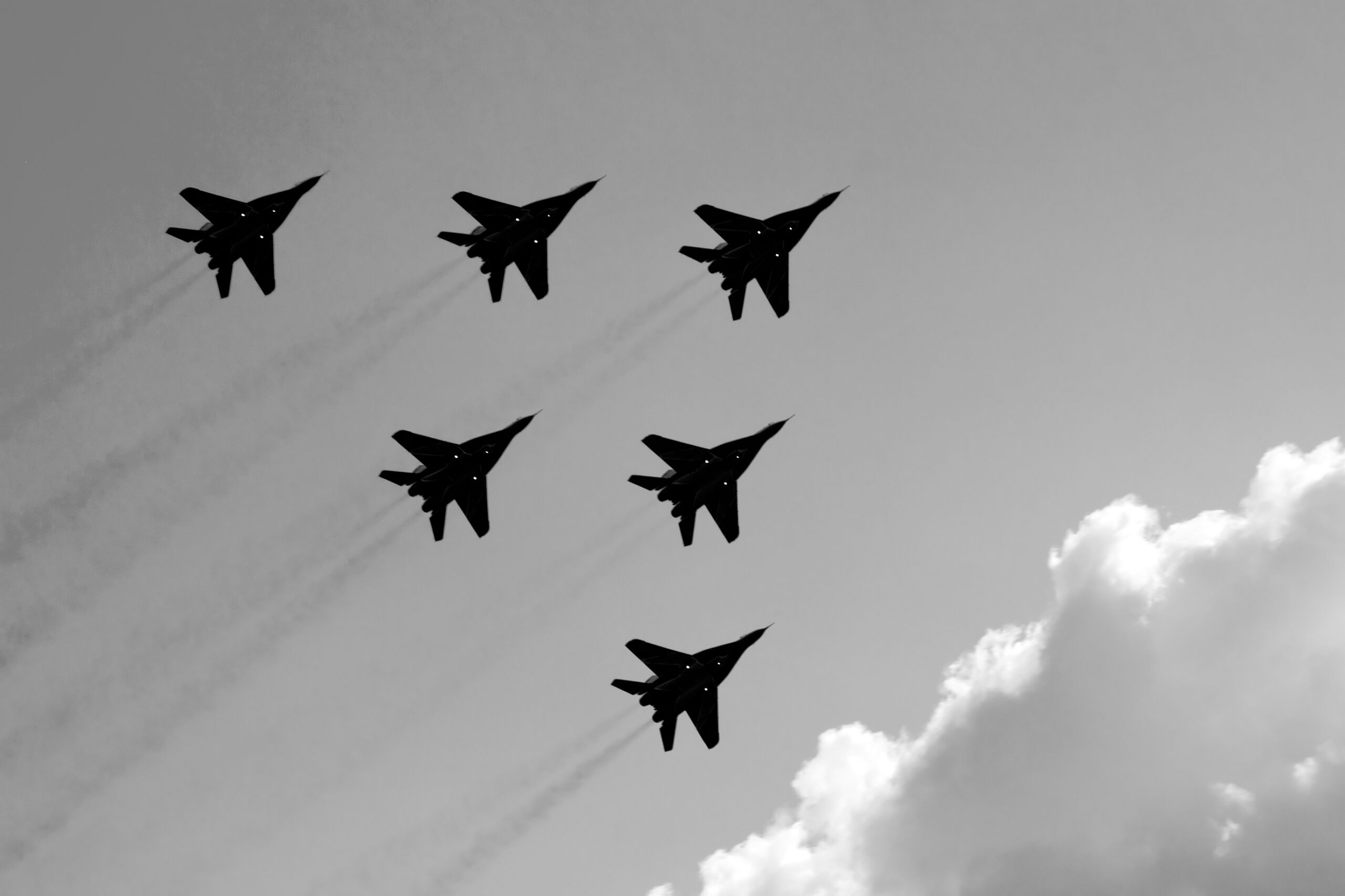
U.S. to Cut a Third of Its Fighter Jets
Signs of the American withdrawal already surfaced at the NATO meeting in Brussels, where U.S. defense advisor Alexander Velez-Green announced the intention to scale back.
According to a report in the German magazine Der Spiegel, Washington is considering a dramatic step—reducing American fighter jets in Europe by a third. The move could leave European skies far more exposed to Russia.
Despite the grim picture, experts are calling on Europe to show courage. Professor Timothy Garton Ash of Oxford University emphasized an important point: Trump’s withdrawal of support has made defending Ukraine harder but hasn’t paralyzed it.
Now, he says, Europe needs to rapidly develop an alternative strategy: “We must quickly develop a new strategy. European forces will need to provide a credible response on their own. They’ll have to repel a Russian attack alone. This is an enormous challenge and it’s absolutely necessary.”