


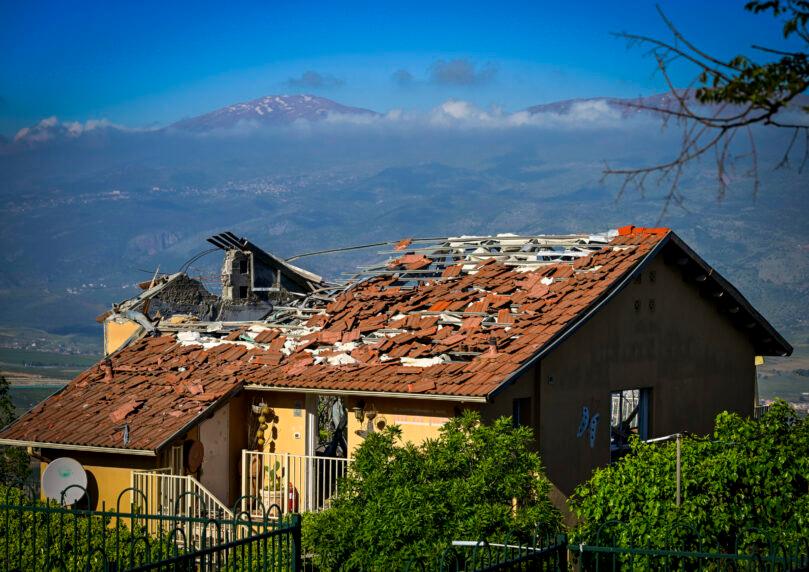

The changing security reality of recent months makes one thing clear: the IDF understands that Israel’s home front is no longer on the margins of the battle—it’s now an integral part of the main combat arena. The gradual operational shift from Operation “Rising Lion” to Operation “Roaring Lion” reflects a deep conceptual change, requiring civilian and security systems to adapt as quickly as possible to complex and dynamic threats.
Current civilian response planning rests on five core assumptions. First among them: preparing for a distinctly multi-front scenario with sustained threats from several theaters simultaneously—including Iran, Lebanon and Yemen—while managing unprecedented strain on the population.
Another starting point is that this is a prolonged campaign requiring maintaining functional continuity and preserving emergency system readiness over time, understanding that civilian space and critical national infrastructure will be a central target for attack. Alongside this, planning required maintaining high secrecy of operational activities, even at the cost of limiting visible preparations, based on the assessment that the enemy is on high alert allowing it to generate surprise potential at the tactical level on the ground.
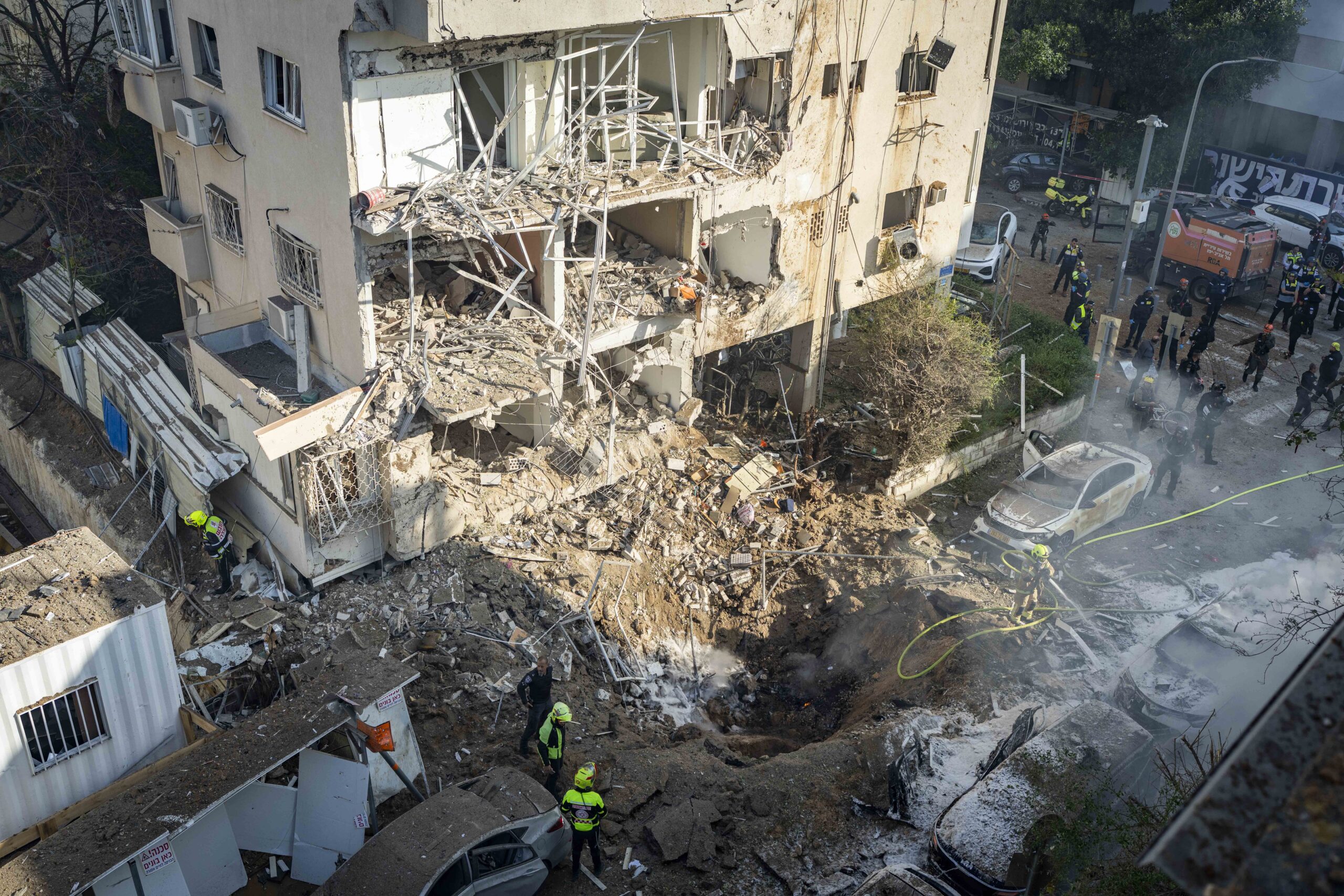
The most significant change recorded recently is the crystallization of the strategic concept that “Iran is here.” The campaign against Tehran is no longer conducted only in distant arenas—it directly and immediately impacts the home front, which functions as a front in every sense.
As a result, there’s been a sharp shift from traditional passive defense to managing an active home front that combines advanced warning systems, rapid rescue operations within minutes, precise instructions to the public, and maintaining the economy’s functional continuity. On the ground, this was expressed in raising unprecedented alert levels at headquarters and command centers, shortening response times, and significantly strengthening rescue capabilities at the tactical level.
As part of the operation, the “Northern Lion” program was implemented, focusing specifically on strengthening response and civilian assistance to residents of the confrontation line, while concentrating efforts in physical protection and strengthening local authorities’ readiness to manage emergencies.
In parallel, to meet these goals, an accelerated and continuous process of learning lessons from previous operations is underway, including structured incident investigations and force building that includes opening special training cycles, courses to strengthen rescue battalions, and headquarters exercises. These conclusions are being integrated on an ongoing basis both in the military space among commanders and in the civilian space with local authority heads, emergency officers and emergency organizations.
The Operation in Numbers: Scale of Activity Revealed
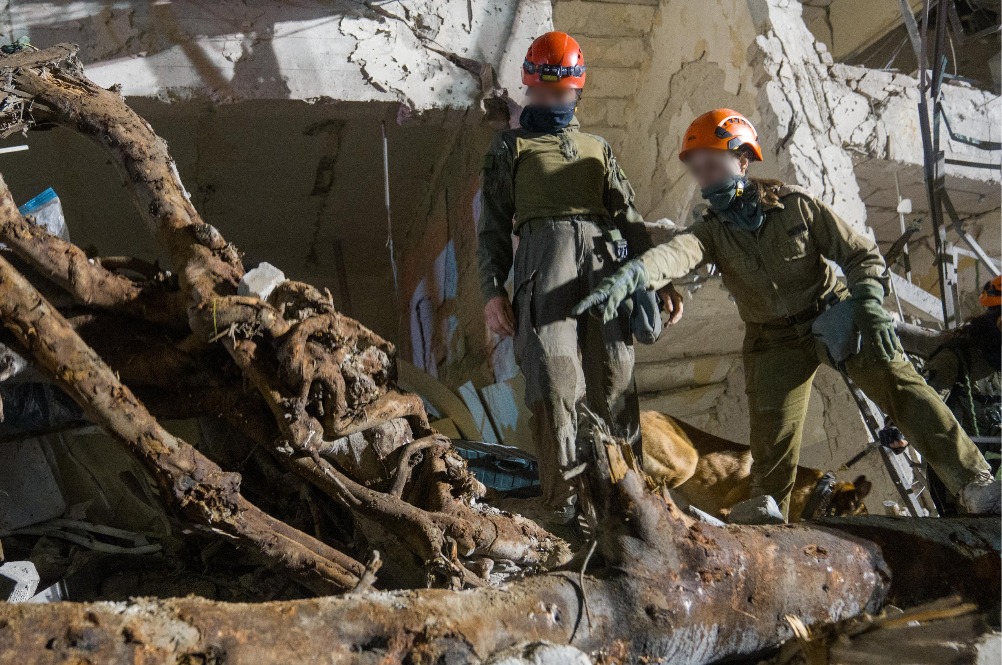
Behind-the-scenes activity data from managing the home front recently illustrates the scale of the challenge and indicates that emergency and rescue forces were required to respond to about 25 significant destruction zones. In total, approximately 1,200 incidents were handled in the context of the Iranian front, alongside about 100 incidents on the Lebanon front. Enormous effort was also invested in improving physical protection, with renovations of about 130 shelters (110 of them in the north) and deployment of about 755 protected spaces across the country (373 of them in the north).
Alongside the physical and operational response, broad emphasis was placed on resilience and public information; about 865 female soldier instructors were recruited and deployed to strengthen civilian resilience in communities, and in parallel 312 information products were produced adapted to different languages and special populations. This massive system is currently managed through 5 district headquarters and 20 sub-district headquarters, operating about 150 different deployment points in civilian space. This wide deployment is designed to ensure that wherever a response is needed, forces will operate quickly and professionally, understanding that saving lives is the supreme value guiding the entire campaign.