


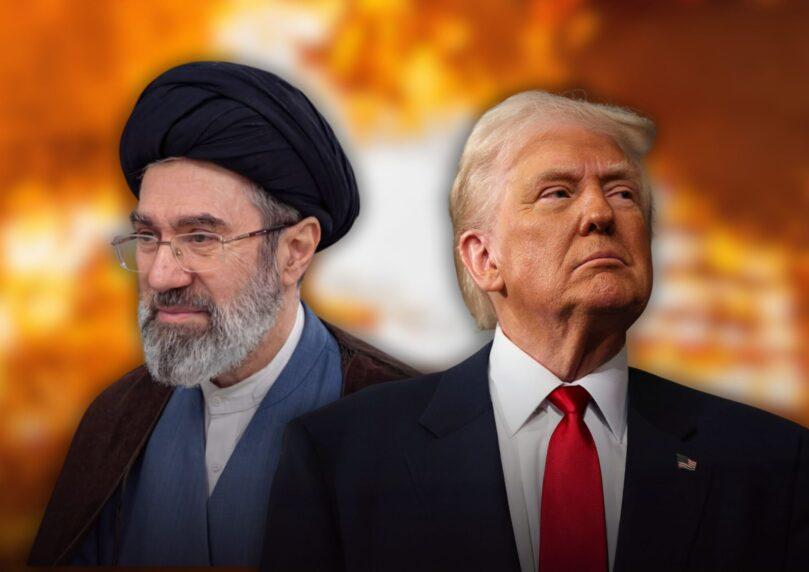

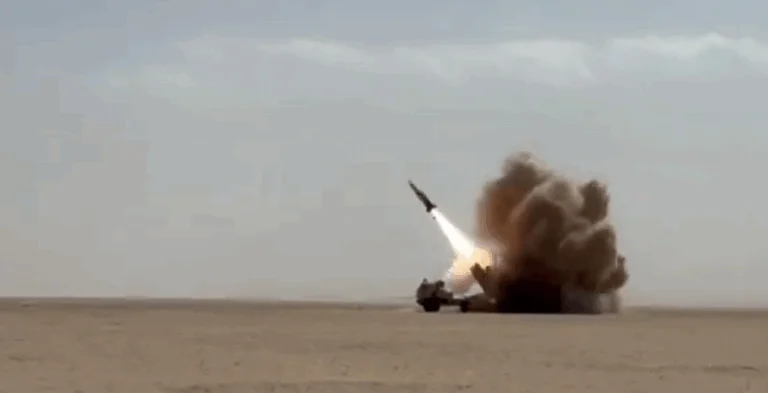
The U.S. military issued a formal statement today (Thursday) accusing Iran of seriously and blatantly violating the ceasefire. According to U.S. Central Command, the incident occurred overnight when Iran fired a long-range ballistic missile toward Kuwaiti territory.

 3+
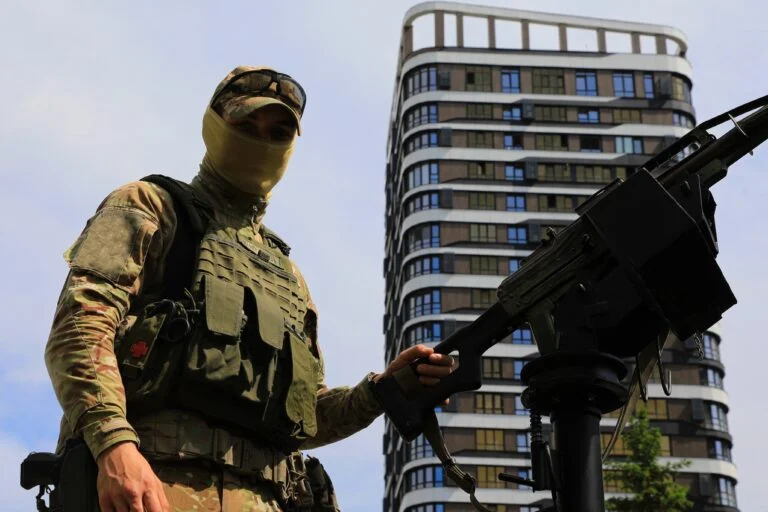
3+Kuwaiti security forces successfully intercepted the Iranian ballistic missile. The U.S. military described the missile launch as a serious and unacceptable violation by the regime in Tehran. The missile attack came just hours after another incident in the same maritime region.
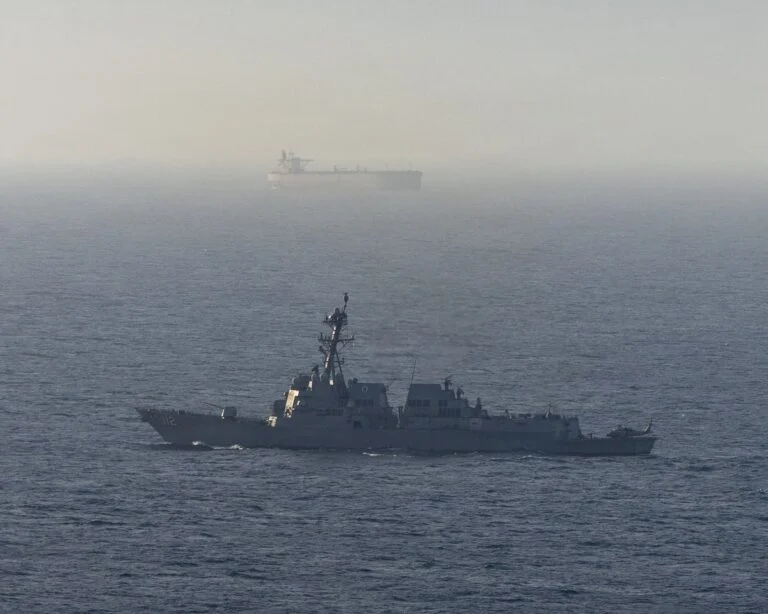
That same night, Iranian forces launched five suicide drones toward the sensitive shipping lanes. The Iranian drones posed a clear and immediate threat in and near the Strait of Hormuz. U.S. forces deployed in the area acted decisively and successfully intercepted all five drones.
 3+
3+American military operations also prevented the planned launch of a sixth drone from the ground. The sixth drone was set to launch from an Iranian ground control site located in Bandar Abbas. U.S. Central Command and regional partners made clear they remain vigilant and measured.
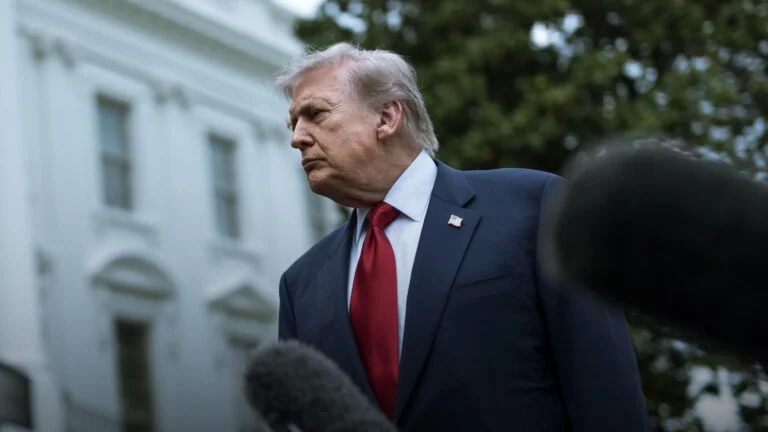
This military escalation comes at a sensitive and critical moment, amid frantic diplomatic efforts and Pakistani mediation aimed at achieving an initial and permanent peace agreement between Washington and Tehran. The backdrop to the talks is the heavy economic pressure and naval blockade President Donald Trump imposed on Iranian ports, which has strangled Iran’s oil revenues, collapsed its currency, and led to over a million unemployed Iranians.
 3+
3+The Trump administration is conducting negotiations while wielding tough threats and unambiguous demands. The initial American goal is to ensure the full and safe opening of the Strait of Hormuz to international freedom of navigation for commercial and oil vessels, as well as the dismantling and removal of Iran’s stockpiles of highly enriched uranium, in exchange for temporary relief and subsidies on sanctions on its oil exports.
Trump himself has threatened that if Iran does not reach an agreement, the United States will expand the blockade and severely strike the country’s energy infrastructure and bridges. Secretary of State Marco Rubio made clear in the Cabinet that “diplomacy is always the first option,” but emphasized that the U.S. will not allow Iran to use its resources to finance terror.
 3+
3+Meanwhile, the Iranian regime, led by President Masoud Pezeshkian, is trying to maneuver between the severe economic stranglehold at home, skyrocketing food prices and fear of renewed street riots, and the desire not to appear as surrendering to American dictates.
In drafts Iran recently submitted through mediators, it agreed to remove some of its preconditions, such as the demand to lift the blockade before talks begin, and proposed discussing the opening of the Strait of Hormuz in parallel with receiving American guarantees to stop attacks and gain access to frozen Iranian funds abroad. However, Trump expressed dissatisfaction with Tehran’s recent proposals, called Iran “stubborn” on the nuclear issue, and made clear in his tweets: “No one is going to control the Strait of Hormuz.”