


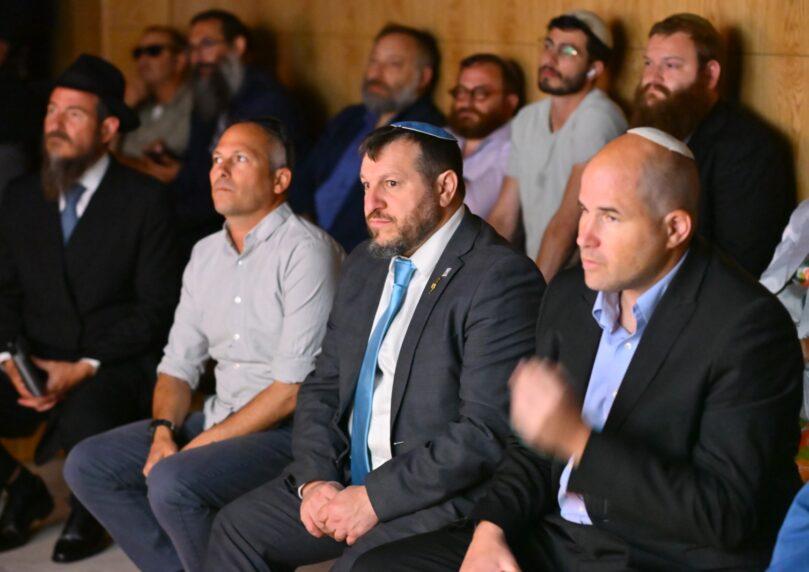

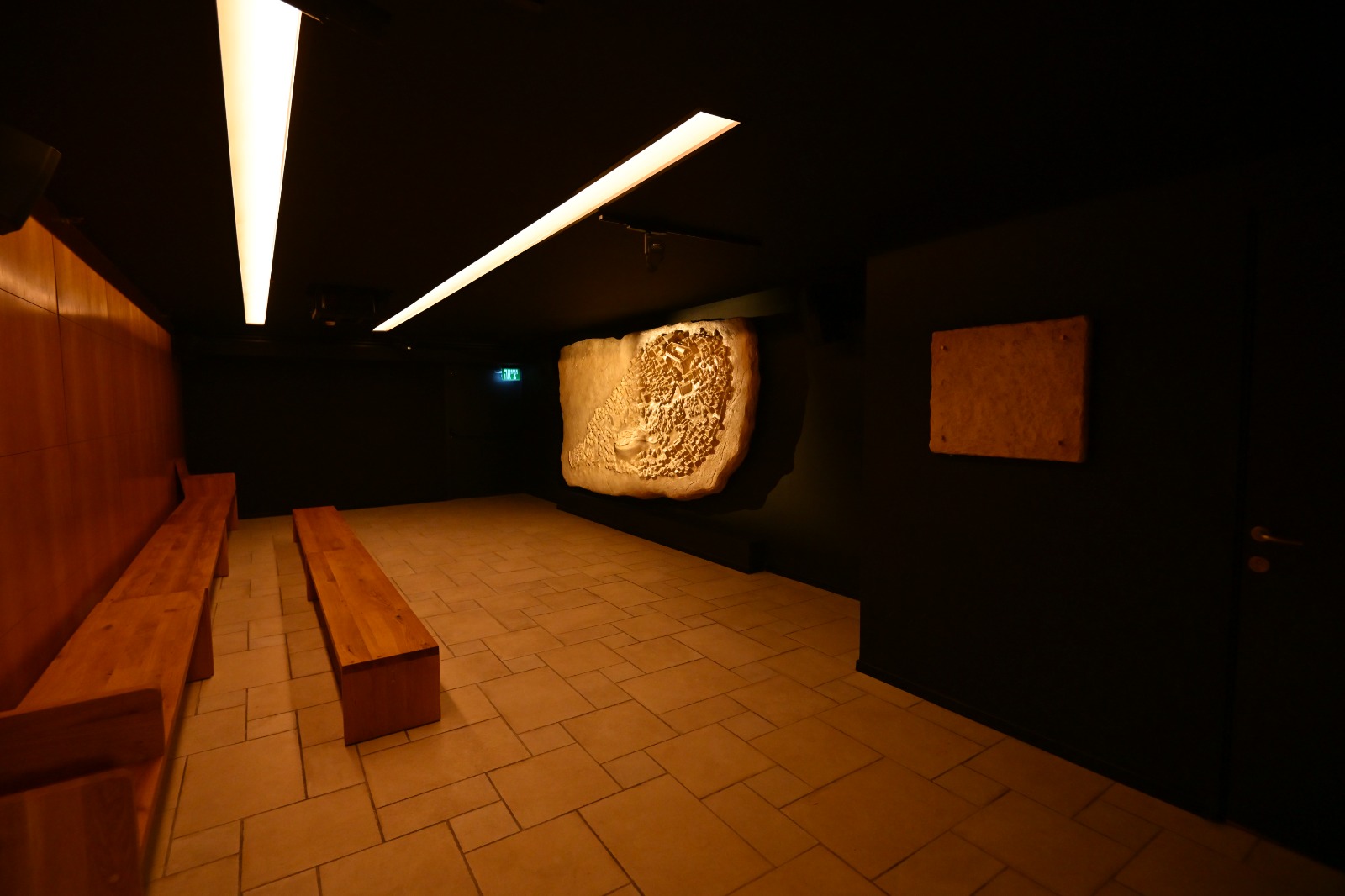
In a historic move to preserve Jewish heritage in Israel’s heartland of Judea, in Hebron, a high-tech visitors’ center has opened at the Field of Machpelah, featuring a multimedia presentation tracing Hebron’s Jewish history from the time of Abraham the Patriarch to the present day. The “Gateway to Hebron” visitor center showcases the historical significance of the site to the Jewish people, and reveals Chabad’s historic role in the city.
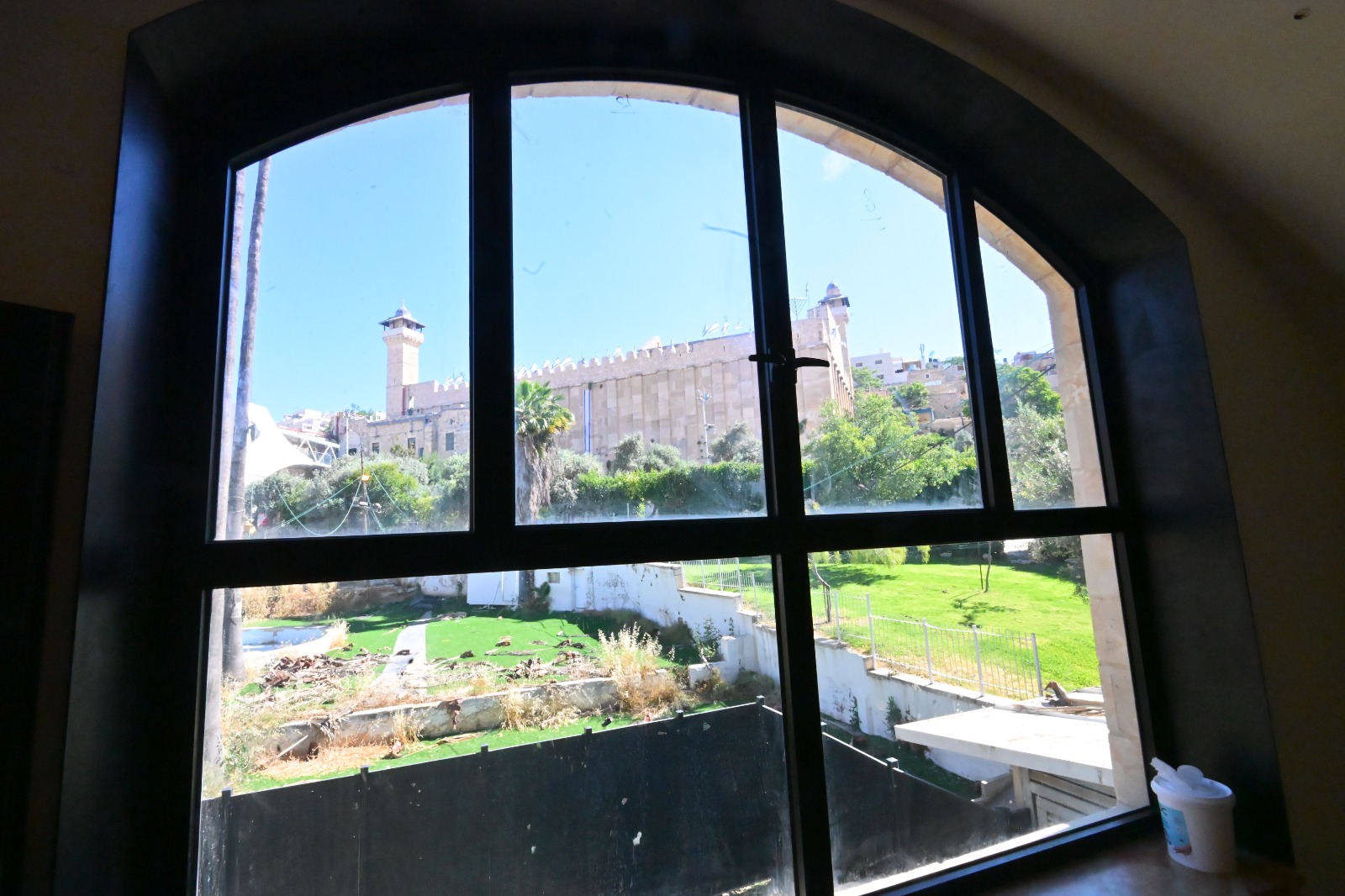
Gateway to Hebron offers visitors an immersive journey through the Jewish history of the City of the Patriarchs. The new project, launched this week by Chabad of Hebron, marks the opening of Phase One of the “Field of Machpelah” Visitor Center, a major educational and tourism initiative located directly across from the Cave of the Patriarchs.
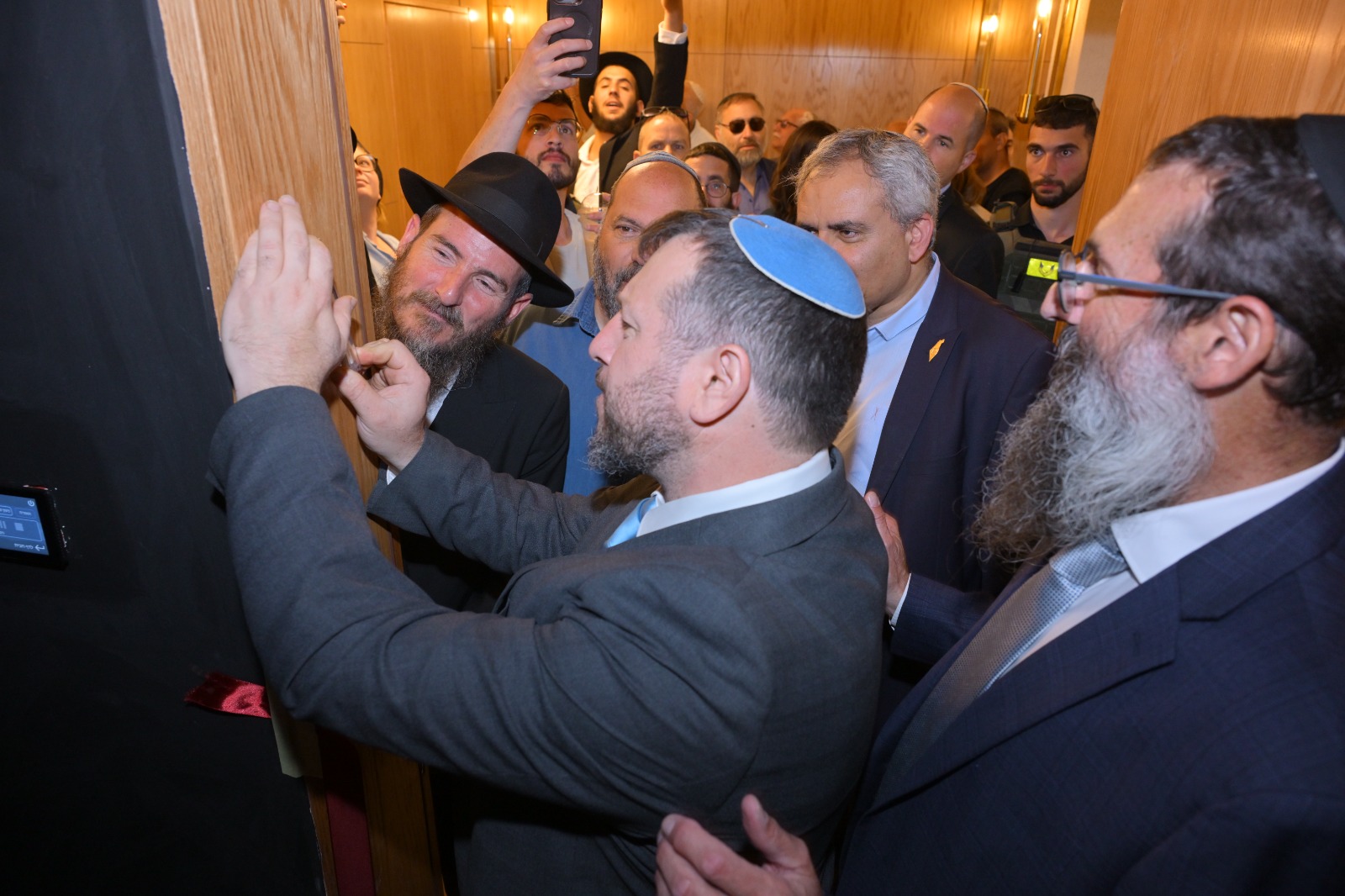
Israel’s Heritage Minister Amichai Eliyahu, said at the ribbon-cutting, “The UNESCO organization previously declared the Cave of the Patriarchs a ‘Palestinian’ heritage site. This is our answer to their lies. When an international organization tries to erase thousands of years of Jewish history through a false declaration, we do not respond with statements, but with practical acts of determined sovereignty. This visitor center will tell the true story of the Cave of the Patriarchs and connect the younger generation to its glorious heritage. Meanwhile, the clowns at UNESCO can continue making absurd declarations as much as they want, and we will continue to build, preserve, and pass on our heritage.”

 2+
2+Among the senior Israeli leaders attending the inauguration ceremony were Ministers Itamar Ben-Gvir, Amichai Eliyahu, Ze’ev Elkin, and Orit Strook, as well as local mayors, rabbinic leaders, and community representatives from Hebron and Kiryat Arba.
National Security Minister Ben-Gvir spoke about the personal and national connection to the site: “I personally have the privilege of raising my children here in the City of the Patriarchs, but all of Israel deserves the privilege of connecting to our fathers and mothers. The Cave of the Patriarchs is the place where Jewish ownership of the Land of Israel began, where Abraham our forefather purchased the land openly and legally. Strengthening the communities and returning to the City of the Patriarchs are part of returning to our roots. God willing, this visitor center will ensure that every Jew who comes here feels their deep connection to this place.”
 2+
2+According to the organizers, many visitors currently come only to pray at the Cave of the Patriarchs and leave without discovering the city’s broader Jewish history and heritage sites. The new center aims to change that by introducing visitors to additional historic locations throughout Hebron, including the ancient Jewish cemetery and the resting place of Rebbetzin Menucha Rachel Slonim, a central figure in early Chabad history in the city.
“Throughout the generations, the Rebbes of Chabad strongly supported and encouraged Jewish life in Hebron,” said Rabbi Danny Cohen, director of Chabad of Hebron. “This center allows every visitor, from every background, to experience the deeper story of Hebron and strengthen their personal connection to the city of our fathers and mothers.”
 2+
2+Chabad representatives noted that the connection between Chabad and Hebron dates back centuries, beginning with the Alter Rebbe, founder of Chabad, who sent financial support to strengthen the city’s Jewish community. The Mitteler Rebbe later purchased property in Hebron and famously called upon Chassidim to help build and support the Jewish settlement there.
The project was developed by Chabad of Hebron with significant private support, together with assistance from Israel’s Ministry of Heritage. Organizers say this newly opened phase is only the beginning of a much larger vision for the site’s future.