



Political analyst Tamir Morag said today (Wednesday) that the U.S. naval blockade on Iran is proving more effective than military strikes, costing Tehran between $400 and $450 million per day—roughly $12 to $13 billion per month.
“This isn’t a situation they can sustain long-term, which is why they’re so eager to end this,” Morag told interviewer Boaz Golan. He argued that beyond the options of signing a new deal or launching a major military operation, there’s a third path: maintaining heavy economic pressure.
The blockade, Morag said, is the most painful tool against the Iranian regime—possibly more than renewed bombing, unless oil infrastructure is targeted. “This is what hurts them most. More than resuming the bombardments.”

As for how long the regime can survive under these conditions, Morag estimates not weeks but five to six months. “In the end they’ll reach a point where, in the simplest terms, there won’t be food in Iran,” he said.
That scenario could trigger civil unrest threatening the regime’s stability. Morag explained that once people have no food, they take to the streets despite the risk. “When those two options face each other, people go out to the streets.” It’s a scenario, he said, that Iran’s leadership wants to avoid.
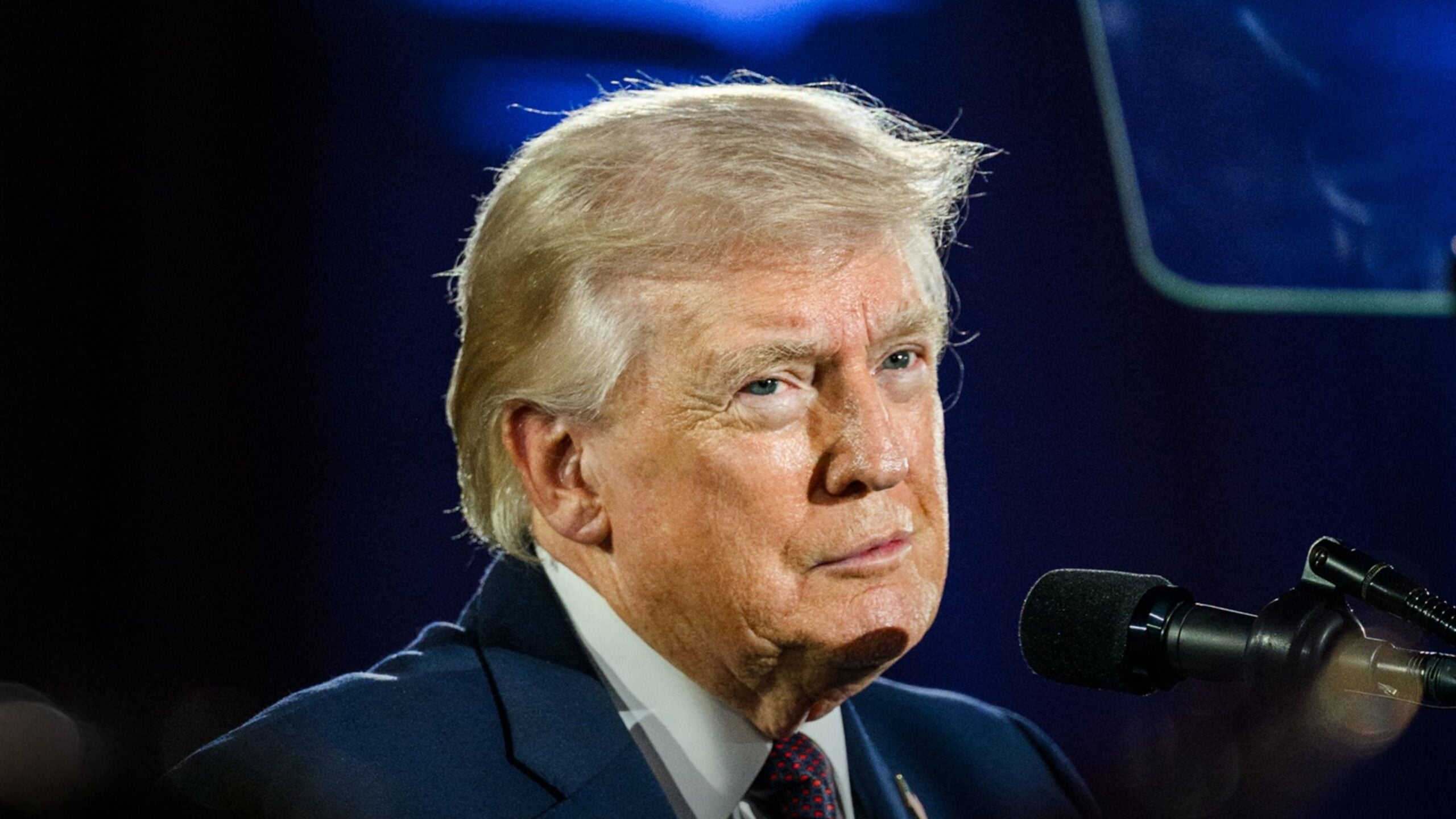
Despite the heavy pressure, Morag emphasized it’s hard to predict the United States’ next moves given President Trump’s inconsistency. He noted that last week Trump ordered an attack on Iran and reversed course at the last minute.
“Sometimes even Trump himself doesn’t know, or more accurately, no one in the world knows,” Morag said, adding that “if the blockade continues long-term, the Iranian regime will be forced to fire in all directions to try to end this.”