



A massive community supermarket in Brooklyn has been torn apart by a political storm after members voted Monday night to impose an official boycott on Israeli products.
Unlike traditional commercial supermarkets, the Park Slope Food Coop operates on a shared ownership model: consumers run the store themselves, pay membership fees, and are required to contribute several hours of monthly work stocking shelves, cleaning, or working the register in exchange for high-quality products at discounted prices.
Because the New York neighborhood has a large Jewish community, many co-op members are Jewish—turning the debate over removing Israeli products like hummus and matzah from the shelves into a months-long battle that spilled into Brooklyn’s streets. Tensions peaked last month with an antisemitic outburst during a member meeting and harsh false accusations against Jewish customers of “supporting genocide.”
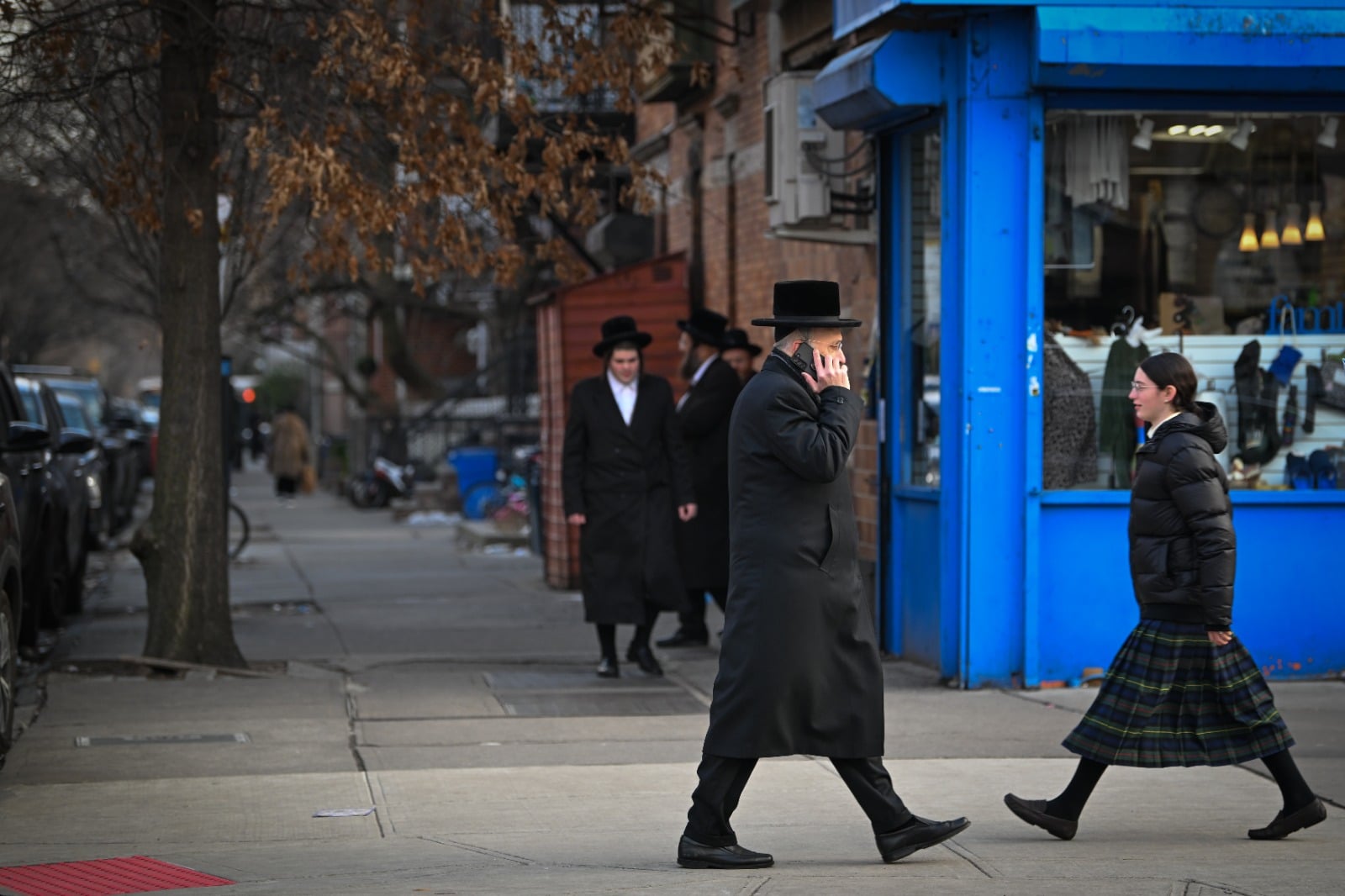
Due to the extreme tension and growing fear, the decisive meeting wasn’t held in person but moved entirely to Zoom, after many Jewish customers reported concerns for their personal safety if they had to show up physically.
Despite the remote format, a staggering 7,000-plus participants (out of 15,000 total members) logged on to vote digitally. It was the largest turnout in the community institution’s 53-year history. By comparison, a similar vote held in 2012 drew only about 2,000 people, and routine meetings typically attract just a few dozen.
In the end, the boycott passed on Zoom with 67% of the vote, versus 31% opposed and 2% abstaining. Still, the final word belongs to the co-op’s board of directors, which isn’t legally bound to accept the members’ decision, though it’s supposed to take it into account.
The boycott’s approval was made possible by a surprise bylaw change enacted that same evening on Zoom. Under the co-op’s original rules, approving a product boycott required a supermajority of 75% of votes. But at the start of the night, boycott supporters introduced a proposal to change the bylaws, setting a new threshold of just over 50%.
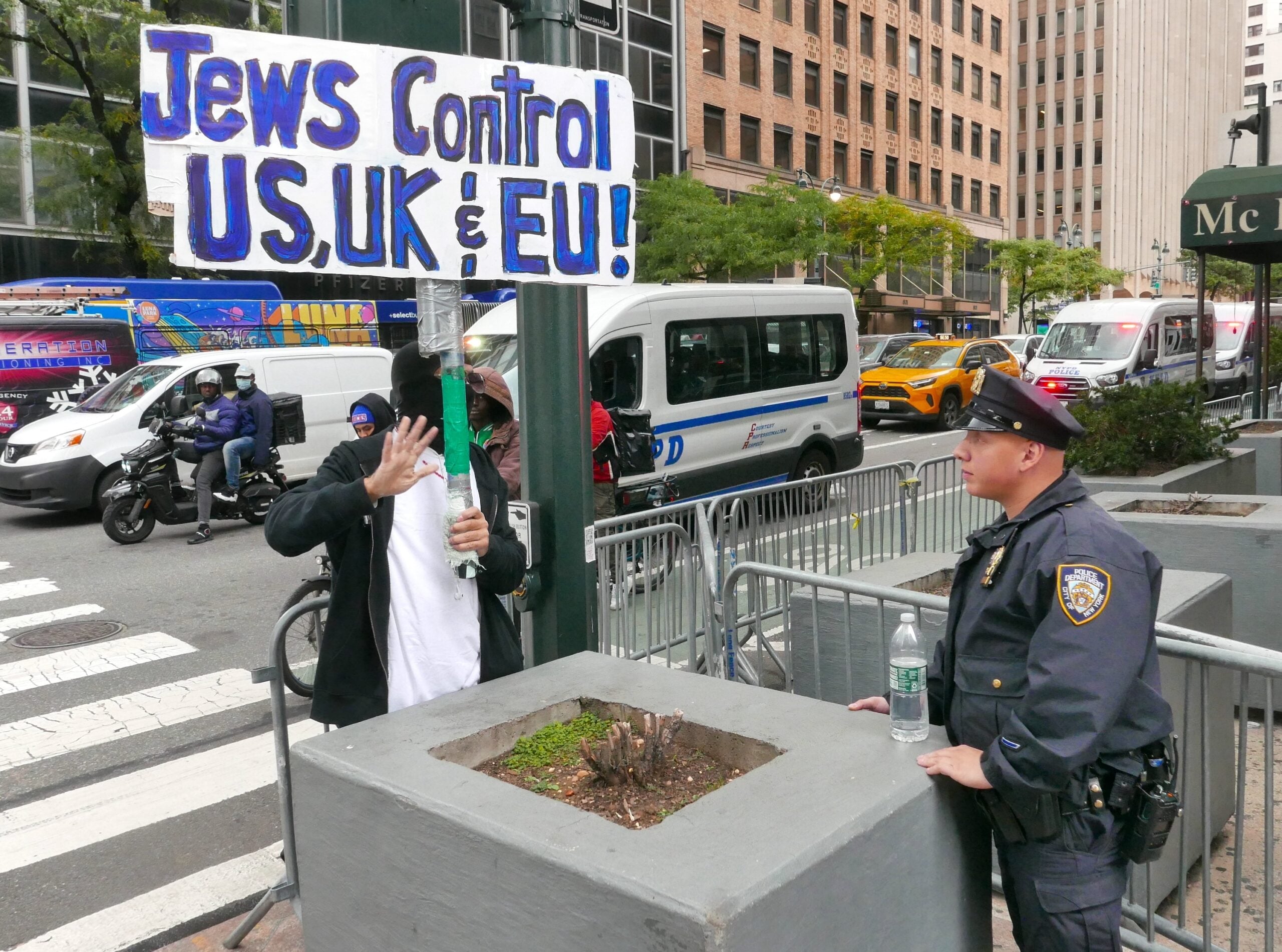
The rule change passed with 61%, took effect immediately, and paved the way for the boycott to pass in the vote that followed. Without this legal maneuver, the boycott would have failed completely. The meeting itself was plagued by technical glitches, with Zoom’s voting system breaking down repeatedly, forcing multiple voting attempts and requiring hand-raising to continue the discussion into the night.
The outcome sparked fury among Jewish customers, who described deliberate silencing. According to them, during the meeting a motion passed to move immediately to the voting stage, without giving boycott opponents any chance to speak on camera.
“The motion to move to a vote came up right after only the pro-boycott group spoke,” said one participant who asked to remain anonymous. Another member added: “This is the first time in 15 years that we’ve voted on something without any discussion.” Some members now estimate the rushed rule change will soon lead to a lawsuit.
Ramon Meislin, a longtime member, summed up the new reality sadly: “This supermarket used to feel like Brooklyn’s living room. Now every meeting feels like judgment day.”