


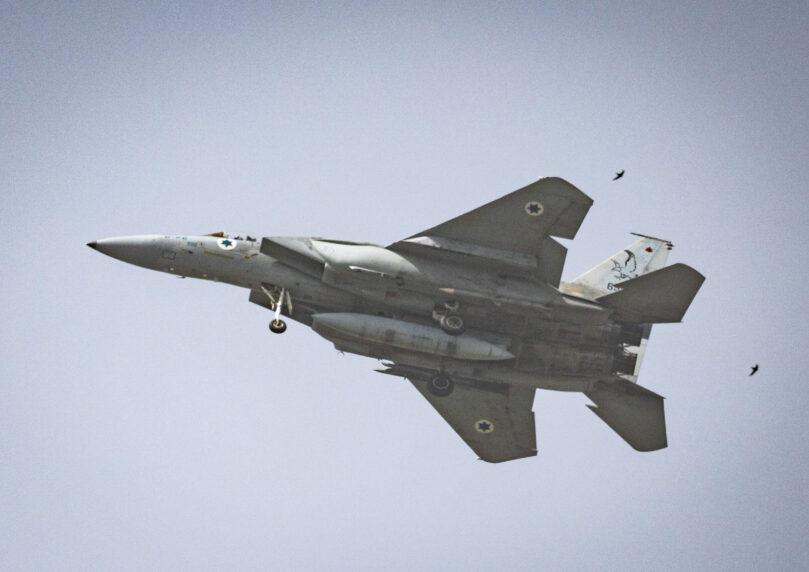

Prime Minister Benjamin Netanyahu and Defense Minister Israel Katz held talks yesterday (Monday) and are now leaning toward a decision to significantly expand operations in Lebanon. The IDF has prepared a comprehensive strike plan that includes intensified attacks on infrastructure and buildings used by Hezbollah, and military officials are recommending immediate execution. Despite American pressure, Jerusalem is signaling: the rules of the game are changing.
For the first time since the ceasefire period began, a dramatic development is unfolding at the top political-security level. Following an escalation in drone and UAV attacks, Netanyahu and Katz may soon decide that the IDF will expand operations in southern Lebanon while simultaneously approving a shift in strike policy—more attacks on buildings and infrastructure used by Hezbollah.
The IDF has built a significant and comprehensive strike plan awaiting political approval, which commanders are recommending for immediate execution. These decisions are expected after a particularly difficult month in the northern sector: 11 killed, mostly by explosive drones in southern Lebanon, ongoing attrition along the confrontation line, and growing anger among northern residents.
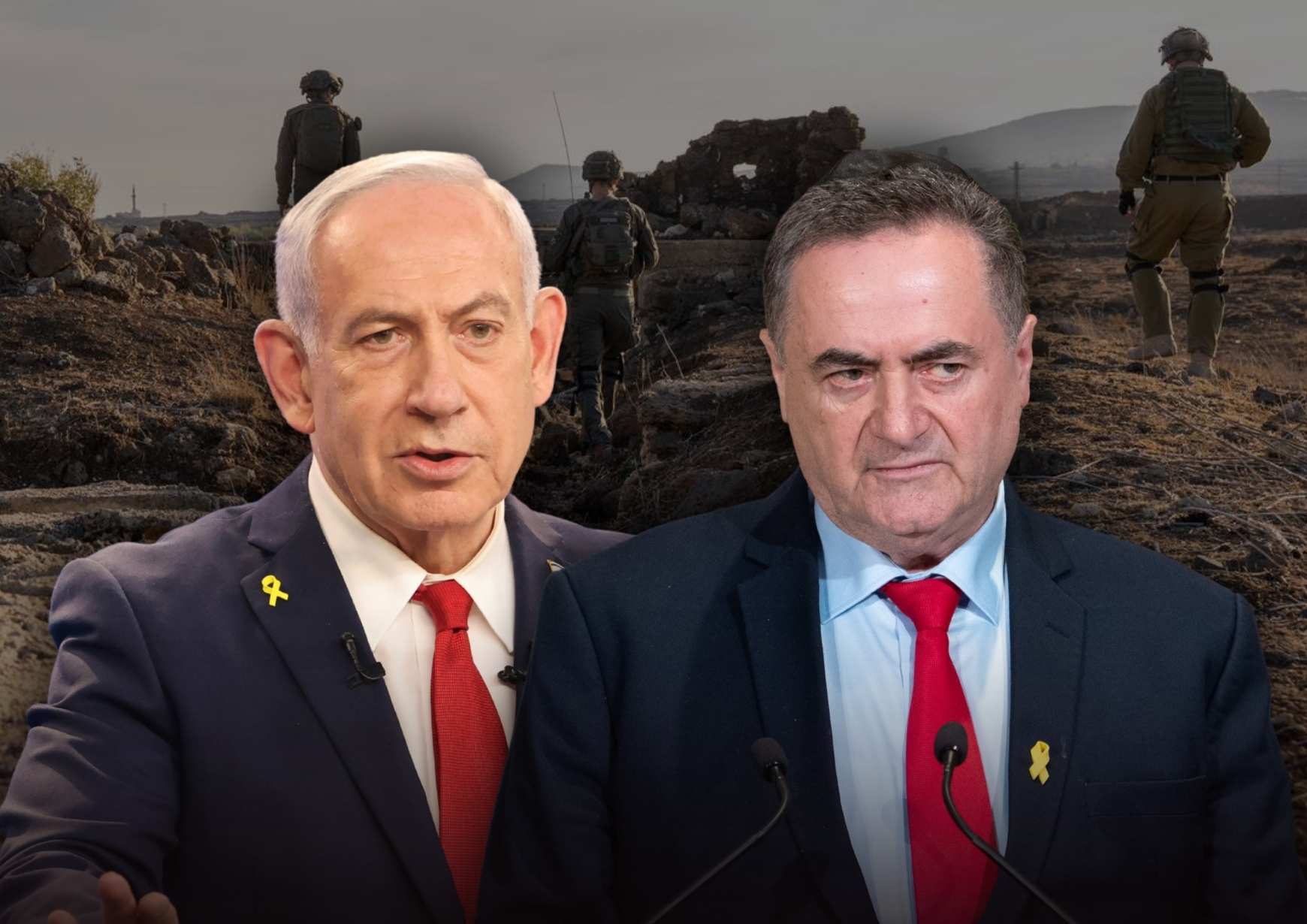
But public pressure isn’t the only factor driving the decision. Sharp criticism has also emerged from within the security establishment itself, with soldiers and senior commanders arguing that current policy isn’t creating deterrence and isn’t changing the reality on the ground.
In the background, the ceasefire with Iran looms large, along with heavy American pressure—especially from President Trump—to avoid deep strikes in Lebanon. Yet despite this, Jerusalem is signaling tonight: the rules of the game are changing. As long as the drone, UAV, and rocket terror from Hezbollah continues, the strikes will intensify and escalate.