


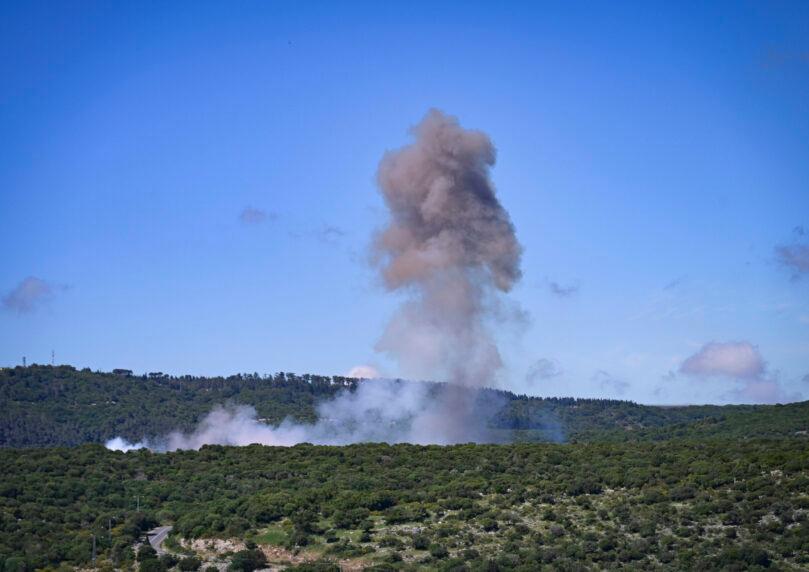

Residents along the confrontation line waited weeks for the holiday, hoping to see it packed with tourists. Instead they were forced to endure a holiday under fire. Dozens of sirens pierced the air since the holiday’s eve, mainly due to hostile aircraft infiltrations and explosive drones launched from Lebanon in what the leadership insists on calling a “ceasefire.”
In Shlomi, despite declarations about returning to routine, parents report that about half the students in educational institutions are staying home. Parents refuse to accept a reality where sirens become part of their children’s school day.
The significant fear isn’t when students are in classrooms but before school starts and at dismissal, when hundreds of students wait for buses with only one shelter available that fits up to 20 students. And within this reality, those trying to maintain optimism are actually the children.
What particularly troubles residents is the growing threat of explosive drones, for which the security establishment has no answer: drones crossing the border and endangering residents’ lives, like the drone that struck over the weekend near Rosh Hanikra, joining another drone that hit the site and wounded several workers there.
Following these incidents, Moshe Davidovich, chairman of the Confrontation Line Forum and head of Mateh Asher Regional Council, sent an urgent letter to Northern Command chief Maj. Gen. Rafi Milo demanding declaration of the Rosh Hanikra site as a closed military zone. According to him, they cannot continue relying on luck.
As long as half the classrooms remain empty from parents’ fear, and as long as explosive drones continue crossing the border—residents of the confrontation line refuse to call this routine. The demand rising from here to the government is clear: a security solution that will ensure Hezbollah’s disarmament, not more ceasefires that turn their lives into a nightmare.