


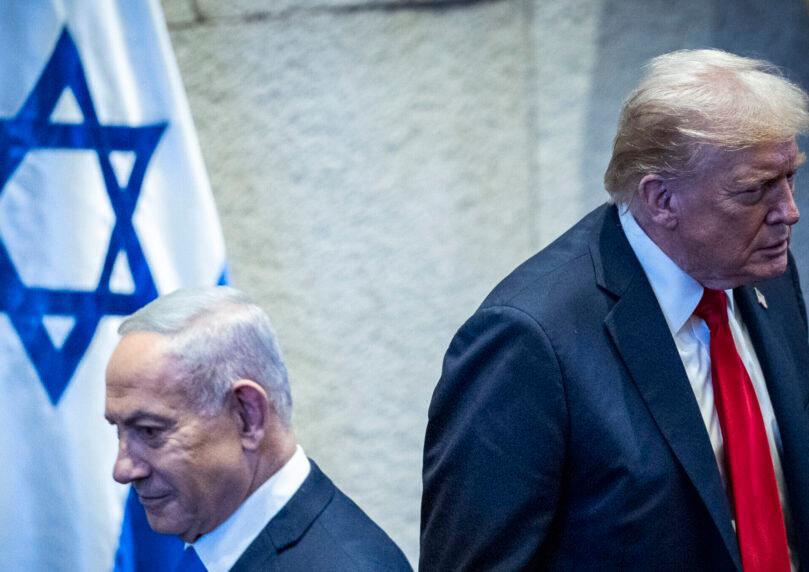

The wave of targeted leaks and reports about heated phone calls between President Donald Trump and Prime Minister Benjamin Netanyahu—depicting a deep rift over Iran policy—were actually part of a calculated strategic deception designed to keep Tehran’s leadership in a state of complete uncertainty, according to Kobi Michael, a senior researcher at the Institute for National Security Studies (INSS) and the Misgav Institute, in an interview with Fox News.
The storm began with an Axios report claiming an especially difficult phone call between Trump and Netanyahu over a renewed American proposal sent to Iran through Pakistan. According to the report, Netanyahu forcefully rejected the American framework and demanded renewed military action to destroy the regime’s infrastructure in Tehran, with an American source quoted as saying Netanyahu’s “hair was on fire” with rage during the exchange.
Meanwhile, additional reports suggested Israeli officials were completely shut out of contacts between Washington and Tehran, after Netanyahu’s pre-war demand for a joint military campaign to topple the Iranian regime never materialized.
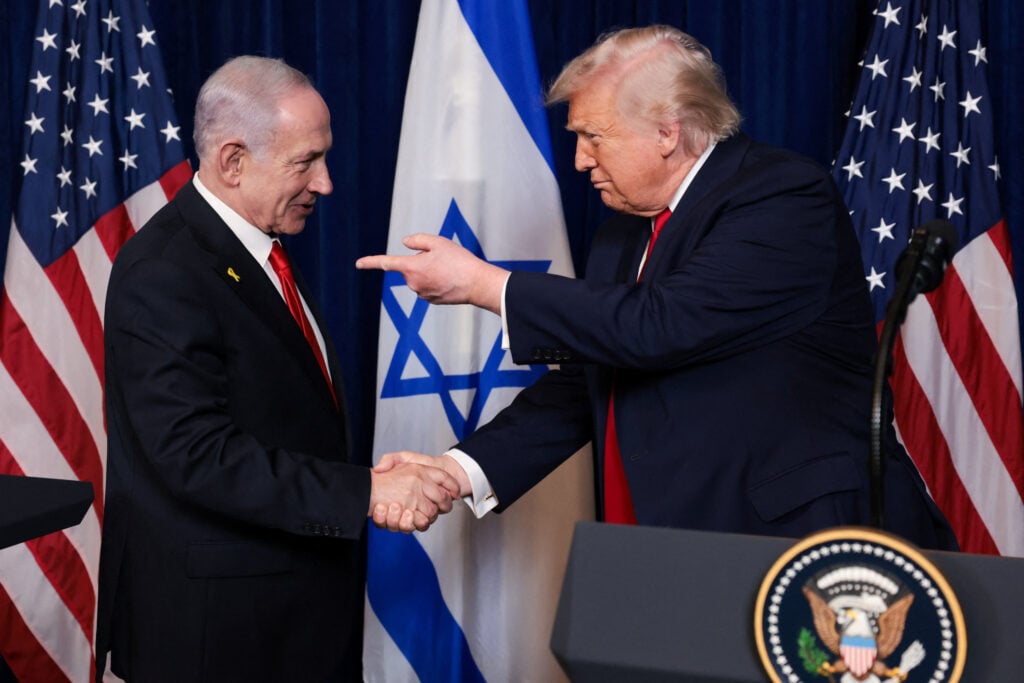
However, Michael clarifies this was a brilliant tactical deception: “Neither President Trump nor Prime Minister Netanyahu has any interest in a real crisis. By leaking the story about an alleged serious crisis between them, the Iranians may find themselves completely surprised by the timing of the next military strike.
“The leak created a sense of disagreement between the two leaders and positioned Trump as the leader giving diplomacy another chance, despite heavy pressure from Netanyahu. Trump understands very well who the Iranians are.”
The final stage of the deception was completed after another phone call defined as the “synchronization phase,” during which Trump gave explicit and unequivocal assurances to the prime minister. Trump made clear to Netanyahu that any final agreement signed with Iran would include a non-negotiable condition of complete and total dismantlement of Tehran’s nuclear program. Additionally, the American president reaffirmed Israel’s full right to defend itself against threats on all fronts, including launching a campaign or military action in Lebanon.
Following the call, Netanyahu broke his silence and published an official statement on X, designed to project complete solidarity with the White House and send a deterrent message to Tehran: “The partnership between us and our two countries has been proven on the battlefield and has never been stronger. My policy, like that of President Trump, remains unchanged: Iran will not have nuclear weapons.”
Simultaneously with the security coordination, the United States is carefully updating Israel on progress in diplomatic contacts. According to an official statement, the contacts focus on formulating a memorandum of understanding to reopen the Strait of Hormuz and enter negotiations toward a final agreement on remaining points of dispute. Netanyahu thanked Trump for “his extraordinary commitment to Israel’s security.”
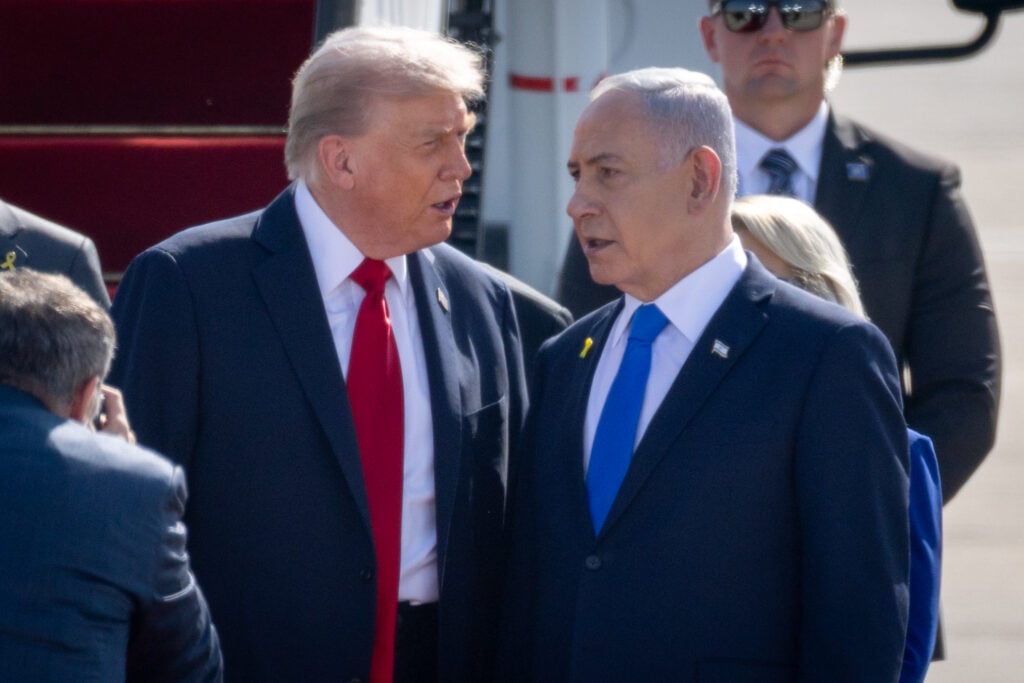
Michael explains that the publication was the closing act of the information operation: “Netanyahu’s last post about his call with Trump can be understood as the absolute closure of this deception event, and a response to all the accusations about disconnect. This move was designed to prepare the Israeli public for the idea that everything is completely coordinated with the United States, and that diplomatic developments will ultimately serve Israeli interests.”
Nevertheless, Michael notes that despite the appearance of coordination, some skepticism remains in Jerusalem about whether it will be possible to bridge the substantive gaps between the United States and Iran, or whether “Trump will ultimately accept the Iranian position.”
What emerges is that Netanyahu and Trump used media leaks as an operational weapon in every sense. Presenting a false picture of the United States restraining Netanyahu and seeking a Pakistani compromise path was designed to make Iran’s leadership believe it had diplomatic time and that the Western front was divided. Revealing the full coordination proves that in practice, the infrastructure for a military strike or an Iranian surrender agreement was built jointly—putting Iran at an intelligence disadvantage and increasing the likelihood of operational surprise on the ground.