


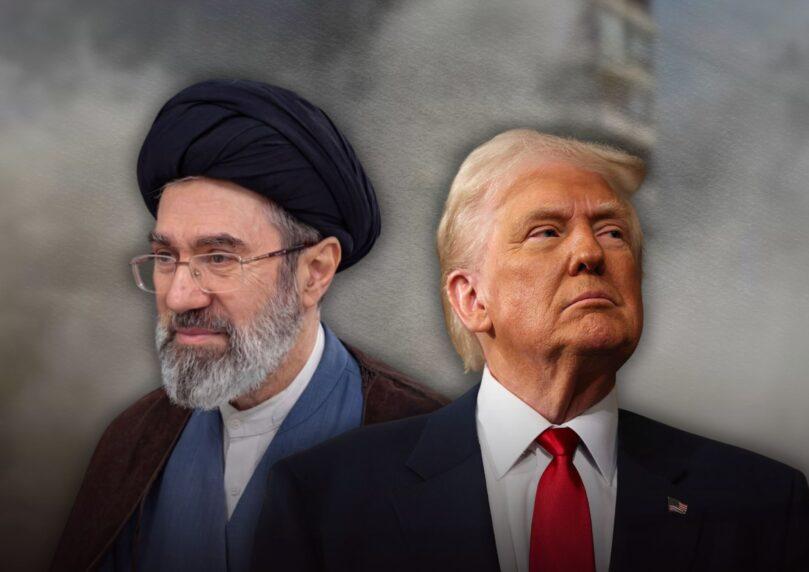

Fox News has revealed new details about an interim agreement taking shape between the United States and Iran as negotiations between the two sides continue. According to the report, Iran will receive major relief and be able to resume oil sales and access billions of dollars in frozen funds.
A source familiar with the details told Fox News on Sunday that US military forces are expected to remain “near Iran” over the next thirty days. This extended military presence is designed to send a message to Tehran’s leadership that an American military response remains a real option on the table if nuclear issues aren’t resolved, or if Iran chooses to violate the terms of the emerging interim agreement.
In exchange for security commitments and progress in negotiations—expected to continue through Sunday—Iran is set to receive significant economic relief. According to the report, the proposed deal stipulates that Iran will get formal exemption from international sanctions imposed on its oil industry. In addition, the emerging agreement will allow Iran to release frozen assets and funds worth billions of dollars that have been blocked until now in various accounts around the world.

The nuclear issue remains the toughest dispute: The Pakistani framework stipulates that discussions on the nuclear project will be deferred collectively to the second phase of dialogue, but the New York Times reports from American sources that the heart of the agreement from Washington’s perspective is an Iranian commitment to give up now a stockpile of about 970 pounds of uranium enriched to the high level of 60%, with the US threatening to withdraw from talks and resume military operations without this agreement.
Against the American success narrative, Iran’s official news agency Fars published an aggressive statement from a knowledgeable source, clarifying that Iran does not accept Trump’s conditions. According to the Iranian version, the Strait of Hormuz will remain under Tehran’s full sovereignty and control, including exclusive authority to determine routes, schedules and issue shipping permits, emphasizing that their agreement restored traffic volume to pre-war levels but does not mean a return to the previous status quo.
Regarding the nuclear issue, Iran clarified that the regime has not committed to Trump’s demands and that the subject was not discussed at all at the current stage—proof that Tehran is trying to turn the naval blockade into a permanent bargaining chip through which it can squeeze the West and receive economic relief without providing real concessions on the ground.