



This story was adapted from reporting by Eliya Aviv, Channel 14’s Judea and Samaria analyst.
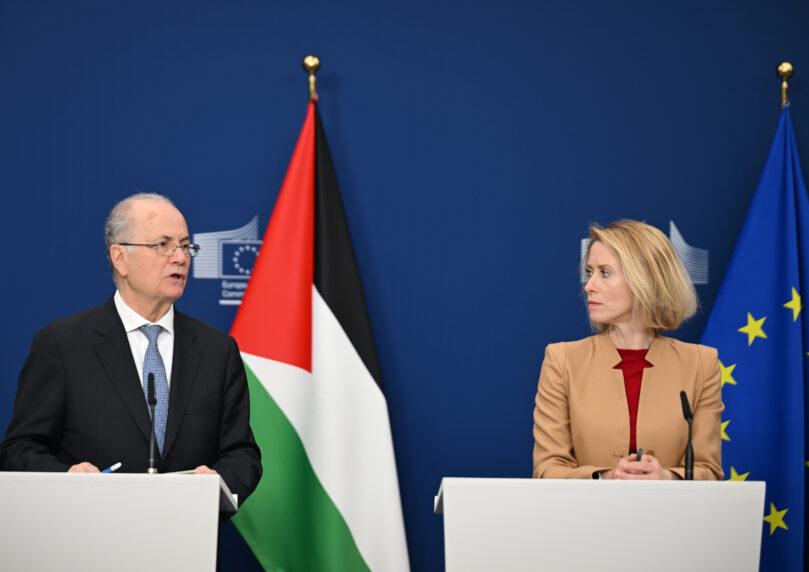
Eleven Western governments and the European Union’s top diplomat published a blistering joint statement on the first day of the Jewish holiday of Shavuot, condemning Israeli plans for the E1 corridor east of Jerusalem and warning Israeli construction firms against bidding for tenders in the area. The statement goes beyond standard diplomatic condemnation. It puts Israeli contractors directly in the crosshairs, signaling that firms bidding on E1 tenders may face sanctions from the signatory states.
The signatories are the United Kingdom, France, Germany, Italy, Canada, Australia, New Zealand, Norway, Spain, Belgium, and the Netherlands, almost all of whom are headed by left-wing governments, alongside EU High Representative Kaja Kallas. They declare E1 development a “serious breach of international law” that would “divide the ‘West Bank’ in two,” and instructed businesses to weigh “legal and reputational consequences” before participating in “settlement” construction.
The statement also perpetuates a dangerous blood libel, publishing “Settler violence is at unprecedented levels,” despite recent data on crime published by the Israel Police that places Judea and Samaria well below the country’s average crime rate, ranking it as one of the most secure civilian areas in Israel. In the latest statement against E1, the enemies of Israel continue to characterize Judea and Samaria as a region defined by widespread ‘settler’ violence in an attempt to justify their own antisemitism and actions that aim to destroy the State of Israel on behalf of Islamists.
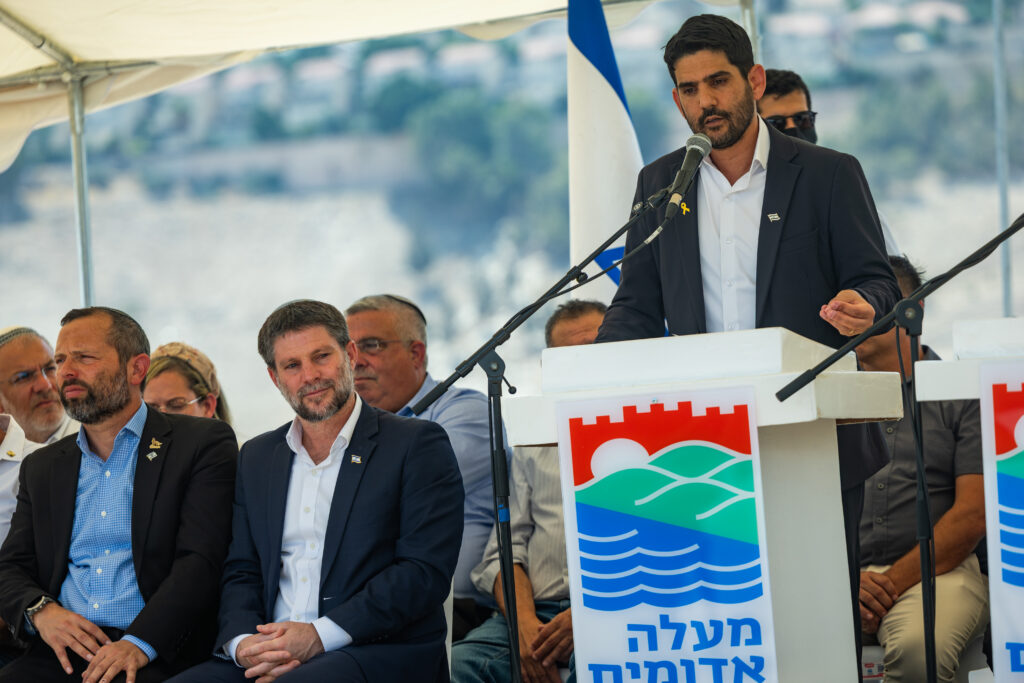

The mayor of Maale Adumim (less than 5 miles east of Jerusalem), Guy Yifrach, responded within hours, saying “Maale Adumim is not a temporary city. Jerusalem is not up for debate. The Mevasseret Adumim neighborhood, E1, will be built soon,” he wrote.
Yifrach predicted that dozens of Zionist construction firms would submit bids regardless of European pressure, “and perhaps precisely because of the threat.” He framed the European position as cowardly capitulation to domestic electorates at the expense of strategic clarity, and said history would judge European leaders for their choices, when liberal democracies came under threat.
The strategic logic Yifrach invoked has guided every Israeli prime minister since Yitzhak Rabin. A territorial connection between Maale Adumim and Jerusalem is treated in Israeli defense doctrine as decisive, with planners consistently rejecting a north-to-south ‘Palestinian’ contiguity that would sever Jerusalem from its eastern suburbs.
Yifrach said he led the historic cabinet decision authorizing the Fabric of Life road alongside the defense minister, and that the road will preserve full ‘Palestinian’ freedom of movement between northern and southern Judea and Samaria once construction proceeds. Critics, he said, are operating “either from ignorance in the best case or antisemitism in the worst.”
Eliya Aviv characterized the European action as an escalation aimed squarely at Israeli industry, and as foreign meddling in the internal affairs of the State of Israel.
“This is the kind of protection racket that even the most experienced contractors have not encountered before,” Aviv wrote. He noted that the joint statement does not stop at diplomatic disapproval but extends direct warnings to individual firms, putting them on notice for possible sanctions from the signatory states. Aviv also reported that among contractors and community leaders, there is great anger over the crude, heavy-handed interference in the internal affairs of the State of Israel. A source in the construction industry told Channel 14: “This is the crossing of a red line. We have seen political pressure before, but direct threats of sanctions on civilian companies carrying out government policy in their own country?”
The E1 corridor sits between Maale Adumim and Jerusalem and has been the subject of international pressure for two decades. Successive Israeli governments have advanced and frozen the project under varying degrees of external pressure. The current cabinet decision marks the most concrete step toward construction since planning began.