


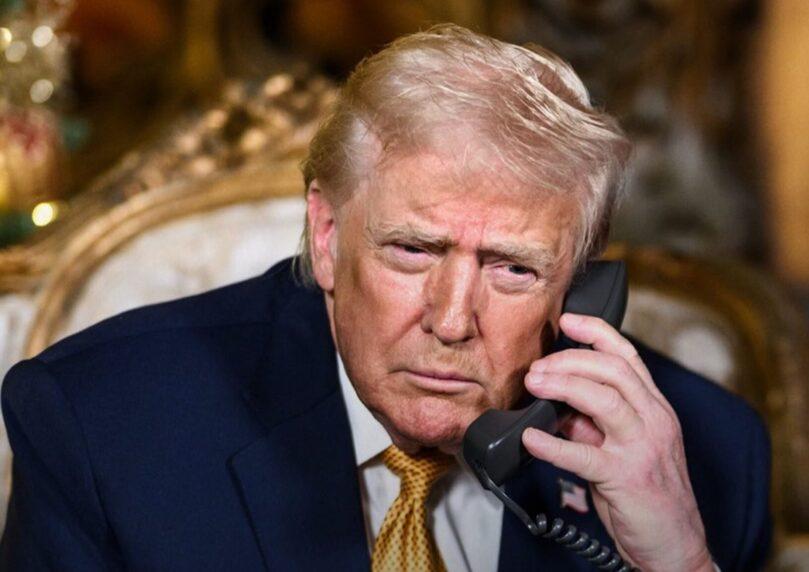

President Donald Trump announced overnight that he made a last-minute decision to halt a massive U.S. military air strike against targets in Iran that was set to launch during the day. The decision came after urgent phone calls and pressure from the leaders of Saudi Arabia, Qatar, and the United Arab Emirates, who asked the president for a two- or three-day extension to exhaust direct diplomatic contacts with Tehran.
Trump agreed to the request after the Gulf states reported that negotiations conducted through Pakistani mediation had become “serious” and were approaching a significant breakthrough. But he made clear that if an acceptable deal isn’t reached, the military is ready to launch an attack on a moment’s notice.
Despite suspending the operation, Trump emphasized that any future agreement must require Iran’s complete dismantling of nuclear capabilities. He noted that if the Gulf states are satisfied with the proposed peace framework, the United States will trust it as well.
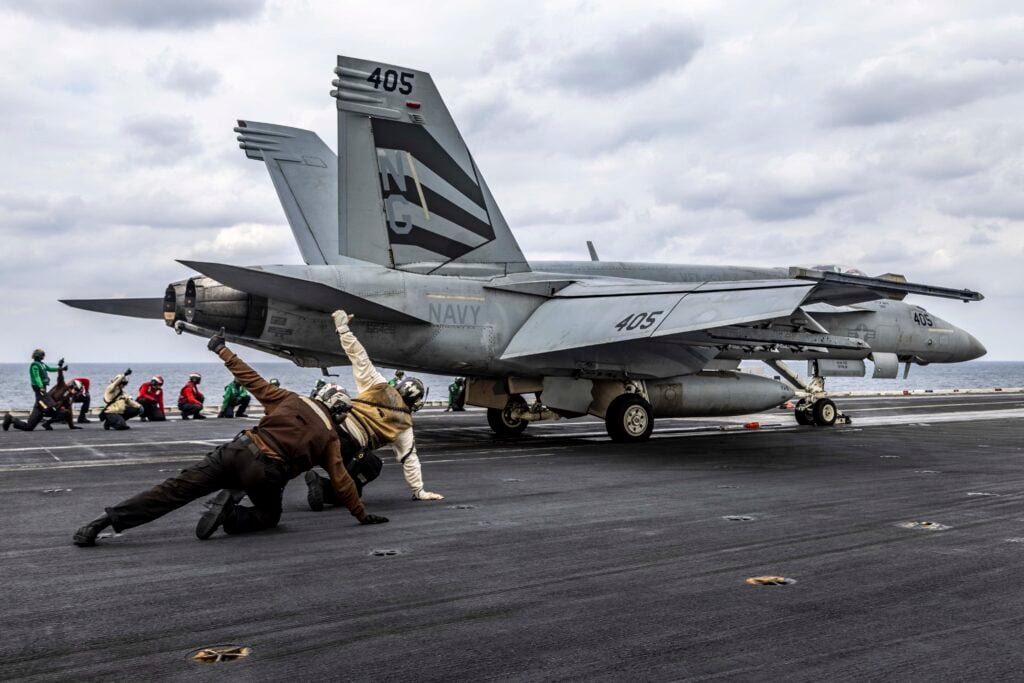
Meanwhile, U.S. Central Command issued a message of high operational readiness. The command’s leader, Admiral Brad Cooper, emphasized in an official video that thousands of American troops are deployed across the Middle East and that “no enemy is too determined or mission too difficult for our forces.”
At the same time, skeptical voices are emerging in Congress. Republican Senator Lindsey Graham, close to the president, said he’s skeptical about Iran’s intentions and made clear that any agreement reached must pass congressional approval, while setting strict conditions including American control of enriched uranium and full opening of the Strait of Hormuz.
The decision to postpone the operation took shape after Trump met with his national security chiefs over the weekend and received a detailed list of strike options. Last night, during a White House event and in official posts, the president revealed the drama’s details and presented the operational orders he transmitted to top command levels.
On Truth Social, Trump wrote: “I have instructed Secretary of War, Pete Hegseth, The Chairman of The Joint Chiefs of Staff, General Daniel Caine, and The United States Military, that we will NOT be doing the scheduled attack of Iran tomorrow, but have further instructed them to be prepared to go forward with a full, large scale assault of Iran, on a moment’s notice, in the event that an acceptable Deal is not reached.”
Trump told White House reporters: “We were ready to carry out a very large strike tomorrow. I postponed it for a short time—hopefully, maybe, forever, but possibly for a short time—because we had very big discussions with Iran, and we’ll see where they lead. I was asked by Saudi Arabia, Qatar, the United Arab Emirates and others if we could postpone it for two-three days, a short period, because they think they’re very close to signing a deal. If we can do this without bombing the shape out of them, I’d be very happy.”

On the Iranian side, a combative and defiant line is maintained. The commander of the “Khatam al-Anbiya” central headquarters in Tehran, which serves as the supreme operational command center of Iran’s armed forces, issued a sharp counter-warning: “Iran’s military forces are ready and stronger than ever and are ‘with their hand on the trigger.’ We warn the United States and its allies against strategic miscalculation. Any further mistake will be met with a response that will be far beyond all previous confrontations.”
Alongside the military threats, Iranian state television broadcast segments showing news anchors training with AK-47s during live broadcasts as part of a national volunteer campaign, with some aiming and firing at a UAE flag—the country that recently bore the brunt of Iranian drone attacks, including hits on an energy facility and a nuclear power plant on its territory.
Republican senators expressed a firm position demanding close oversight of the moves. The Republican majority in the Senate wrote on X that “the Obama and Biden administrations chose to appease Iran, giving it billions in sanctions relief while allowing its nuclear infrastructure to advance without oversight. President Trump destroyed their military and is using maximum economic pressure. Peace requires strength.”
As the political drama continues, Israel’s ambassador to the United States, Yechiel Leiter, sharply attacked the left-wing lobby J Street for its call to impose a weapons embargo and restrictions on American aid to Israel: “The worst thing about J Street is their two-facedness. How can you be pro-Israel and push for a weapons embargo on a country fighting a war on seven fronts against Iran’s proxies? If they said they were pro-‘Palestinian’, I’d have no problem meeting with them, I meet with pro-‘Palestinian’ groups. This is a cancer within the Jewish community.”
The current strike suspension reflects the trap in which the American administration finds itself, recalling the sequence of events from April 21, when Trump announced extending the ceasefire at Pakistan’s request, which asked for time to wait for a unified proposal from Tehran’s divided government. But since then, the American president has expressed growing frustration with the slow pace of talks.
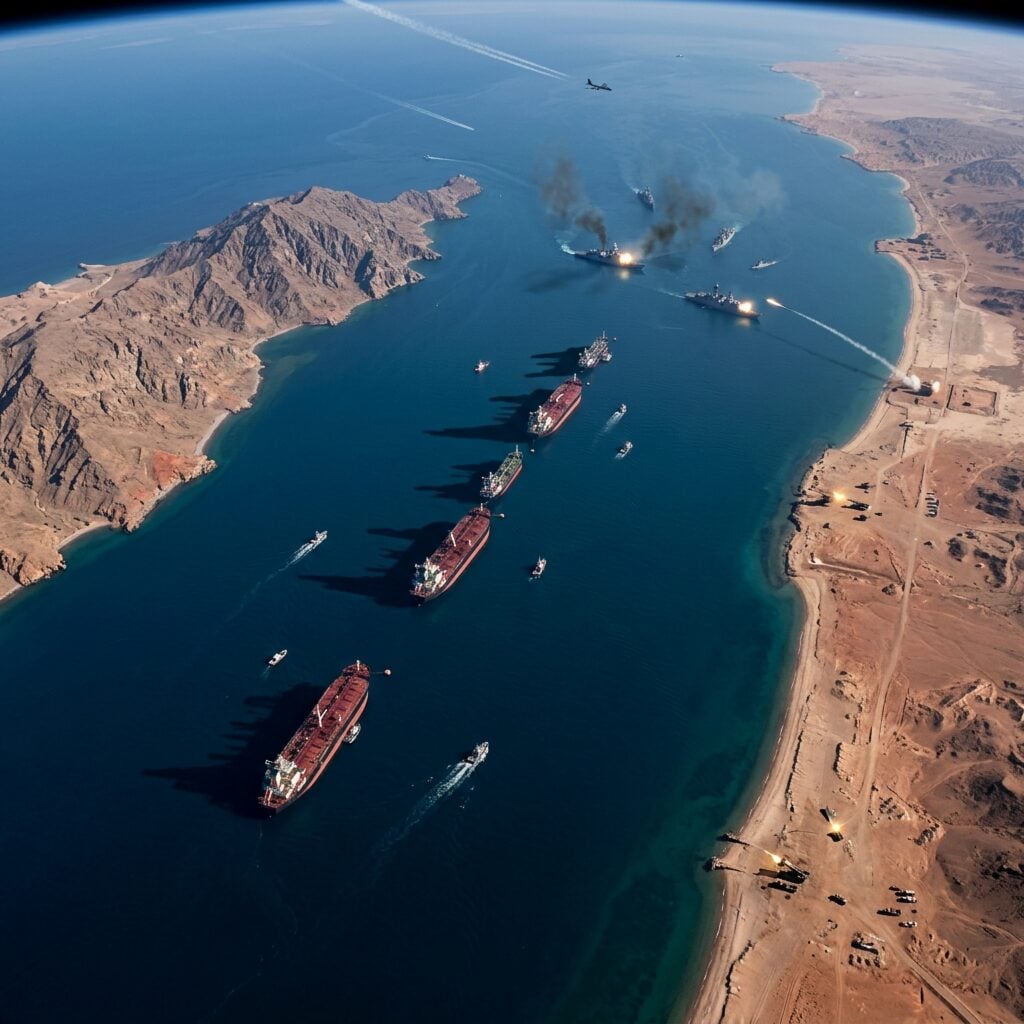
Sources involved in the details reported that the latest proposal Iran transmitted through Pakistani mediators did not include significant concessions on core issues, primarily the demand to stop enriching nuclear materials and hand over the stockpile of uranium enriched to near-military levels.
Meanwhile, internal pressure within the United States is mounting. The war—now in its third month—has led to a sharp spike in global fuel prices and a significant drop in President Trump’s public approval ratings regarding economic management.
The significance of Trump’s decision is giving the diplomatic track one absolutely final chance, while shifting the weight and responsibility to the Gulf states. The joint appeal from Saudi Arabia, Qatar, and the Emirates is worth noting. It should be noted that the president’s announcement of postponing the strike may be part of battle fog dispersal, as well as psychological warfare.
The current suspension places Tehran before a critical choice: exploit the narrow time window of the coming days to present a tangible compromise on the nuclear issue and the Strait of Hormuz, or face a combined American-Israeli attack of extensive scope, whose plans have already been approved and are awaiting an immediate activation order.