




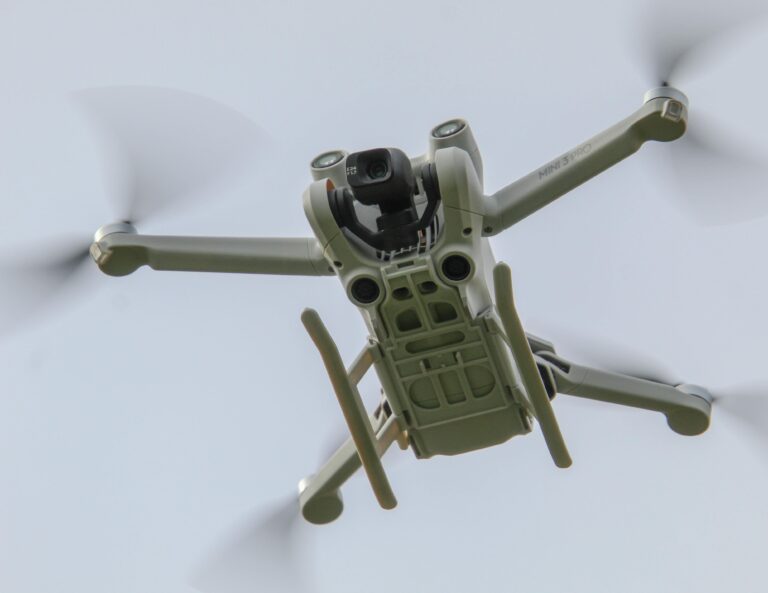
A highly unusual security and safety incident in the sensitive energy network of the United Arab Emirates: The competent authorities in the Emirate of Abu Dhabi dealt today (Sunday) with a fire that broke out in an electricity generator located outside the internal operational perimeter of the “Barakah” nuclear power plant in the Al-Dhafra region. According to official reports, the blaze was caused by a direct hit from an unmanned aerial vehicle directed at the complex; however, local emergency frameworks managed to contain the incident quickly without any casualties being recorded.


 4+
The emergency services and competent authorities in the Emirate of Abu Dhabi treated a fire today that broke out in an external power generator in the Al-Dhafra region, which was caused by a targeted drone attack outside the internal complex of the “Barakah” nuclear energy station. The statement from the authorities indicates that there were no casualties in the incident, and no impact on the radiological safety levels of the sensitive facility was identified.
Concurrently, the Federal Authority for Nuclear Regulation of the United Arab Emirates issued an urgent clarification stating that the fire did not affect the integrity of the reactor or the readiness of its foundational systems, and that all production stations are operating in an orderly and normal manner, while explicitly calling on the public not to spread baseless rumors.
The attack, which was aimed toward the perimeter of the United Arab Emirates’ large nuclear energy facility in the Al-Dhafra region, immediately activated the country’s strictest emergency protocols. Fire and rescue forces, in cooperation with Abu Dhabi’s security apparatuses, managed to gain control over the flames that broke out in the external electrical generator and prevent them from spreading.
 4+
Official authorities emphasized that the drone’s impact occurred outside the “inner secure axis” of the reactor, which helped prevent a direct hit to the central energy facilities and prevented injuries among the workers at the site.
Following the natural concern regarding damage to atomic facilities, regulatory authorities rushed to reassure the public and international markets: “The central aspect emphasized by professional entities is that the fire did not cause any damage or impact on the radiological safety and radiation protection levels in the area, and all preventative measures were fully taken in order to guarantee the continuation of this level of security.”
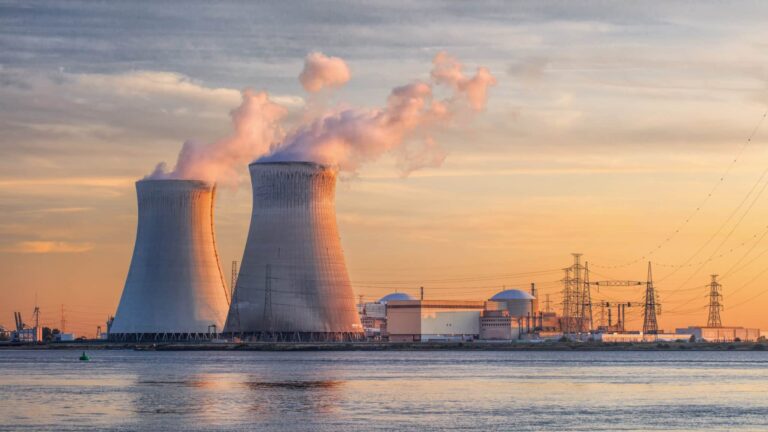
The “Barakah” nuclear power plant is considered the flagship project of the United Arab Emirates in the field of clean energy and constitutes the first commercial nuclear reactor in the Arab world. The facility, located on the shores of the Persian Gulf, is designed to provide substantial percentages of the young country’s electricity consumption and reduce its historical dependence on natural gas and oil.
 4+
Due to its immense strategic and economic importance, the site is protected by advanced air defense systems, as energy infrastructures in the Gulf have become a preferred target in recent years for drone and missile attacks by hostile actors in the region. Within the framework of the Abraham Accords and against the backdrop of joint defense efforts against the Iranian threat, Israel provided the United Arab Emirates with highly advanced air defense systems during the days of fighting. Among the prominent systems that were transferred and deployed on the country’s soil, one can note batteries of the “Iron Dome” system operating via Israeli operating teams stationed on site. Alongside the innovative “Iron Beam” system, which is based on laser technology and intended for the efficient interception of drones and missiles.
 4+
In addition, the Emirates were equipped with advanced drone identification systems, including the Spectro system manufactured by the “Elbit” company, which allow for the early detection and neutralization of aerial threats before their arrival at the target. The dramatic escalation in security and military cooperation between the countries against the Iranian axis received unprecedented expression in direct offensive activity as well. As reported, among others, in the “Wall Street Journal” newspaper, the United Arab Emirates carried out a series of secret attacks on strategic targets inside Iranian territory, in direct response to the drone and missile attacks launched toward its territory.
 4+
The most prominent attack was directed against Lavan Island – a strategic and central oil site of the Iranian economy and energy – a move that illustrates the absolute change in the balance of deterrence in the Persian Gulf and Abu Dhabi’s willingness to exact a direct price from Tehran.