


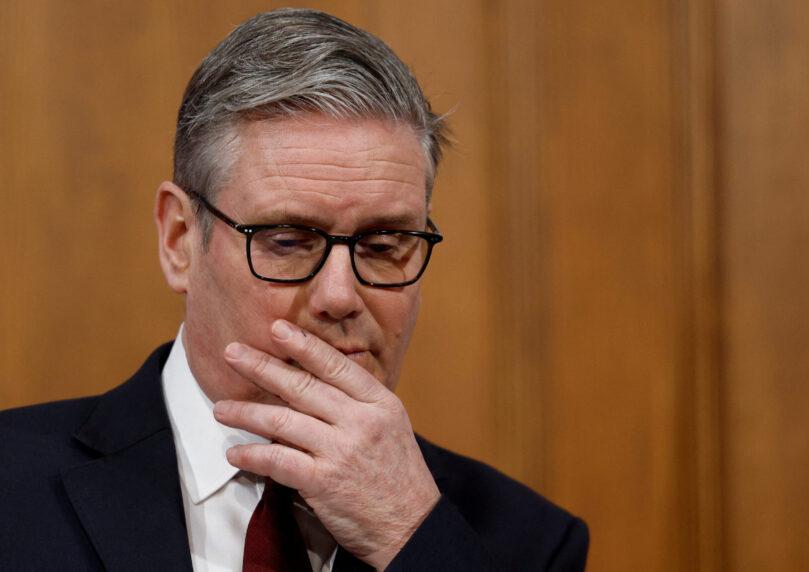

British Prime Minister Sir Keir Starmer is fighting for his political survival after a wave of calls for his resignation swept through the ruling party. According to reports, as of Tuesday morning nearly 100 Labour MPs, including junior ministers, have called on him to leave office immediately.
Sources in the local government say senior cabinet figures, including Home Secretary Shabana Mahmood, are privately pressing Starmer to announce his resignation. The collapse comes after local elections held last weekend showed a dramatic drop in support for the party. The beneficiary of the trend is Nigel Farage, whose Reform UK party came in first place in some regions.
Despite the pressure, Starmer has stated he intends to continue in his role. That position makes replacing him technically complex: triggering an internal leadership election requires support from 81 MPs. If Starmer decides to run again, he would automatically be placed on the ballot against other candidates in a process expected to take months and involve some 300,000 party members.
Several names are mentioned among potential candidates to succeed him, but all have significant drawbacks that make broad consensus difficult: Andy Burnham—the Mayor of Manchester, considered a popular candidate but not a sitting MP. Angela Rayner—the former Deputy Prime Minister from the left wing, is under tax investigation. Ed Miliband—the Energy Secretary who enjoys party support, but already lost a general election as leader in 2015. Wes Streeting—the Health Secretary, who has support from the party’s right wing but faces fierce opposition from the left.
The political instability is directly affecting the British economy. Government bond yields have jumped to their highest level in 30 years, amid investor fears that Starmer’s replacement will increase the country’s borrowing to deal with the crisis.