


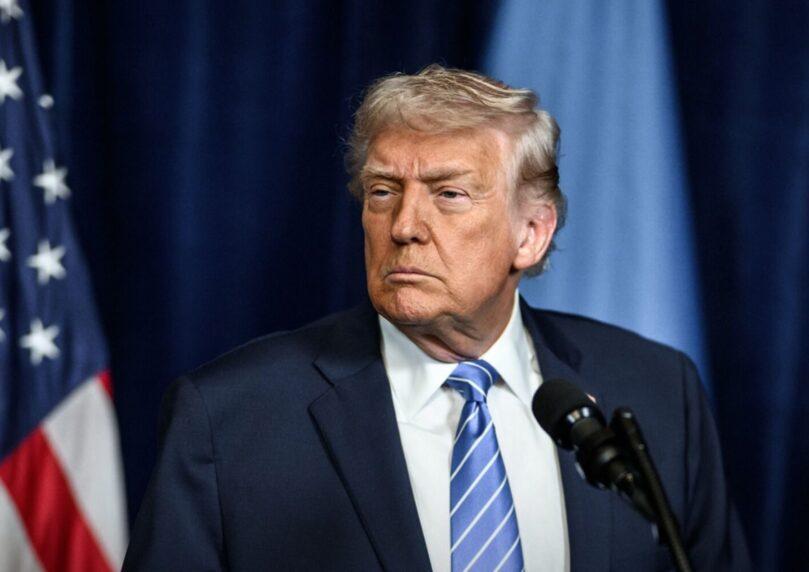

Ten weeks into the war with Iran, the battle has shifted from the combat zone to the Attorney General’s office. President Donald Trump is pressing the Justice Department to speed up investigations into leakers, after privately complaining to Acting Attorney General Todd Blanche about “damage to national security.” Blanche, only recently appointed to the role, has promised to obtain subpoenas targeting communications records of reporters who published sensitive stories about war operations and attempts to rescue pilots in enemy territory, the Wall Street Journal reported Tuesday.
Trump’s fury focused on articles detailing how the decision to go to war was made. During a meeting with Blanche, Trump handed over a stack of articles with a sticky note bearing the word “treason.” The president addressed the issue at a press conference and made his position clear: “We’re going to go to the media company that published this and tell them: ‘National security; hand over the information or you’re going to jail.'”
Acting Attorney General Todd Blanche backed the president’s words: “The Justice Department will always investigate classified leaks that put the lives of our soldiers or agents at risk. If that means sending a subpoena to a reporter, that’s exactly what we need to do and that’s exactly what we will do.”
One publication that drew the president’s wrath was an April 7 New York Times article describing how Israeli Prime Minister Benjamin Netanyahu convinced Trump to bomb Iran. The report included details from the classified Situation Room and described American intelligence officials’ skepticism about the move.
Meanwhile, the Wall Street Journal received grand jury subpoenas regarding a February 23 article reporting that the Chairman of the Joint Chiefs of Staff warned the president about the risks of a prolonged military campaign. Ashok Sinha, a spokesman for Dow Jones, which publishes the Journal, responded: “The government’s subpoenas are an attack on constitutionally protected newsgathering. We will vigorously oppose this attempt to stifle and intimidate vital reporting.”
The war with Iran, now under a shaky ceasefire, has been accompanied by a wave of leaks from within the administration and the Pentagon. The situation worsened in early April after an American aircraft was shot down over Iran and a major rescue operation was launched. Leaks about the operation’s details were viewed by the administration as immediately endangering lives.
On February 23, there were reports in the WSJ, Axios, and the Washington Post about Pentagon warnings before the war. Several days later, Israel and the U.S. launched the war against Iran. In early March, the first subpoenas for WSJ reporters’ records began arriving.
About a month later, Trump fired Attorney General Pam Bondi and appointed Todd Blanche. A day later, an American aircraft was shot down over Iran, and Trump vowed to hunt down those who leaked information about the rescue operation. The Justice Department is tightening pressure on media outlets and changing historic investigative procedures.
Todd Blanche’s moves mark a break from a long-standing Justice Department tradition under which subpoenas against journalists are used only as a last resort. Blanche argues that the president has the right and duty to influence criminal investigations, especially when national security is involved.
Legal experts warn, however, that direct intrusion into reporters’ relationships with their sources damages the public’s ability to receive information about government actions. For Trump, this is a battle over his sovereignty and the ability to conduct war and diplomacy without sensitive details from closed-door meetings being exposed to the public and to countries like ‘Palestine’ and Iran.