


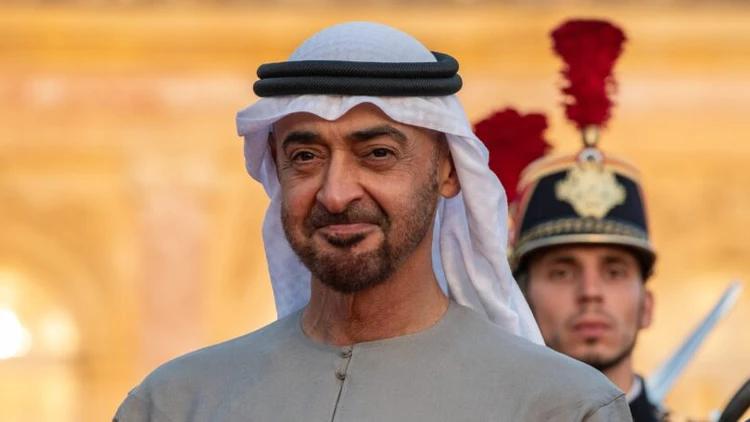

Anwar Gargash, a diplomatic advisor to the president of the United Arab Emirates, issued a stark warning yesterday (Friday) aimed directly at the regime in Tehran. His words come at a critical time, a day after the US Treasury Department issued an official warning to global shipping companies: anyone who pays Iran transit fees for crossing the Strait of Hormuz could find themselves under strict sanctions.
In his post, Gargash drew a clear analogy between international law and Iranian attempts to establish facts on the ground, emphasizing that the collective international will and the provisions of international law are the sole guarantors of freedom of navigation in the Strait.
The vital passage serves regional stability and the global economy, especially in what Gargash defined as a “post-war phase.” The senior diplomat stated in no uncertain terms that “no unilateral Iranian arrangement can be trusted or relied upon.” Gargash chose harsh words and described Iran’s behavior as “treacherous aggression against all its neighbors.”
The UAE’s statement is not disconnected from the warlike reality in which the Middle East has found itself since the beginning of the year: Since the start of the joint US-Israeli operation, Iran has launched numerous attacks against its neighboring countries in the Middle East, which has led to the destabilization of shipping lanes. The Iranian attempt to collect transit fees in the Strait of Hormuz is perceived by the White House as a blackmail method to finance its terrorist activities, hence the threat of sanctions on shipping companies.
For the UAE, this is a public and unequivocal stand on the side of the U.S. in the economic campaign against Iran. By denying the legitimacy of Iranian transit fees, the Emirates are helping to tighten the stranglehold on Tehran’s sources of funding and making it clear that transit through the Strait of Hormuz must remain under international supervision and rules, not under the “arrangements” of a country that attacks its neighbors.
Earlier this week, in a historic move that is shaking up the global energy market, the United Arab Emirates announced its formal withdrawal from the OPEC cartel, ending decades of membership at the heart of the world’s most powerful oil producer group. The move, which came amid ongoing disputes with Saudi Arabia over production quotas and Abu Dhabi’s ambition to realize massive investments in its energy infrastructure, marks a dramatic shift toward full economic independence.
In the midst of the security crisis in the Gulf and the war in Iran, the Emirates’ choice to “break the rules” is seen as a bold geopolitical statement that leaves the cartel weakened and signals the disintegration of the traditional economic unity of the Gulf states in favor of individual national interests.