



This article was adapted from original English reporting by Arab Affairs Analyst Ahikam Himmelfarb, for Channel 14. The full report is available on Youtube.
Inside Lebanon’s Quiet Shift Toward Peace with Israel
The announcement out of Washington of direct negotiations between Israel and Lebanon, framed around cooperation against the Hezbollah terror group, took much of the world by surprise. For anyone tracking the conversation inside Lebanon itself, the news arrived with a different kind of weight. It did not come from nowhere.
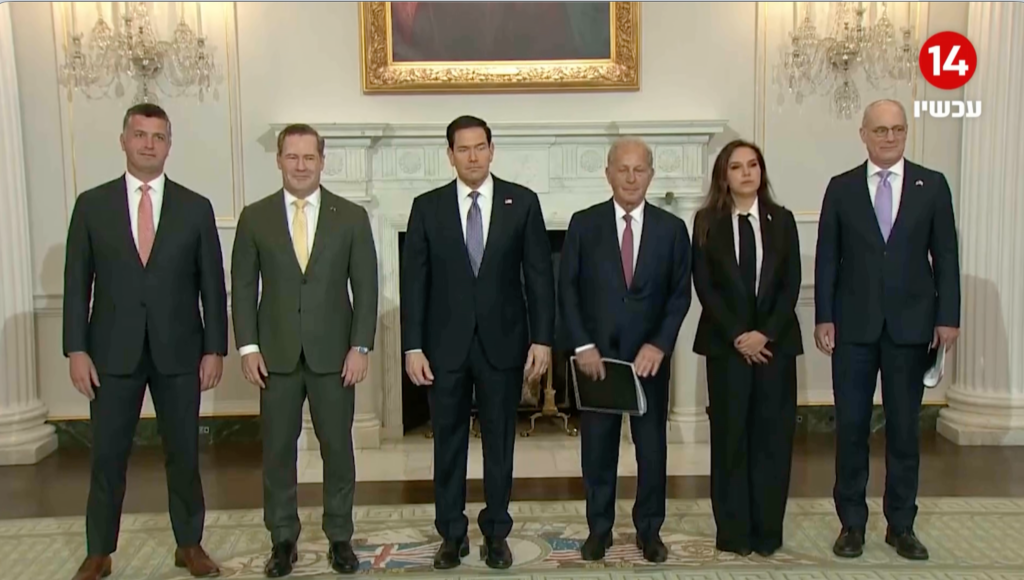
Calls for an arrangement with Israel, and even open talk of peace, have grown louder in Lebanon over recent months. Voices once pushed to the margins of public discourse now appear regularly in cafés, on television, and across social platforms. Citizens, journalists, and politicians are no longer hiding their positions.
“With God’s help, I feel there will be peace,” one Lebanese citizen told Channel 14. Another, asked whether peace was preferable to continued violence, replied simply: “Isn’t that better than violence and war?”
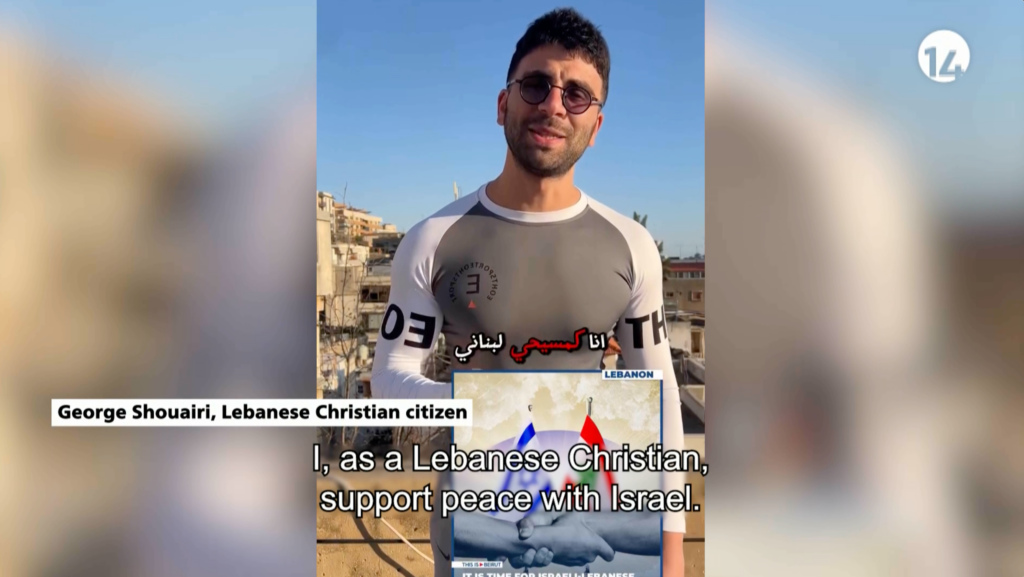
 The shift cuts across professions and generations. “I, as a Lebanese Christian, support peace with Israel,” proclaimed George Shouairi, on camera. “I don’t want Lebanon to be destroyed, I want Lebanon to live in peace. I don’t want Israel to be bombed, I want to visit Israel.”
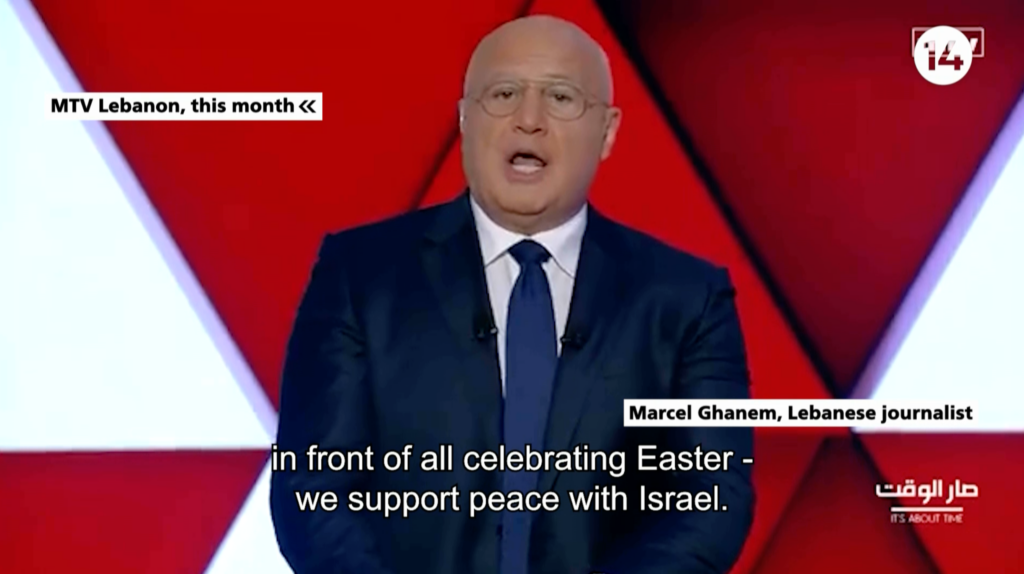
Lebanese journalist Marcel Ghanem, addressing the Easter holiday crowds in a public statement, declared: “Once again, filled with pride, in a loud, very loud voice, with a clear conscience, and with all the strength and courage, in front of all celebrating Easter, we support peace with Israel.”
The Military Backdrop
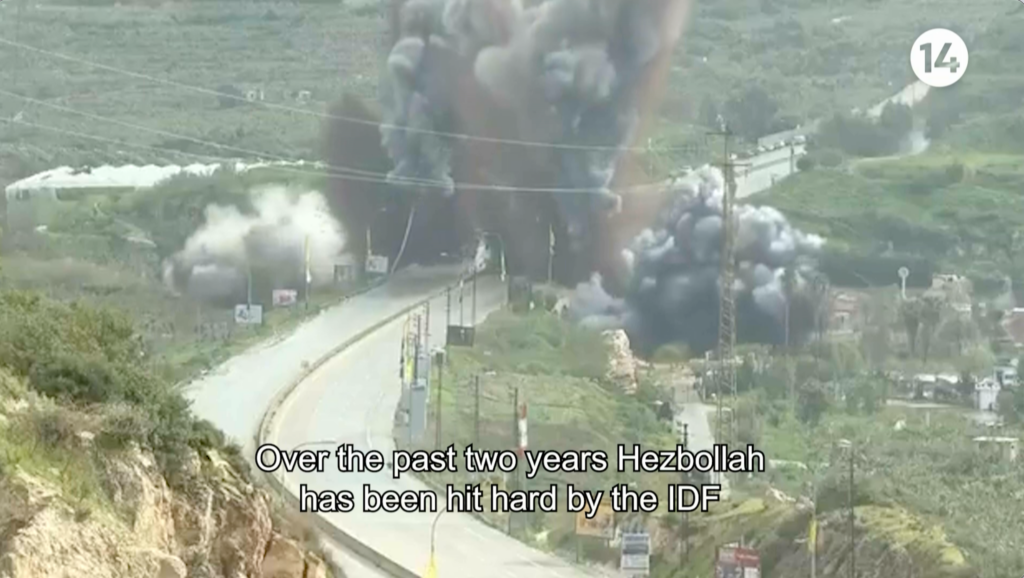
The change in tone is partly a function of facts on the ground. Hezbollah has been hit hard by the IDF over the past two years and significantly weakened, opening space for public opposition that would have been unthinkable in Beirut a few years ago. Mariana El-Khoury, a Lebanese journalist, drew the contrast bluntly on camera: “The Israeli army, the enemy, or the one you (Hezbollah) call the ‘Israeli enemy,’ does not endanger me the way you and your supporters do.”
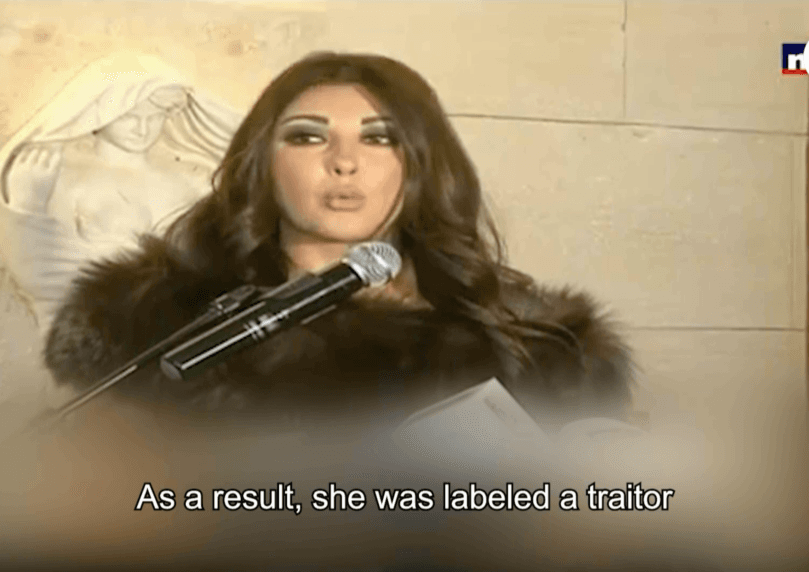
Speaking out against Hezbollah was not always this safe. Maria Maalouf, once one of the most influential journalists in Lebanon, called publicly in 2017 for the IDF to eliminate Hassan Nasrallah. She was branded a traitor, received death threats, and fled to the United States.
She tells Himmelfarb she is skeptical that any lasting agreement is achievable while Hezbollah retains its arsenal. “We hope for peace, peace is necessary and important, it needs to be said,” Maalouf said. “But it is more important that Israel keep making ground achievements against Hezbollah’s infrastructure in southern Lebanon, denying them their influence, and thus they will be weakened.”
A Country Still Divided
The Lebanese voices openly calling for peace are concentrated in the Christian and Sunni communities. Lebanon’s Shiite population, estimated at around two million, remains largely aligned with Hezbollah and resistant to negotiations of any kind.
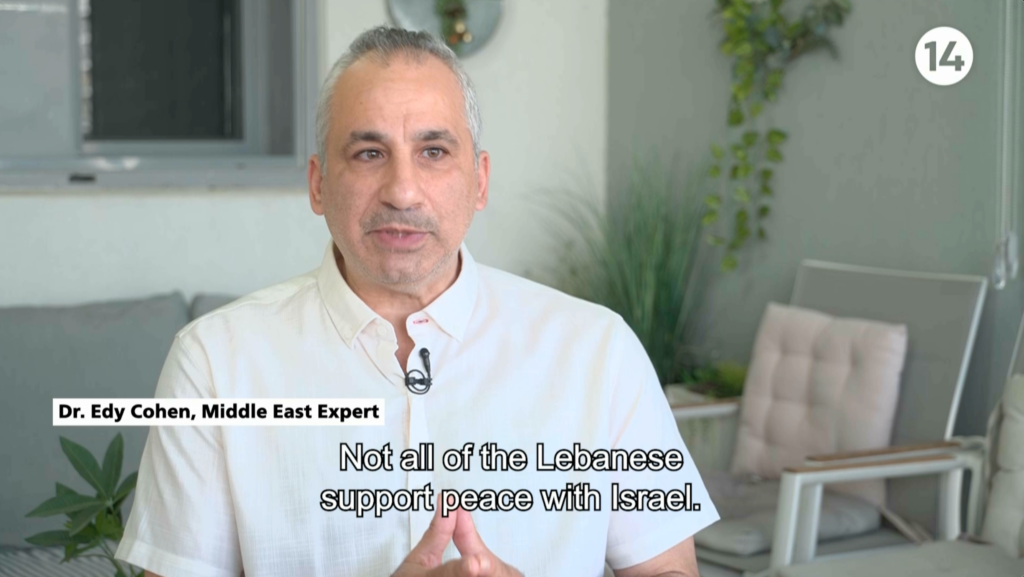
Middle East expert Eddie Cohen, who lived in Lebanon until age eighteen, cautions against confusing emotional momentum with structural readiness. “Not all of the Lebanese support peace with Israel,” Cohen said. “There is hostility, there are wars, there is history, there is vengeance.” Of Lebanon’s Shiite population, he warned that a substantial share continues to “oppose any idea, even, of negotiations with Israel.”
The central point is one of architecture. Agreements, says Himmelfarb, are built on interests. The journalist Maalouf says that the current ceasefire, the deployment of the Lebanese army in the south, and the future dismantlement of Hezbollah’s weapons are the three pillars on which any lasting arrangement would have to rest. “If there is a chance for peace someday, it will be because of these three things,” he said. “Not because of emotional speech, or a sudden initiative.”
What Comes Next
Himmelfarb underscores, the Lebanese state, in its current form, remains too weak to drive a peace agreement on its own, particularly while Hezbollah operates as an armed force inside the country. Hezbollah, however, is no longer the only voice shaping Lebanese public life.
In the land of the cedars, a growing number of Lebanese are saying out loud what they once said only in private: that they want quieter days and peace with Israel.